

The COVID-19 pandemic has permanently linked the issues of COVID and mental health in our collective consciousness. Many are now grappling with the lingering effects of COVID 19 stress, a confusing battle with COVID and brain fog, and persistent feelings of COVID and anxiety. Understanding the profound impact of COVID 19 and mental health is the first, crucial step toward healing. This comprehensive guide is designed to help you navigate these challenges, offering clear explanations and a practical toolkit—from foundational techniques to modern technologies—to help you reclaim your calm and mental clarity.
Table of Contents
ToggleIntroduction: The Long Shadow of COVID-19 on Your Mind
The COVID-19 pandemic was more than a physical health crisis. It left a long shadow on our collective mental well-being. COVID and mental health are now deeply linked in our conversations. Many people are asking: “Why do I still feel so different?”
Indeed, the effects of COVID 19 and mental health struggles are a real and lasting challenge. You might be dealing with persistent COVID 19 stress, a sense of unease, or a frustrating mental cloudiness. The good news? You are not alone in this. This guide is designed to help you understand these feelings and, more importantly, to provide a clear path forward.
Recognizing the connection between COVID and anxiety or COVID and brain fog is the first step toward reclaiming your mental clarity and calm. Let’s begin by understanding exactly what’s happening.
Understanding the Impact: How COVID-19 Affects Your Mind

Is This Normal? How COVID-19 Stress Hijacks Your System
First, let’s be clear: what you’re feeling is a normal reaction to an abnormal situation. COVID 19 stress triggers your body’s primal “fight-or-flight” response. This is useful for short-term danger. However, during the pandemic, this alarm system was constantly on. Consequently, this prolonged state of high alert can lead to exhaustion, irritability, and a sense of constant overwhelm. This is the foundation of many COVID and mental health challenges.
The Anxiety Trap: When COVID Fears Don’t Fade
For many, the initial fear of the virus evolved into a more general sense of anxiety. This link between COVID and anxiety is powerful. Your brain learned to associate the outside world, social gatherings, or even simple cold symptoms with danger. Now, even as the threat lessens, that learned anxiety can remain. It can feel like a trap, making it hard to return to a “normal” life.
Clearing the Fog: The Real Story on COVID and Brain Fog
Perhaps one of the most confusing symptoms is what we call COVID and brain fog. It’s not just “feeling a little tired.” This is a real cognitive effect. People report struggling with memory, finding it hard to focus, and feeling like their thinking is sluggish.
So, what causes it? Research suggests that the virus-induced inflammation can affect brain function. Additionally, the sheer mental load of prolonged COVID 19 stress depletes your cognitive resources. Think of it as your brain’s processing speed being slowed down by the aftermath of the illness and the ongoing mental strain.
Understanding these mechanisms is crucial. It helps you see these symptoms as manageable conditions rather than personal failings.
Brain Under Fire: The Physical Roots of COVID and Brain Fog
So, what exactly is happening inside your brain to cause that feeling of “fog”? It’s not all in your head—it’s in the intricate biology of it. The link between COVID and brain fog has real, physical causes. Let’s break down the key changes.
First, many people don’t realize that the virus can trigger widespread inflammation. Think of this as your body’s alarm system going off everywhere, including in your brain. This “neuroinflammation” can disrupt how brain cells communicate, slowing down your mental processes.
Furthermore, COVID-19 can affect the tiny blood vessels that supply your brain with essential oxygen and nutrients. If this delivery system is compromised, your brain’s energy levels and performance can drop. It’s like working with a weak internet connection; everything buffers more slowly.
Additionally, the virus may disrupt the vital barrier that protects your brain. This can allow inflammatory substances to enter, further interfering with the delicate environment your brain cells need to function at their best.
Finally, let’s not forget the indirect impact. The sheer psychological toll of COVID 19 stress and the link to COVID and anxiety flood your system with stress hormones like cortisol. Over time, this can be toxic to brain cells, particularly in areas responsible for memory and focus, like the hippocampus.
In short, COVID and brain fog aren’t signs of weakness. It’s a typical result of your brain responding to a significant physical and psychological assault. Understanding this is the first step toward targeted recovery.
Foundational Strategies for Your Mental Health Recovery
Now that we understand the “why,” let’s focus on the “how.” How do you rebuild? Managing the effects of COVID and mental health challenges is a proactive journey. The following strategies form a powerful toolkit to help you regain control. Remember, progress, not perfection, is the goal.
Reboot Your Routine: The Ultimate Antidote to COVID 19 Stress
Feeling ungrounded is a common complaint after years of disruption. A predictable routine is your anchor. It directly counters the chaos of COVID 19 stress by restoring a sense of safety and predictability.
Start small. Focus on waking up, eating meals, and going to bed at consistent times. This simple act regulates your body’s internal clock. Consequently, you’ll likely see improvements in your sleep, energy levels, and overall mood. A solid routine is the bedrock upon which you can tackle other COVID and mental health symptoms.
Breathe Your Way to Calm: A Direct Path to Easing COVID and Anxiety
When COVID and anxiety strike, your breathing becomes shallow and rapid. But you can reverse this. Breathing exercises are a direct line to your nervous system, telling it to stand down from high alert.
For the most powerful effect, we recommend Resonance Breathing. This technique, which involves a longer exhale, is scientifically shown to synchronize your heart rate and breathing, maximizing relaxation.
Try this simple technique:
- Find a comfortable seat.
- Inhale gently through your nose for a count of 4.
- Exhale slowly through your mouth or nose for a count of 6.
- Repeat this cycle for 5-10 minutes.
Why does this work so well? The longer you exhale actively, the more you stimulate your vagus nerve, which is your body’s main “brake” on the stress response. It’s a portable, powerful tool you can use anytime to manage moments of panic or worry linked to COVID 19 stress.
Instead of focusing on your chest rising, focus on letting your belly expand gently as you inhale. This ensures you are fully engaging your diaphragm, maximizing oxygen exchange, and powerfully stimulating the vagus nerve. This combination of a slow rhythm and deep, diaphragmatic breathing is a potent one-two punch against COVID and anxiety, helping to calm your body and mind more deeply than chest breathing alone.
Move Your Body, Clear Your Mind: Shaking Off COVID and Brain Fog
If you’re struggling with COVID and brain fog, the best solution might be physical movement. Exercise increases blood flow to the brain, delivering the oxygen and nutrients it needs to heal.
You don’t need to run a marathon. In fact, gentle, consistent movement is often best. A daily 20-minute walk, some light yoga, or swimming can work wonders. Physical activity also releases endorphins, your body’s natural mood lifters, helping to combat the low feelings that often accompany COVID 19 and mental health struggles.
Fuel for Focus: How Nutrition Supports Mental Clarity
Your brain is a high-performance organ that needs the right fuel. A diet rich in processed foods and sugar can worsen inflammation and amplify COVID and brain fog.
Instead, focus on anti-inflammatory foods. Prioritize omega-3s (found in fish and walnuts), antioxidants (found in berries and dark leafy greens), and complex carbohydrates. Staying hydrated is also crucial. Even mild dehydration can significantly impair concentration and cognitive function. Think of eating well as providing the building blocks your brain needs to repair itself.
Modern Tools for Mental Fitness: Taking a Proactive Approach
You’ve mastered the foundations. Now, let’s explore how technology can give you an edge. The connection between COVID and mental health has accelerated the development of amazing tools that put you in the driver’s seat of your own brain. These aren’t magic cures; they are like personal trainers for your mind, giving you real-time feedback and targeted exercises to overcome specific challenges like COVID and anxiety and COVID and brain fog.
Train Your Nervous System: How Biofeedback Tames COVID 19 Stress
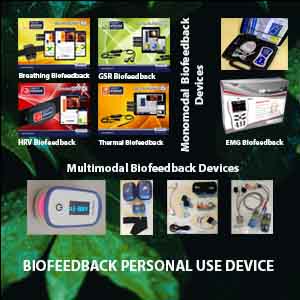
What if you could see your stress levels and learn to lower them on command? That’s the power of biofeedback. It helps you gain conscious control over involuntary functions, making it a powerful ally against the lingering effects of COVID 19 stress.
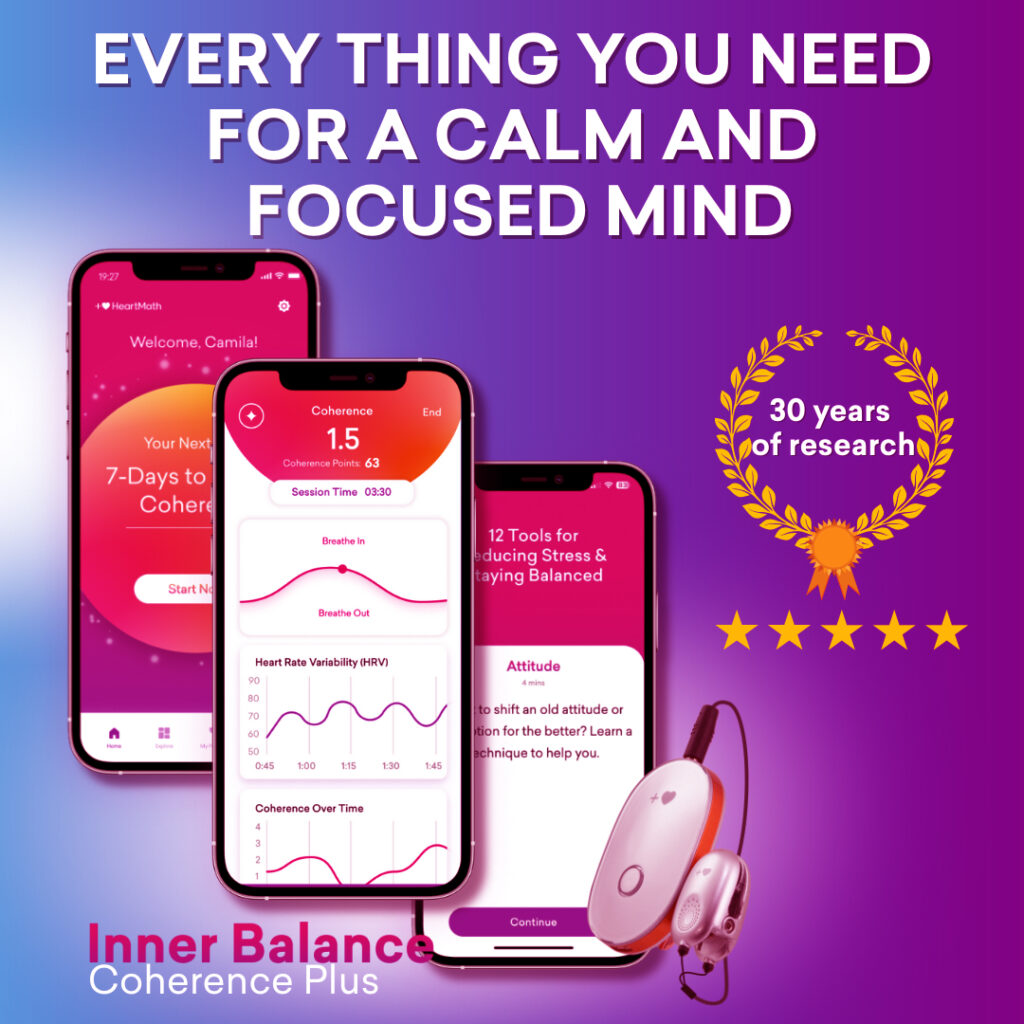
HeartMath Inner Balance for Focus & Calm
This tool focuses on your Heart Rate Variability (HRV)—a key indicator of your nervous system’s flexibility and resilience. Using a simple sensor, you see your heart rhythm in real-time. The app then guides you through breathing exercises to create a smooth, coherent pattern. Why it works for recovery: It directly counters the chaotic heart patterns associated with COVID and anxiety, teaching you to self-generate a state of calm. It’s like a gym for your nervous system, making it more resilient to daily stressors.
Clear the Fog: Cognitive Training to Sharpen Your Mind
Struggling with COVID and brain fog can feel frustrating. Cognitive training software acts like a targeted workout for your brain, helping to rebuild focus, memory, and processing speed.
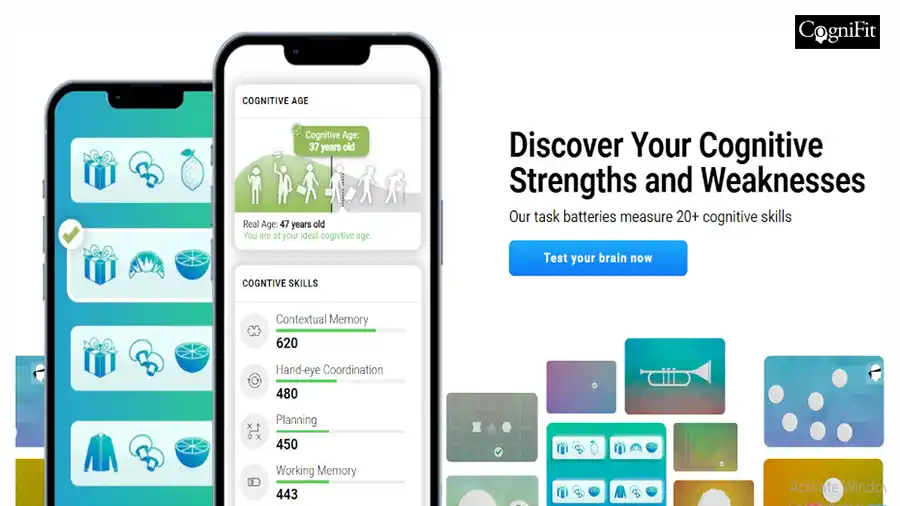
This platform uses scientifically designed brain games to assess and train your core cognitive skills. It personalizes a training program based on your unique weaknesses. Why it works for recovery: It provides a structured, engaging way to directly challenge and improve the specific cognitive functions impacted by COVID and brain fog. You’re not just “waiting for it to get better”—you’re actively rehabilitating your mental clarity.
Build a Focused Brain: Neurofeedback for Mental Clarity
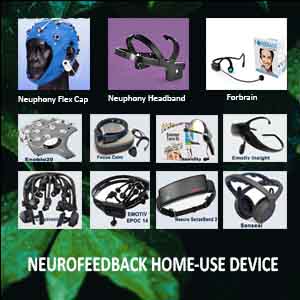
Neurofeedback takes brain training a step further. It teaches you to self-regulate your brainwave patterns, moving from states of distraction to calm focus—a vital skill when dealing with the aftermath of COVID 19 and mental health challenges.
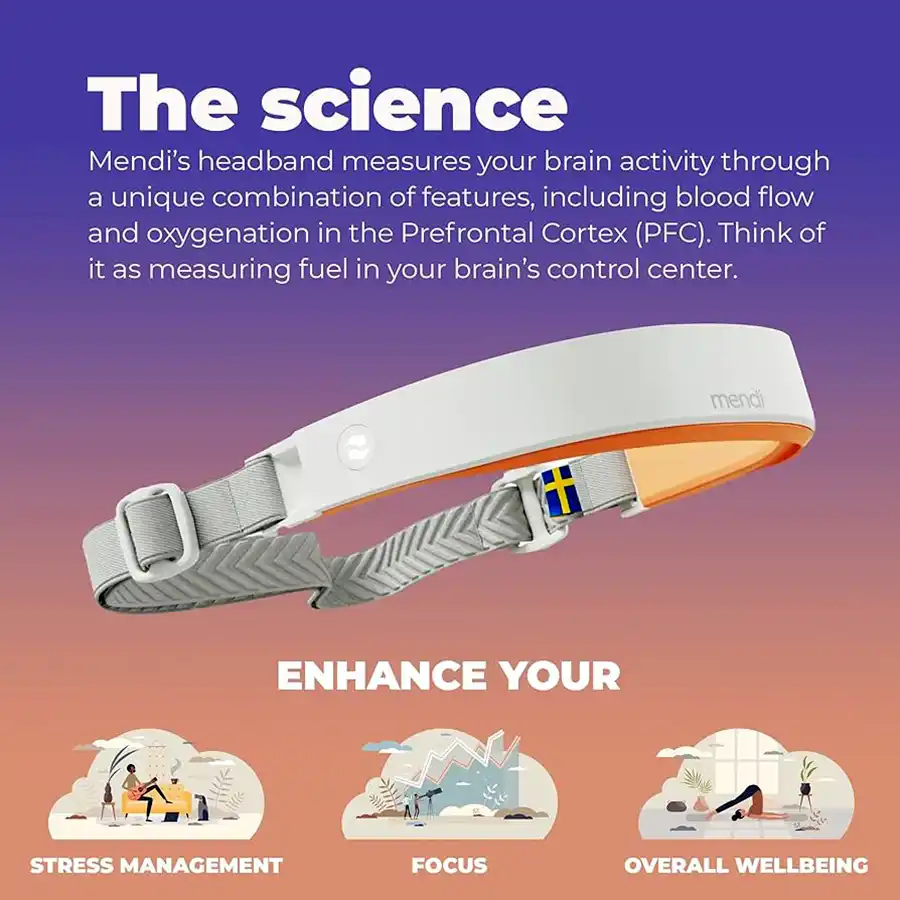
Mendi Neurofeedback Headband for Health
Mendi uses fNIRS technology to measure blood flow in your prefrontal cortex—the brain’s “CEO” for focus and decision-making. Through simple exercises, you learn to increase blood flow to this area, strengthening your focus muscle. Why it works for recovery: It directly addresses the focus and impulsivity issues linked to both COVID and anxiety and COVID and brain fog, giving you a tangible sense of control over your mental state.
See Your Stress: Immersive Tech for Deep Relaxation
What if you could see your brain calming down? This combination of neurofeedback and immersive visuals makes stress management not just effective, but engaging.

Neurovizr Flashing Light Therapy
This system combines an EEG headband with virtual reality. You see your brainwave activity translated into beautiful, calm, interactive landscapes. Your goal is to use your focus or relaxation to influence the visuals. Why it works for recovery: It turns the abstract effort of meditation into a concrete, visual game. This is incredibly powerful for making mindfulness stick, especially for those who find traditional meditation difficult. It’s a direct, engaging way to retrain a brain wired by COVID 19 stress.
Conclusion: Your Path to Post-COVID Mental Wellness
The journey of COVID and mental health is deeply personal, but you don’t have to walk it alone. We’ve covered a lot of ground—from understanding the science behind COVID and brain fog to building resilience against COVID 19 stress with both foundational practices and cutting-edge technology.
Remember, recovery is not about erasing the past; instead, it is about building a new and stronger foundation. To begin, try one simple breathing exercise. Then, take a short walk. After that, explore one helpful tool. Each small action adds up, and every step forward becomes a meaningful victory.
Moreover, your mental well-being is your greatest asset. By taking proactive steps today, you are not only moving through recovery but also creating a more resilient, focused mind for the future.
FAQ: COVID and Mental Health
The COVID-19 virus can cause physiological changes like inflammation in the brain, and the experience of the pandemic itself created immense psychological stress, grief, and isolation. This combination has led to a widespread increase in anxiety, depression, and cognitive issues like brain fog, making COVID and mental health a critical topic.
For some, COVID and anxiety fade as life normalizes. For others, it can persist for months, especially if it’s linked to Long COVID or pre-existing conditions. The key is not to wait it out indefinitely—using coping strategies like resonance breathing or biofeedback (e.g., HeartMath) can actively help manage and reduce its duration.
Clearing COVID and brain fog often requires a multi-pronged approach:
• Cognitive Training: Use apps like CogniFit for targeted brain exercises.
• Physical Activity: Gentle exercise increases blood flow to the brain.
• Good Nutrition: An anti-inflammatory diet supports brain health.
• Stress Management: Techniques like mindfulness and neurofeedback (e.g., with Mendi) can improve focus by calming an overactive stress response.
Yes, for some individuals. The term “Long COVID” includes lasting mental health effects. The trauma, chronic stress, and physiological impact of the virus can contribute to long-term conditions like anxiety disorders, depression, and post-traumatic stress. This is why addressing COVID 19 and mental health proactively is so important.
Absolutely. Several tools are specifically designed for this:
• For Anxiety: HeartMath for calming the nervous system and Neurovizr for immersive, visual relaxation.
• For Focus: Mendi for neurofeedback training to strengthen your prefrontal cortex and CogniFit for cognitive exercises to sharpen memory and attention.
References
- Mental Health and COVID-19: Early evidence of the pandemic’s impact: Scientific brief, 2 March 2022. World Health Organization (WHO). (2022).
https://www.who.int/publications-detail-redirect/WHO-2019-nCoV-Sci_Brief-Mental_health-2022.1 - Taquet, Maxime et al. 6-month neurological and psychiatric outcomes in 236 379 survivors of COVID-19: a retrospective cohort study using electronic health records. The Lancet Psychiatry, Volume 8, Issue 5, 416 – 427. https://www.thelancet.com/journals/lanpsy/article/PIIS2215-0366(21)00084-5/fulltext
- HeartMath Institute. What is Heart Rate Variability? Research on HRV and stress. https://www.heartmath.org/science/
- Zaccaro, A., et al. (2018). How Breath-Control Can Change Your Life: A Systematic Review on Psycho-Physiological Correlates of Slow Breathing. Front. Hum. Neurosci., 07 September 2018. Sec. Brain Health and Clinical Neuroscience. Volume 12 – 2018. https://doi.org/10.3389/fnhum.2018.00353
- Harvard Health Publishing. (2021). The gut-brain connection. https://www.health.harvard.edu/diseases-and-conditions/the-gut-brain-connection
- Dutra LS, Shigaeff N. Proposed protocol for post-COVID-19 cognitive rehabilitation for attention and memory. Dement Neuropsychol. 2024 May 27;18:e20230109. doi: 10.1590/1980-5764-DN-2023-0109. PMID: 38831970; PMCID: PMC11145952. https://pmc.ncbi.nlm.nih.gov/articles/PMC11145952/
- Marzbani H, Marateb HR, Mansourian M. Neurofeedback: A Comprehensive Review on System Design, Methodology and Clinical Applications. Basic Clin Neurosci. 2016 Apr;7(2):143-58. doi: 10.15412/J.BCN.03070208. PMID: 27303609; PMCID: PMC4892319. https://www.ncbi.nlm.nih.gov/pmc/articles/PMC4892319/


Add a Comment