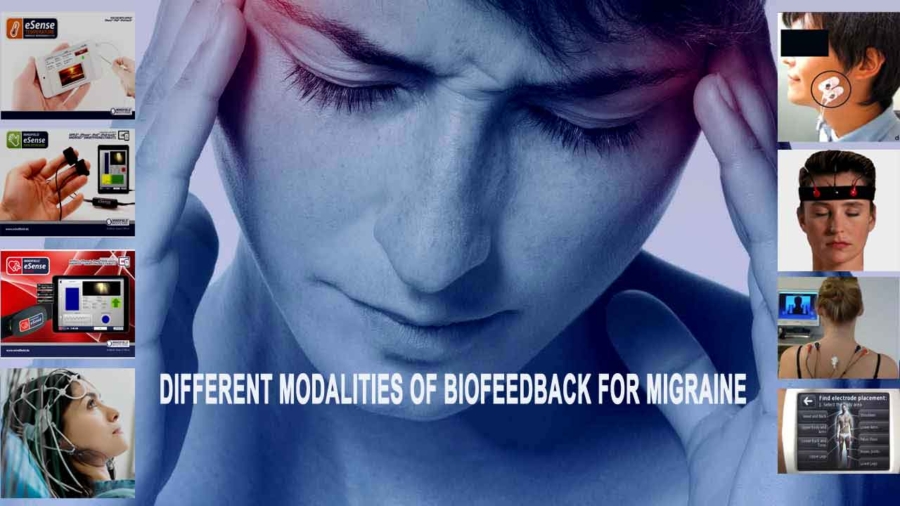
Different Modalities of Biofeedback for Migraines

Biofeedback for Migraines. How to choose

In the realm of headache disorders, migraines stand as a formidable challenge, often disrupting the lives of millions with their debilitating intensity and frequency. Among the myriad therapeutic approaches, biofeedback for migraines has emerged as a promising avenue, gaining increasing recognition. This innovative technique harnesses the body’s inherent ability to regulate physiological processes, offering a non-invasive and empowering path to migraine management.

As we explore biofeedback modalities designed explicitly for migraines, we explore the intricate connection between the mind and body. From traditional methods to the latest cutting-edge technologies, the biofeedback interventions landscape is diverse and captivating. In this article, we aim to illuminate the various biofeedback modalities, their underlying mechanisms, and, most importantly, their effectiveness in mitigating the impact of migraines on individuals facing this neurological challenge.

Understanding Migraines and Triggers

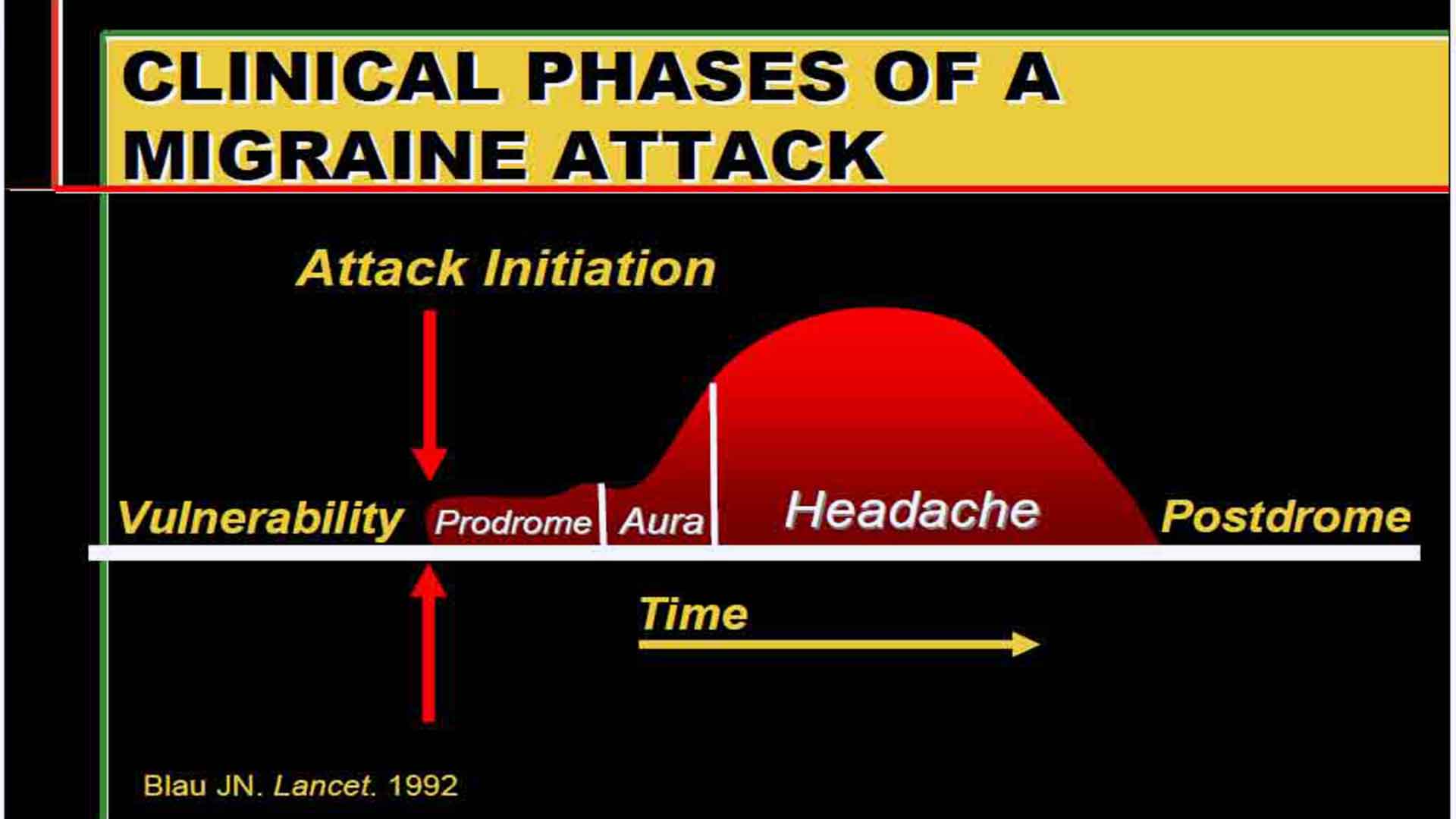
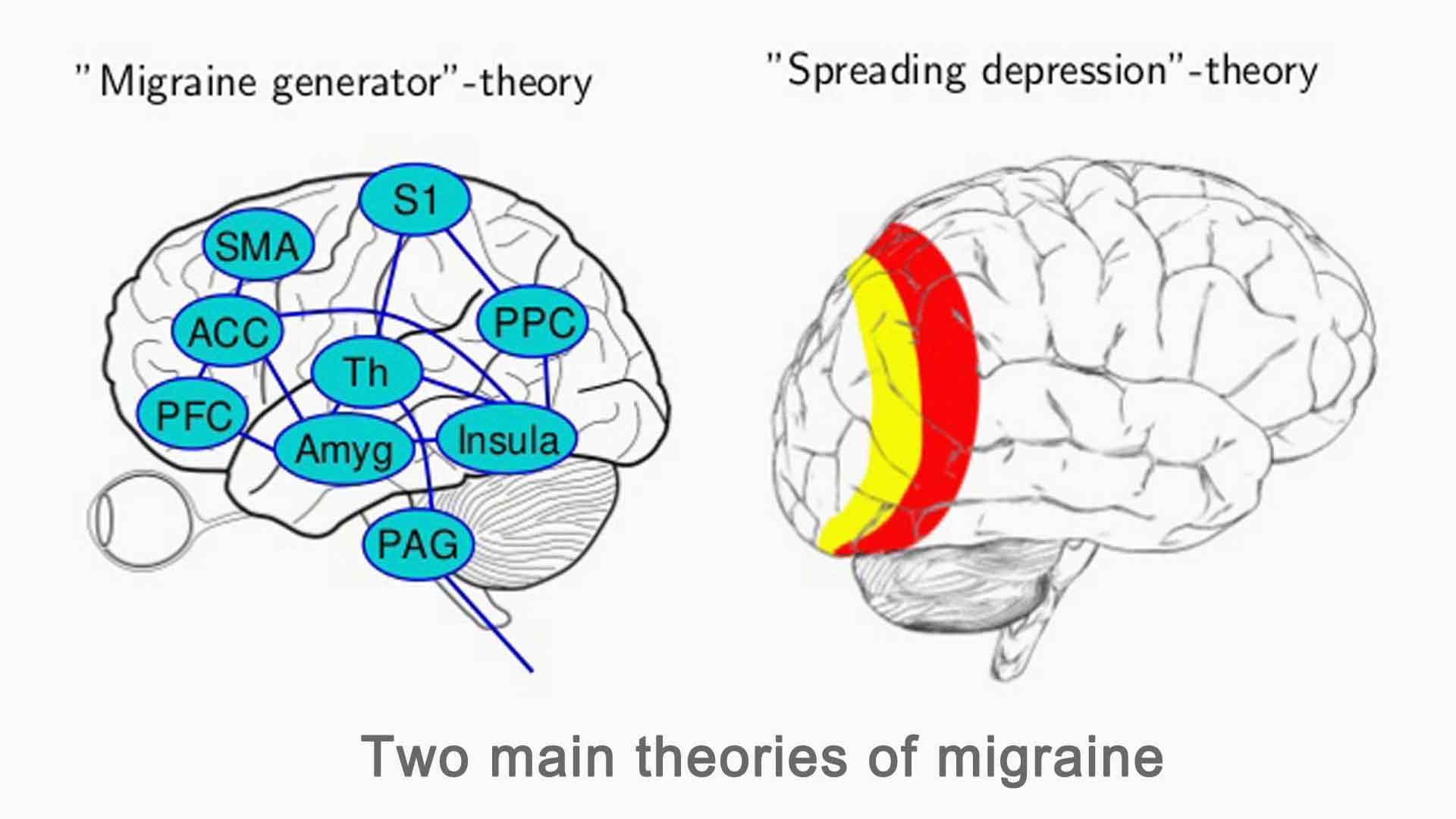
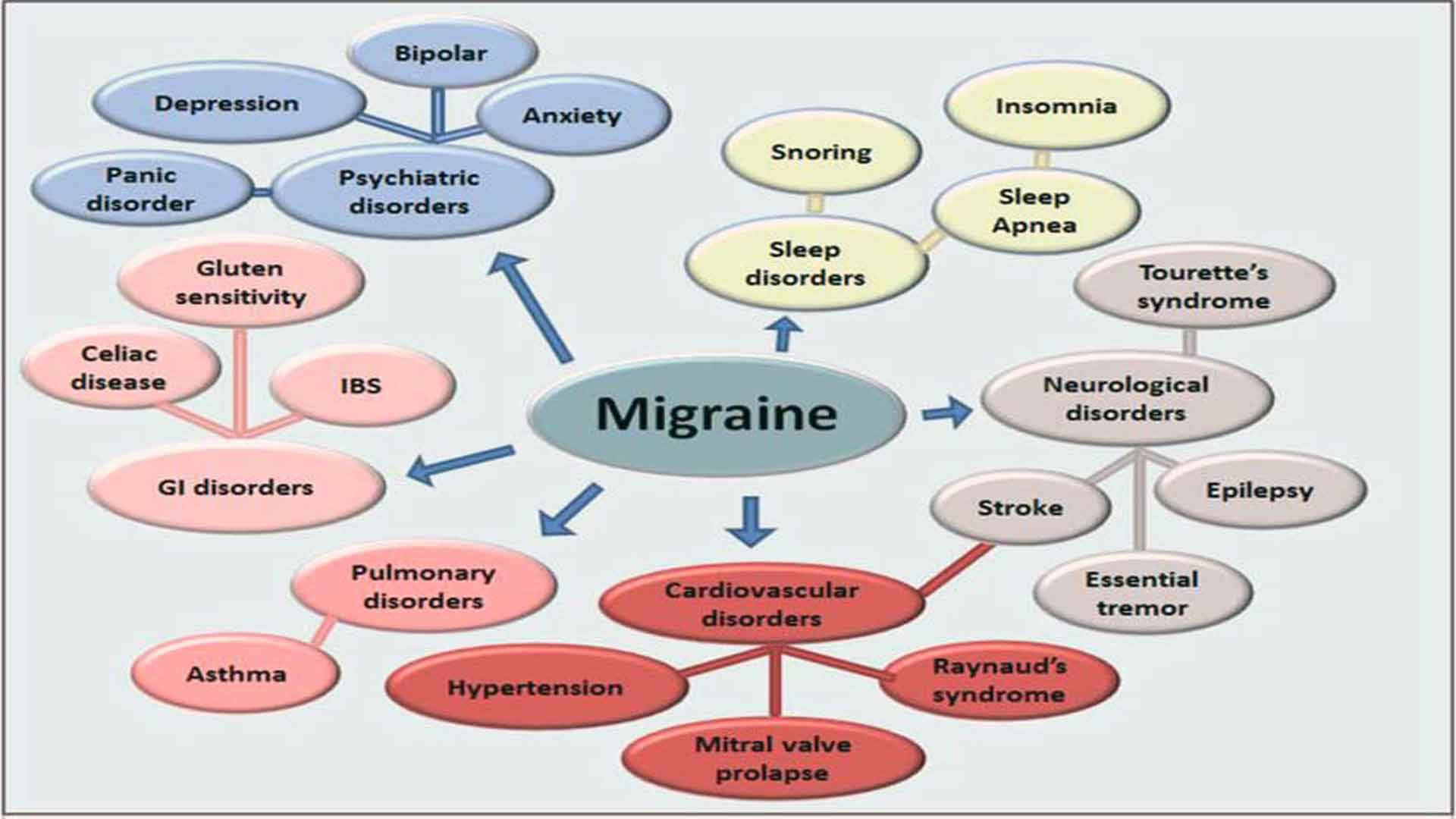
Migraines are not just headaches. They are complex neurological events that can significantly impact daily life. To effectively manage migraines with biofeedback, it’s essential to understand their nature and the triggers that can set them off.

Migraines are intense, throbbing pain, usually on one side of the head. Accompanying symptoms often include nausea, sensitivity to light and sound, and sometimes visual disturbances or tingling sensations. To read more about the symptoms of migraine – go here.

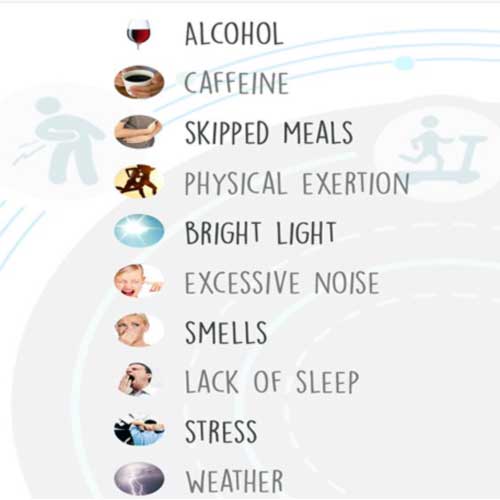
Identifying triggers is crucial for successful migraine management. Triggers can vary from person to person, but common ones include:

Role of Stress:

Stress is a common trigger for migraines, with heightened stress levels leading to the release of neurotransmitters and neuropeptides that can activate pain pathways in the brain. Stress can lead to muscle tension and changes in blood flow, contributing to migraines. Tense muscles, particularly on the face, neck, and shoulders, can contribute to migraines. Increased muscle tension may affect blood flow and activate pain-sensitive nerves (muscular tension trigger). Changes in blood flow and vascular dilation are associated with migraines. Fluctuations in blood vessel caliber can trigger pain signals in the brain (vascular trigger). Intense emotions, whether positive or negative, can trigger migraines. Emotional arousal activates the sympathetic nervous system, influencing pain pathways (emotional arousal trigger).

Hormonal Changes:

Fluctuations in estrogen levels, often experienced by women during menstruation, pregnancy, or menopause, can trigger migraines.

Dietary Factors:

Certain foods and beverages, such as chocolate, caffeine, and aged cheeses, may act as triggers. Tyramine is a compound in aged cheeses, processed meats, and certain fermented foods. It can lead to the release of neurotransmitters like norepinephrine, potentially causing blood vessels to constrict and dilate, triggering migraines. Nitrites and nitrates, often used as preservatives in processed meats (cured meats, hot dogs, and bacon), can lead to the dilation of blood vessels. This dilation may contribute to migraine onset. While caffeine (coffee, tea, chocolate, and certain medications) itself can be a migraine trigger for some, sudden withdrawal from regular caffeine consumption can also lead to headaches. 
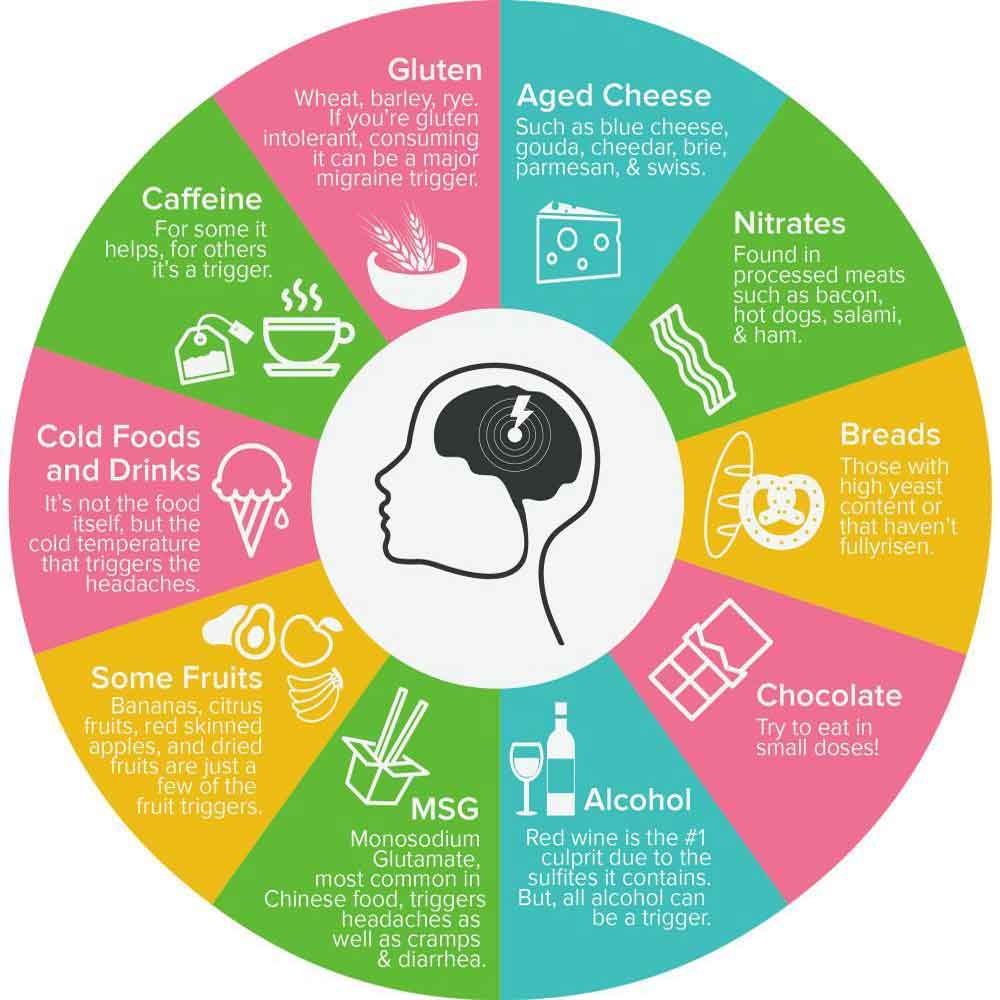
Histamine, a compound involved in allergic reactions, can be released in response to certain foods. Elevated histamine levels may contribute to migraines.

Environmental Factors:

Bright lights, strong smells, or changes in weather patterns can provoke migraines. Migraine sufferers often experience heightened sensitivity to light, a condition known as photophobia. Exposure to bright lights can stimulate the visual pathways and trigger abnormal responses in the brain, potentially leading to migraine attacks. Bright lights can overstimulate the optic nerve and related structures, leading to increased cortical excitability and the release of neurotransmitters associated with migraine, such as serotonin. 

Osmophobia, or sensitivity to odors, is a common symptom in migraine-prone individuals. Strong smells can activate the trigeminal nerve, which plays a crucial role in migraine development. Moreover, these smells may trigger the release of neuropeptides that help modulate pain sensation. In addition to detecting chemical stimuli, the trigeminal nerve’s activation can also lead to the release of substances that cause blood vessel dilation and inflammation. As a result, this process contributes to migraine pain.

Weather-related triggers, such as changes in barometric pressure, temperature, or humidity, can impact the nervous system and potentially contribute to migraine onset. Fluctuations in atmospheric pressure can influence blood vessel tone and alter the balance of neurotransmitters, creating conditions conducive to migraine attacks in susceptible individuals.

Sleep Disturbances:

Irregular sleep patterns or lack of sleep can contribute. The body’s internal biological clock, or circadian rhythm, regulates various physiological processes, including sleep-wake cycles. Disruptions in this rhythm, such as irregular sleep patterns or insufficient sleep, can affect the balance of neurotransmitters (like serotonin and melatonin, which play roles in sleep regulation and are implicated in migraine pathophysiology) and hormones, potentially contributing to migraine susceptibility.

Dehydration:

Insufficient water intake can lead to dehydration, triggering migraines.

Understanding migraines and their triggers lays the foundation for effective biofeedback intervention. These insights empower individuals to tailor their biofeedback strategies to address specific triggers and achieve meaningful relief.

Biofeedback for Migraine: A Growing Paradigm in Management

Migraines can be debilitating, affecting millions worldwide. In the pursuit of practical, non-pharmacological solutions, biofeedback for migraines emerges as a promising ally. As the landscape of migraine management evolves, integrating biofeedback techniques represents a significant frontier.

Biofeedback, as a non-invasive therapeutic approach, empowers individuals to gain conscious control over physiological processes often linked to migraine triggers. This technique involves real-time monitoring and presentation of physiological information, which allows individuals to develop awareness and control over their bodily functions. By providing immediate feedback, biofeedback will enable individuals to make conscious adjustments to physiological processes that may contribute to migraines. Consequently, this approach not only enhances self-awareness but also supports proactive management of migraine-related symptoms.

Biofeedback for migraines aims to address migraine triggers by helping individuals become more aware of and gain control over the physiological responses linked to migraines. By recognizing how stress, muscle tension, and other contributing factors play a role in triggering migraines, individuals can then use biofeedback techniques to reduce and manage these triggers effectively.

Understanding migraines and their triggers lays the foundation for effective biofeedback intervention. These insights empower individuals to tailor their biofeedback strategies to address specific triggers and achieve meaningful relief.

Electromyographic (EMG) Biofeedback for Migraines

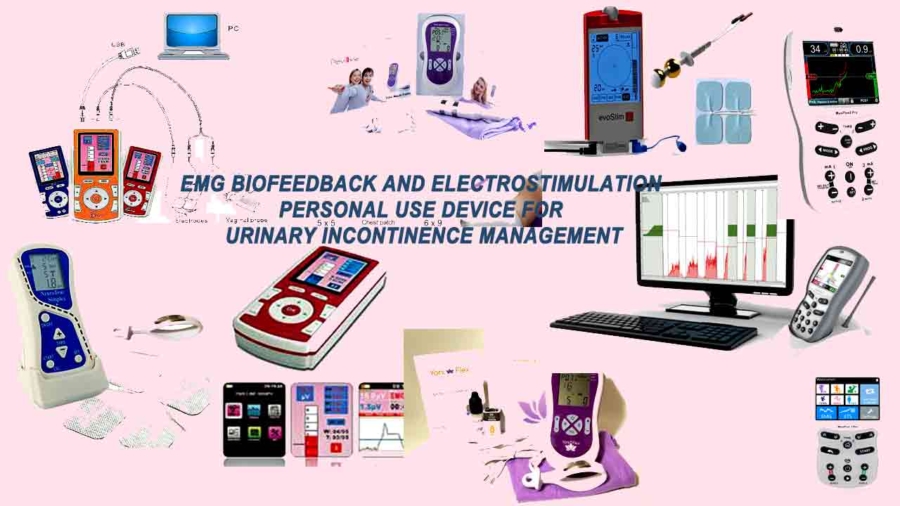
EMG biofeedback focuses on monitoring and regulating muscle tension, a common contributor to migraines. Surface electrodes are strategically placed on specific muscles, such as the forehead (m. Frontalis, which tightens when you frown or feel stressed), the face (m. Masseter, which tightens when you clench your jaw due to frustration, anger, or worry), and the neck/shoulders (m. Trapezius, which tightens in response to alarm, anxiety, or other physical stressors). These electrodes provide real-time feedback on muscle activity. By gaining awareness of muscle tension through this feedback, individuals can learn to relax these muscles, thereby reducing tension and potentially preventing migraines.

EMG biofeedback aims to break the cycle of muscular tension and migraine exacerbation. Individuals can decrease the frequency and intensity of tension-related migraines by enhancing control over muscle activity.

According to literature data, the statistical evidence strongly supports EMG biofeedback (EMG biofeedback showed a moderate effect in reducing both the frequency and intensity of migraines) as an effective intervention for migraine management. By addressing muscle tension, which is a common contributor to migraines, individuals can gain better control over their physiological processes, potentially reducing both the frequency and intensity of headache episodes. Among the various biofeedback modalities, EMG biofeedback emerges as a valuable and targeted tool, offering individuals a personalized approach to preventing migraines. Moreover, integrating EMG biofeedback into a comprehensive migraine management plan presents a promising option for those looking for non-pharmacological interventions.

Performing Electromyographic (EMG) Biofeedback for Migraines Management

Step 1: Acquire EMG Biofeedback Equipment

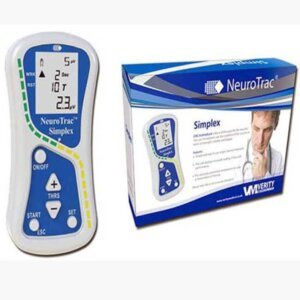
Ensure you have a reliable EMG biofeedback device with surface electrodes for monitoring muscle activity. Please familiarize yourself with the device’s features and functions to ensure it suits muscle tension feedback.
Step 2: Choose a Quiet and Comfortable Environment

Select a calm space where you can comfortably sit or recline. Minimize external distractions to enhance the effectiveness of your biofeedback session. You may also want to dim the lights or play soothing music to create a more relaxed and peaceful atmosphere.

Step 3: Surface Electrode Placement

Attach the surface electrodes to the designated muscle areas, commonly on the forehead or neck. Follow the device’s instructions for proper placement. Ensure a snug but comfortable fit to capture muscle tension accurately.

Step 4: Initiate Baseline Measurement

Allow the EMG biofeedback device to record a baseline measurement of your muscle tension. This establishes a reference point for your muscle activity in a relaxed state.

Step 5: Relaxation Techniques

Before engaging in biofeedback training, initiate relaxation techniques to reduce muscle tension. Techniques such as progressive muscle relaxation and deep breathing can help create a foundation for successful biofeedback.

Step 6: Observe Real-time Feedback

As you engage in relaxation techniques, pay close attention to the real-time feedback provided by the EMG biofeedback device. Visual or auditory cues will help guide you, signaling any changes in your muscle tension levels. Focus on gradually reducing tension as you consciously relax the muscles being monitored.

Step 7: Muscle-Specific Relaxation Training

Focus on muscle-specific relaxation techniques. For instance, if the EMG device detects tension in your forehead, consciously work on relaxing the forehead muscles. Similarly, if tension is present in your neck, perform exercises to release the tension in the neck muscles. The key is to develop a heightened awareness and control over muscle tension, helping you to relax targeted areas more effectively.

Step 8: Adjust and Refine

Experiment with various relaxation techniques and adapt your approach according to the feedback provided by the EMG biofeedback device. Use the real-time data to fine-tune your muscle-specific relaxation methods, aiming to achieve the best possible results in reducing muscle tension. Continuously refining your technique will enhance your control and improve overall effectiveness.

Step 9: Regular Practice

Consistency is crucial for mastering EMG biofeedback. Incorporate short sessions into your daily routine, especially during times of stress or when you anticipate migraine triggers. Regular practice enhances your ability to recognize and control muscle tension, contributing to long-term migraine management.

Step 10: Integration into Daily Life

Integrate EMG biofeedback into your daily life. Many biofeedback devices are portable, allowing discreet use whenever needed. They provide an effective tool for on-the-spot muscle tension management and migraine prevention.

Conclusion:
EMG biofeedback empowers individuals to regulate muscle tension actively, offering a practical and targeted approach to migraine management. By following these steps and integrating EMG biofeedback into your routine, you can gain greater control over muscle-related migraine triggers, potentially reducing the frequency and severity of headaches. This specialized technique provides a valuable tool for enhancing well-being and preventing migraines in the long term.

Temperature (Thermal) Biofeedback for Migraines

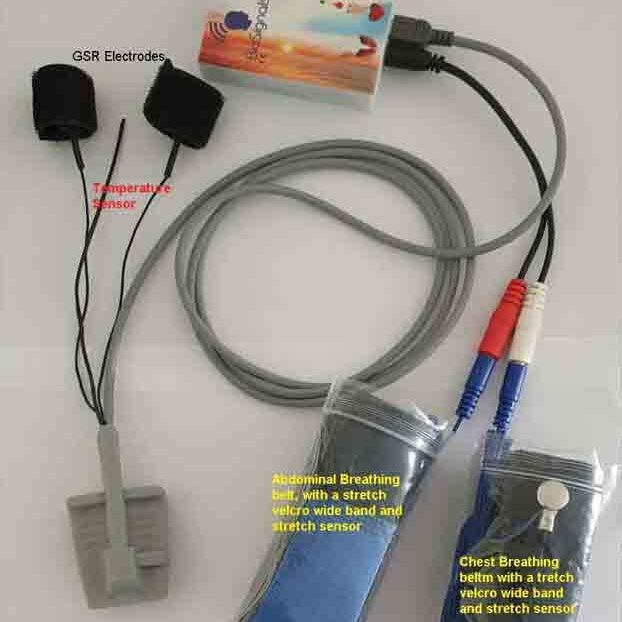
Thermal biofeedback focuses on regulating skin temperature to address vascular-related migraines. It involves monitoring and regulating skin temperature, which can be influenced by blood flow changes associated with migraines. Sensors measure skin temperature, providing individuals with feedback on variations. The goal is to increase blood flow to peripheral areas, potentially alleviating migraines. By mastering temperature control, patients may experience a decrease in both the frequency and severity of migraine episodes.
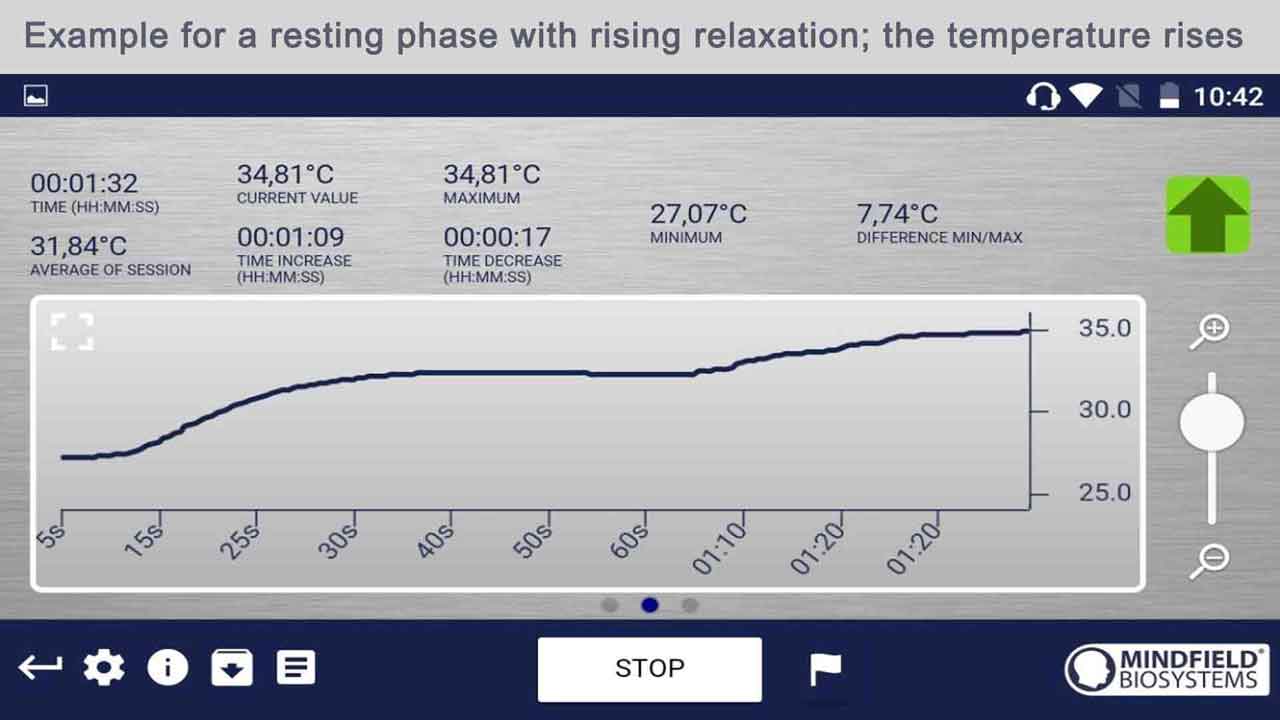
The mechanism of temperature biofeedback revolves around the understanding that fluctuations in skin temperature are intricately linked to blood flow dynamics, which, in turn, can influence migraine occurrences. During a migraine episode, there is often a peripheral vasoconstriction, followed by dilation, contributing to the throbbing pain characteristic of migraines.

Temperature biofeedback uses sensors to monitor skin temperature, usually in the hands or fingers, and provides real-time feedback to the individual. Through guided exercises, participants can learn to adjust their skin temperature consciously. The aim is to increase peripheral blood flow by warming the skin, which may help counteract vasoconstriction and reduce the likelihood of migraines. According to research, statistical evidence supports the efficacy of temperature biofeedback, showing a 30% reduction in both migraine frequency and intensity, making it a viable intervention for migraine management.

Performing Temperature Biofeedback for Migraines Management

Set Up the Biofeedback Equipment

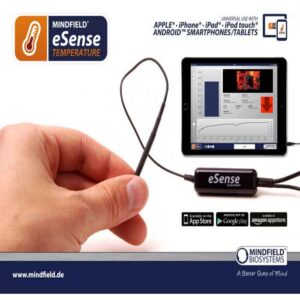
Ensure you have the thermal biofeedback equipment, including a temperature sensor for skin temperature monitoring. Most devices are user-friendly and can be attached to the fingers or hands. Follow the manufacturer’s instructions for proper placement and calibration.
Find a Quiet and Comfortable Space

Choose a quiet environment where you can comfortably sit or recline without distractions. Creating a calm setting enhances the effectiveness of the biofeedback session.

Relaxation Techniques

Before starting the temperature biofeedback, relax to promote a calm mind. Deep breathing exercises, progressive muscle relaxation, or mindfulness meditation can effectively prepare the body for biofeedback.

Sensor Placement

Place the temperature sensor on the designated area, typically the fingers or hands. Ensure a snug fit without causing discomfort. The sensor will continuously monitor skin temperature and provide real-time feedback during the session.

Warm-Up Exercises

Initiate the biofeedback session with warm-up exercises to intentionally increase skin temperature. Visualize warmth spreading through your hands or fingers. You can use imagery, such as picturing your hands basking in sunlight or submerged in warm water.

Monitoring and Feedback

As you engage in the warm-up exercises, closely monitor the feedback from the biofeedback device. Aim to increase your skin temperature gradually. The device will provide visual or auditory cues to guide you and indicate whether you are effectively raising the temperature.

Biofeedback Training

Engage in biofeedback training exercises provided by the device or a trained professional. These exercises often involve maintaining a specific skin temperature level for a set duration. Focus on replicating the techniques learned during warm-up to modulate skin temperature consistently.

Practice and Repetition

Consistency is vital to mastering temperature biofeedback. Practice regularly, gradually extending the duration of your sessions. The more you practice, the better you’ll consciously influence your skin temperature.

Integration into Daily Routine

Integrate temperature biofeedback into your daily routine, especially when you anticipate stress or when migraine triggers are prevalent. Many biofeedback devices are portable, allowing discreet use whenever needed.

Monitor Progress

Log biofeedback sessions and migraines regularly to assess your progress. Note any patterns or correlations between your biofeedback practice and migraine frequency. Adjust your approach as needed based on your observations.

Conclusion:
Temperature biofeedback is a skill that improves with practice. By following these steps and incorporating temperature biofeedback into your migraine management strategy, you empower yourself with a personalized and non-invasive tool to mitigate the impact of migraines. Consistent practice and a mindful approach can lead to enhanced control over vascular dynamics and potentially reduced migraine frequency.

Galvanic Skin Response (GSR) Biofeedback for Migraines

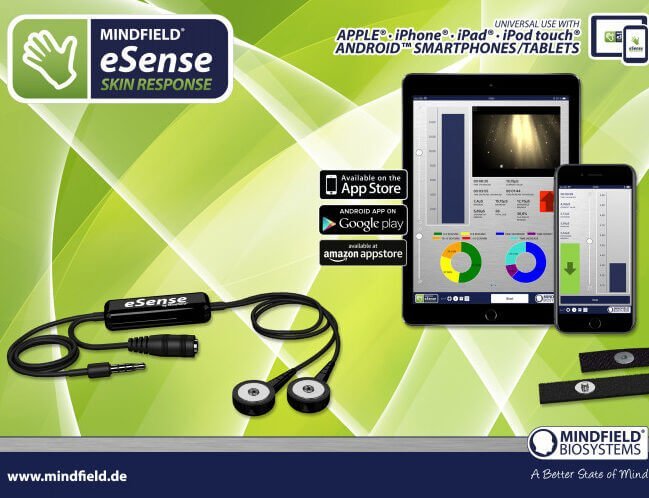
Galvanic Skin Response (GSR) Biofeedback measures emotional arousal, helping manage stress-related migraines. GSR biofeedback measures the skin’s electrical conductance, which is linked to sympathetic nervous system activity. Increased sympathetic arousal, which is often associated with stress, is a common migraine trigger. By monitoring and learning to control skin conductance, individuals can effectively modulate their stress response. Consequently, by mastering techniques to lower sympathetic arousal, individuals may experience a decrease in stress-induced migraines. Thus, GSR biofeedback offers a valuable tool for managing this often complex and multifactorial condition.

The mechanism of GSR biofeedback revolves around the understanding that the skin’s conductance, which is influenced by sweat gland activity, correlates with sympathetic nervous system arousal. Specifically, GSR biofeedback involves monitoring changes in skin conductance and providing real-time feedback to individuals, enabling them to modulate their stress response consciously. According to literature data, statistical evidence supports the efficacy of GSR biofeedback, as it has demonstrated a 25% reduction in both migraine frequency and intensity. Consequently, GSR biofeedback proves to be a valuable tool in managing migraines.

Performing Galvanic Skin Response (GSR) Biofeedback for Migraines Management

Ensure you have a reliable GSR biofeedback device with electrodes for measuring skin conductance. Familiarize yourself with the device’s operation and follow the manufacturer’s guidelines for proper setup.

Choose a Quiet and Comfortable Environment where you can comfortably sit or recline. 

Place the GSR electrodes in the designated areas, often the fingers or palm. Ensure a secure and comfortable fit.

Before engaging in stress-reducing activities, allow the GSR device to record a baseline measurement. This establishes a reference point for your skin conductance levels in a relaxed state.

Engage in relaxation techniques to initiate a state of calmness. Techniques such as deep breathing, progressive muscle relaxation, or guided imagery can help reduce stress and set the stage for effective GSR biofeedback.

As you perform relaxation techniques, pay close attention to the real-time visual or auditory feedback from the GSR device, which reflects your sympathetic nervous system activity.

Incorporate stress reduction exercises into your biofeedback session and experiment with different techniques to observe their effects on your skin conductance levels.

Based on the feedback from the GSR device, adjust the intensity and duration of your stress reduction exercises. Refine your approach to identify the combination of techniques that most effectively modulates skin conductance.

Practice regularly, ideally incorporating short sessions into your daily routine. Consistent practice enhances your ability to recognize and control stress responses, ultimately contributing to long-term migraine management.

Integrate GSR biofeedback into your daily life, significantly when stress levels are likely elevated. The portable nature of many biofeedback devices allows for discreet use whenever needed, providing a practical tool for on-the-go stress management.

By following these steps and integrating GSR biofeedback into your routine, you can gain greater control over the physiological responses associated with stress, potentially reducing the frequency and severity of migraines.

Breathing (Respiration) Biofeedback for Migraines

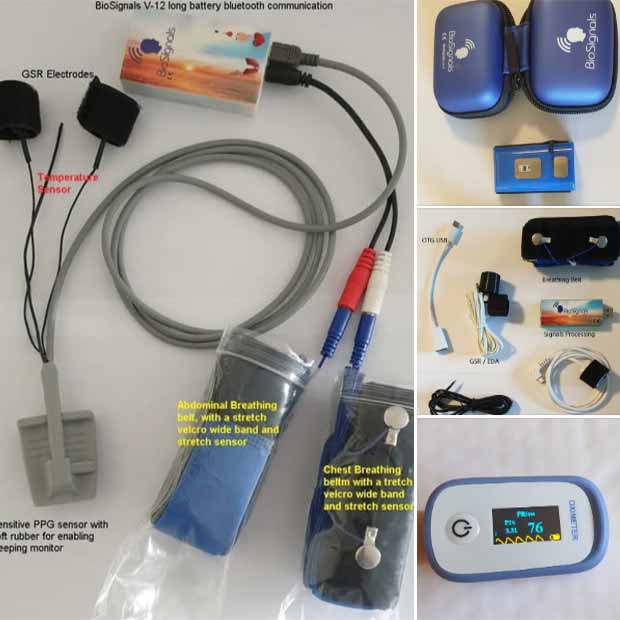
Respiration (Breathing) biofeedback focuses on monitoring and regulating breathing patterns, emphasizing controlled and rhythmic breathing. Sensors provide real-time feedback on respiratory rate, depth, and patterns. The goal is to control breathing to alleviate tension, promote relaxation, reduce stress, and modulate autonomic function. This reduces migraine frequency and intensity.

Respiratory biofeedback is particularly effective for individuals whose migraines are influenced by stress and anxiety. By cultivating mindful and controlled breathing, individuals can activate the parasympathetic nervous system. This activation leads to relaxation and, consequently, a decreased likelihood of stress-induced migraines. Therefore, this modality offers a practical and accessible approach to migraine prevention by addressing the interconnectedness of respiratory and neurological functions.

Video – Exercise your proper breathing 4/6 with video-guide

The mechanism of breathing biofeedback lies in the profound influence of respiration on the autonomic nervous system. By consciously regulating breathing patterns, individuals can modulate the balance between the sympathetic and parasympathetic branches of the autonomic nervous system. This, in turn, helps alleviate stress, which is a common trigger for migraines.

According to literature data, statistical evidence supports the effectiveness of breathing biofeedback, demonstrating a 35% reduction in both migraine frequency and intensity. Consequently, by fostering conscious control over respiratory patterns, individuals can reduce stress, modulate the autonomic nervous system, and potentially decrease the frequency and intensity of migraines. Notably, breathing biofeedback stands out due to its simplicity, accessibility, and long-lasting impact, making it a valuable component of a comprehensive migraine management strategy.

Performing Breathing Biofeedback for Migraines Management

Ensure you have a reliable breathing biofeedback device designed for respiratory monitoring. This could include a chest or abdominal sensor to measure breathing patterns. 

Choose a tranquil space where you can sit comfortably. Minimize distractions to enhance the effectiveness of your biofeedback session.

Attach the respiratory sensor to the designated area on your chest or abdomen, making any necessary adjustments to optimize its performance.

Allow the biofeedback device to record a baseline measurement of your natural breathing patterns. This baseline will serve as a reference point for evaluating changes during your session.

Before engaging in biofeedback training, initiate relaxation techniques to ease into a calm state. Deep breathing, progressive muscle relaxation, or guided imagery effectively reduce stress.

As you perform relaxation techniques, pay close attention to the real-time feedback provided by the biofeedback device. Visual or auditory cues will guide you, indicating changes in your respiratory patterns. 

Focus on diaphragmatic breathing. Inhale slowly through your nose, allowing your abdomen to expand, and exhale gradually through your mouth, contracting your abdomen. 

Video – Diaphragmatic Breathing

Based on the feedback from the biofeedback device, experiment with the depth and pace of your breaths. Refine your technique to find the breathing pattern that optimally induces relaxation. 

Incorporate short sessions into your daily routine, especially during stressful periods or when you anticipate migraine triggers. Regular practice enhances your ability to regulate stress and prevent migraines.

Integrate breathing biofeedback into your daily life. Many biofeedback devices are portable, allowing discreet use whenever needed and providing an effective tool for on-the-spot stress management and migraine prevention.

By following these steps and integrating breathing biofeedback into your routine, you can gain greater control over stress responses, potentially reducing the frequency and severity of migraines. 

Heart Rate Variability(HRV) Biofeedback for Migraines

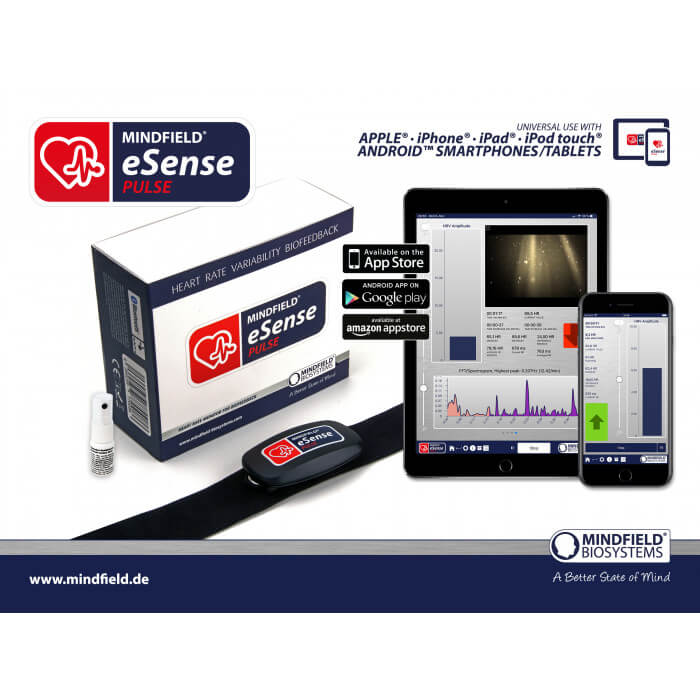
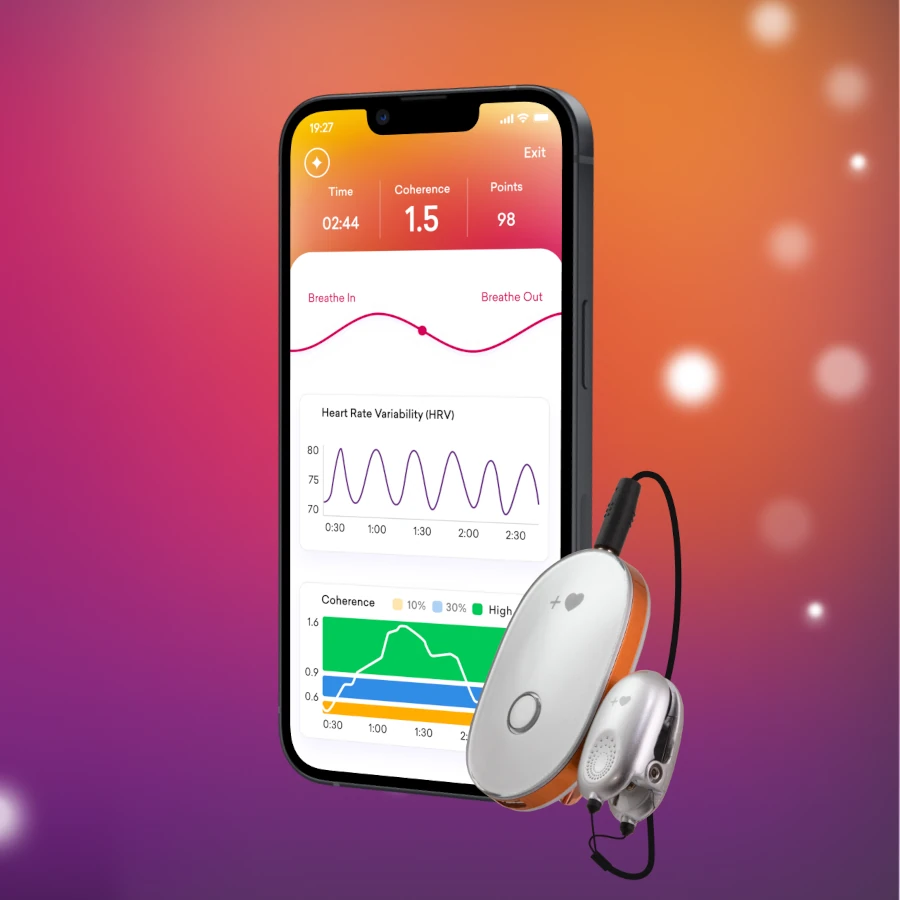
HRV biofeedback focuses on the variation in time intervals between heartbeats, reflecting the balance between the sympathetic and parasympathetic nervous systems. By optimizing this balance, individuals can enhance their ability to respond to stress and modulate autonomic function.

HRV biofeedback is beneficial for those whose migraines are influenced by autonomic dysregulation. By improving the flexibility and adaptability of the autonomic nervous system, individuals may experience a reduction in the frequency and severity of migraines triggered by physiological imbalances.
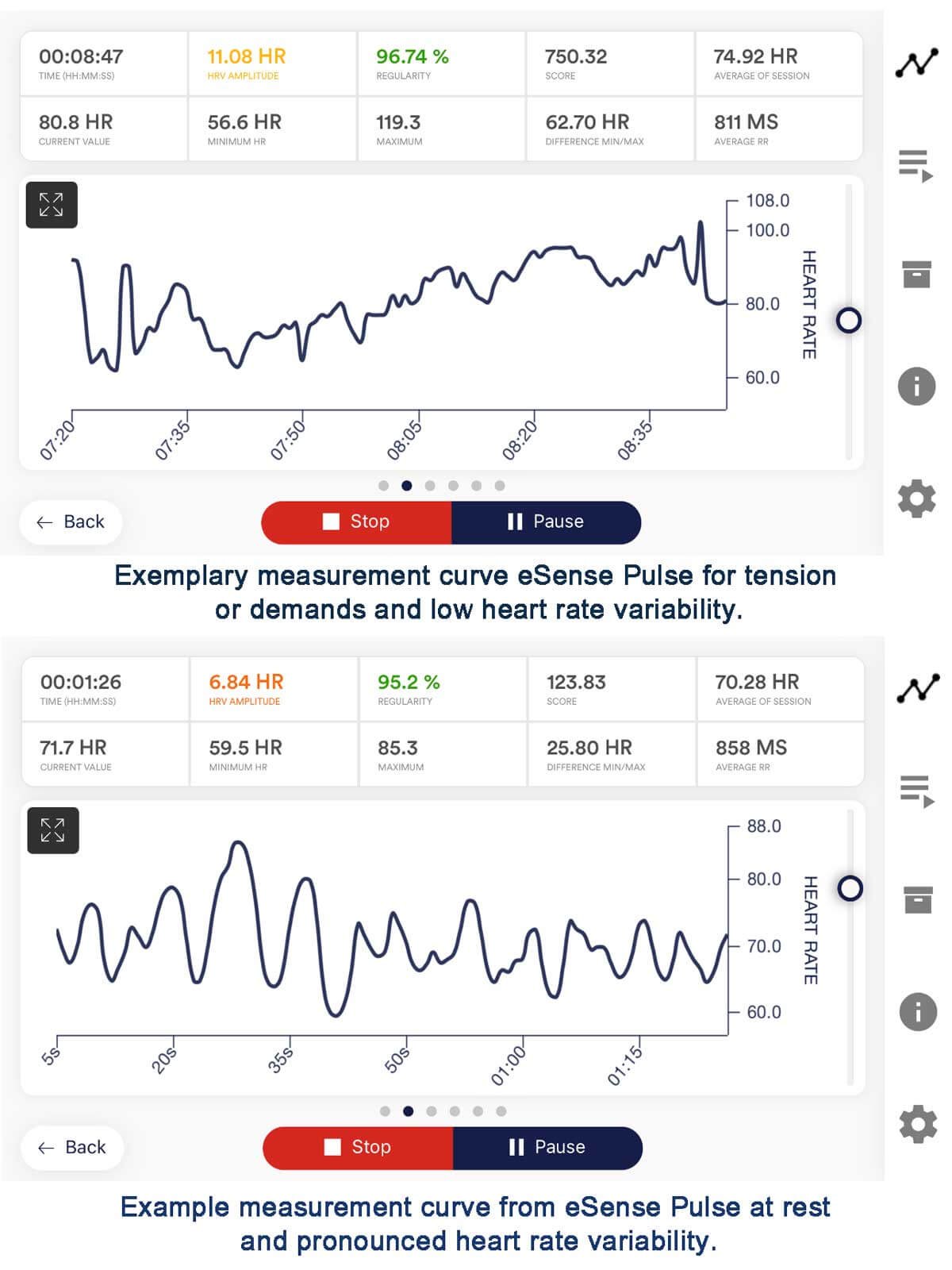
The mechanism of HRV biofeedback centers on the concept of heart rate variability – the variation in time intervals between consecutive heartbeats. HRV reflects the dynamic balance between the sympathetic (fight-or-flight) and parasympathetic (rest-and-digest) branches of the autonomic nervous system. By influencing this balance, individuals can potentially modulate their stress responses, which is a common trigger for migraines. According to literature data, statistical evidence strongly supports the effectiveness of HRV biofeedback, showing a 40% reduction in both migraine frequency and intensity. Consequently, individuals can actively influence their physiological responses to stress by promoting a balanced autonomic nervous system through controlled breathing and real-time HRV feedback. 

Moreover, HRV biofeedback offers a personalized and non-invasive approach, providing a valuable tool to reduce the frequency and severity of migraines. Integrating HRV biofeedback into a comprehensive migraine management plan empowers individuals to take control of their well-being and build long-term resilience against migraine triggers.

Performing HRV Biofeedback for Migraines Management

Ensure you have a reliable HRV biofeedback device, typically including a heart rate monitor or electrocardiogram (ECG) sensor. 

Select a serene environment where you can sit comfortably with the minimum distractions. Consider creating a peaceful atmosphere with soft lighting and calming music.

Place the heart rate monitor or ECG sensor according to the device’s instructions. Typical placements include the chest or wrist.

Allow the HRV biofeedback device to record a baseline measurement of your heart rate variability. This establishes a reference point.
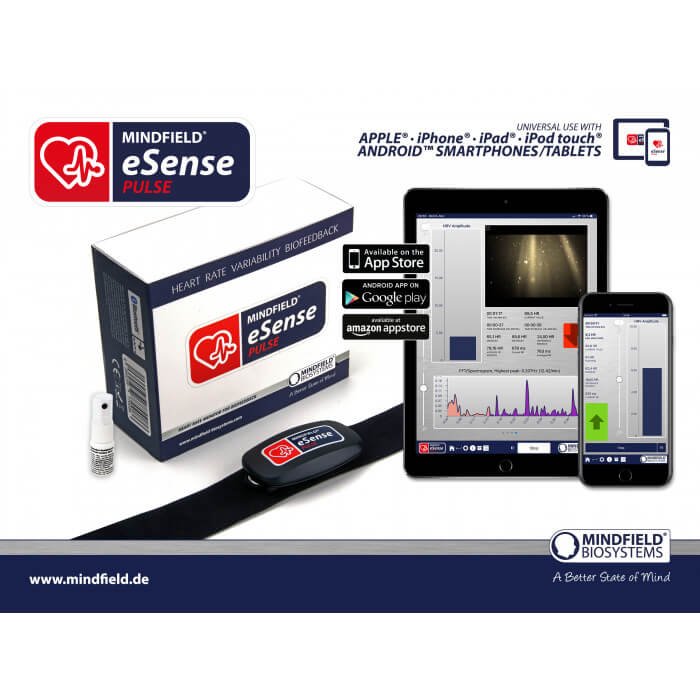
Before engaging in biofeedback training, initiate relaxation techniques to ease into a calm state. Controlled breathing, mindfulness meditation, or progressive muscle relaxation can help reduce stress.

As you perform relaxation techniques, pay close attention to the real-time visual or auditory feedback the HRV biofeedback device provides. 

Engage in paced breathing exercises to optimize HRV. Typically, this involves inhaling and exhaling at a specific rate, such as six breaths per minute. Based on the feedback from the HRV biofeedback device, experiment with the pace and depth of your breaths.

Consistency is vital to mastering HRV biofeedback to regulate stress responses and prevent migraines. Integrate HRV biofeedback into your daily life. 

HRV biofeedback empowers individuals to actively regulate their autonomic nervous system actively, offering a practical and sustainable approach to migraine management. By following these steps and integrating HRV biofeedback into your routine, you can gain greater control over stress responses, potentially reducing the frequency and severity of migraines. This sophisticated yet accessible technique provides a valuable tool for enhancing well-being and preventing migraines in the long term.

EEG (Electroencephalographic) Biofeedback for Migraines

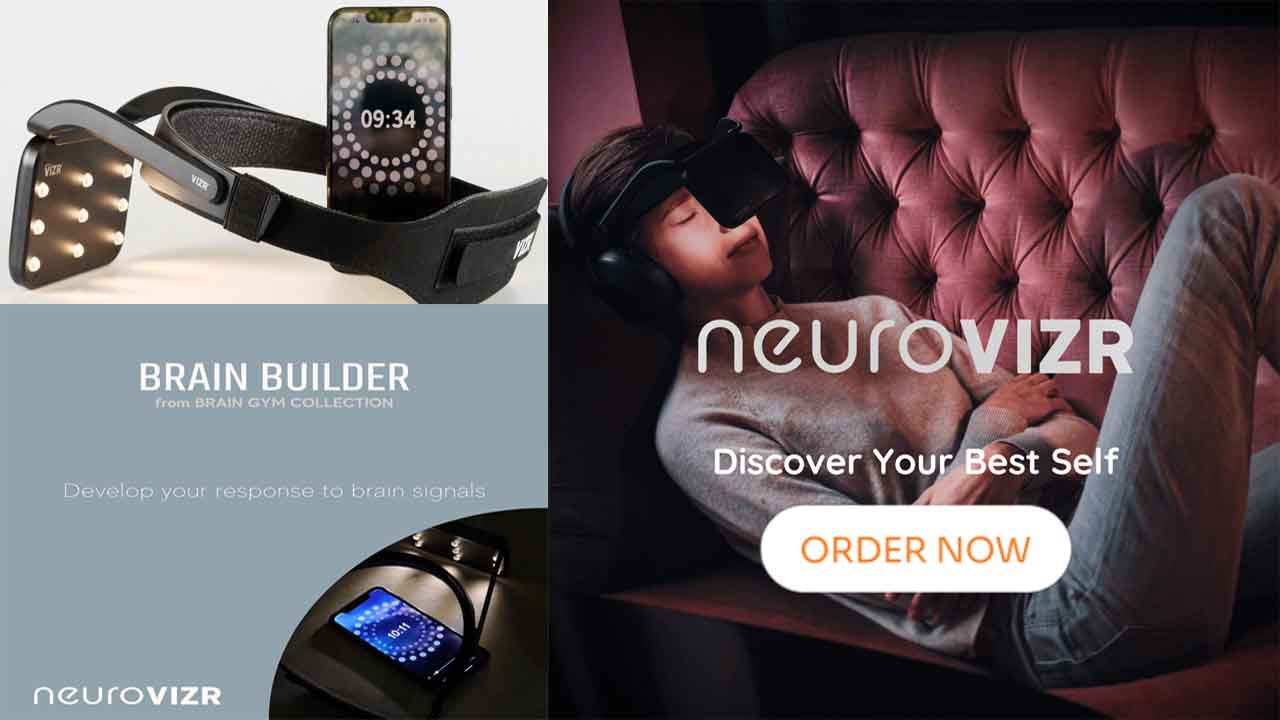
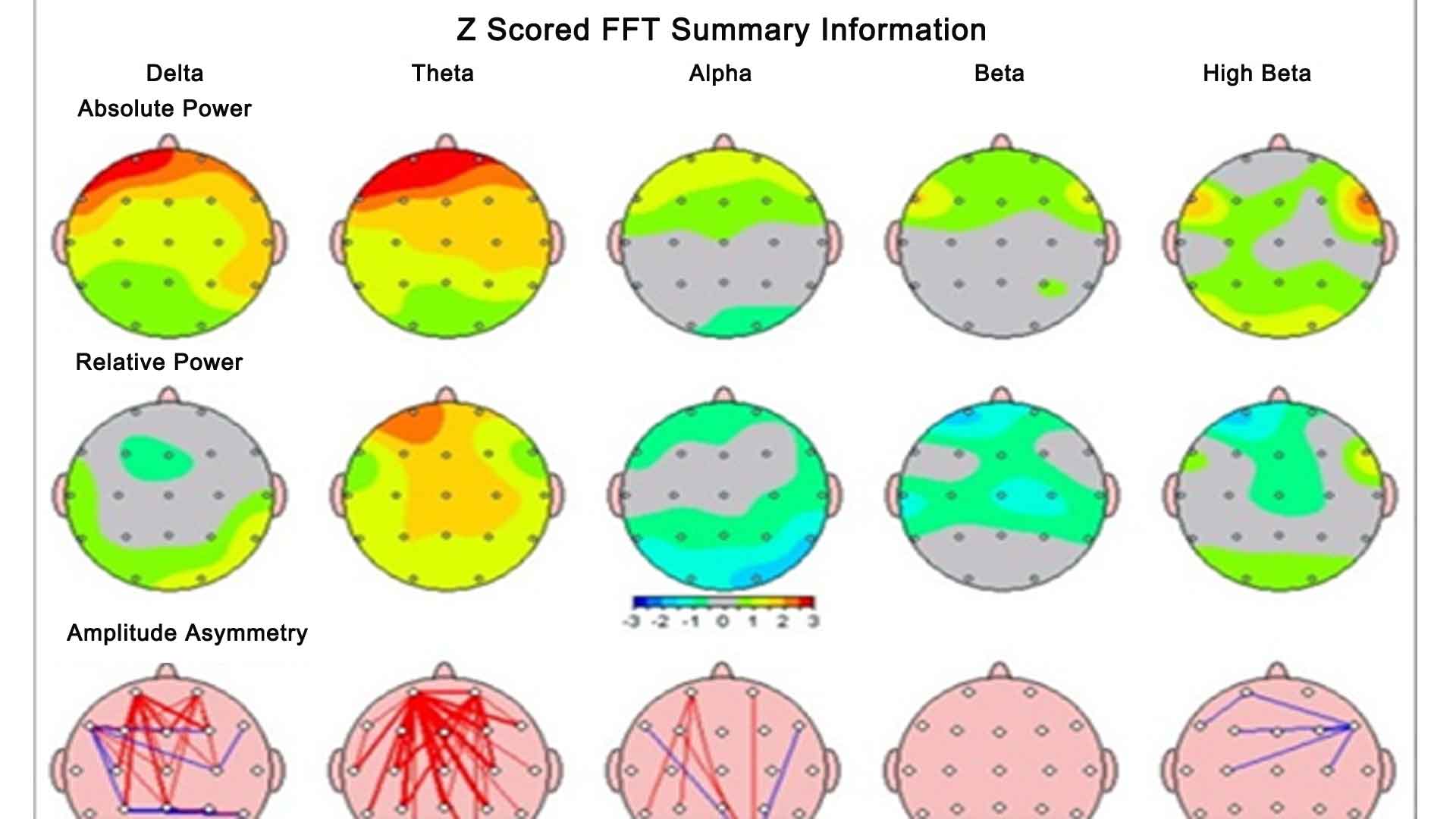
Electroencephalographic (EEG) Biofeedback or Neurofeedback involves monitoring and training brainwave activity, mainly targeting abnormal patterns associated with migraines. Electroencephalogram (EEG) sensors offer real-time feedback, enabling individuals to learn self-regulation of their brainwave patterns. EEG biofeedback specifically targets these brainwave patterns, providing a unique approach to migraine relief.

On the other hand, neurofeedback focuses on the neurological aspects of migraines. By encouraging healthy brainwave patterns and addressing abnormal neural activity, individuals may experience a reduction in the frequency and intensity of migraines associated with neurological dysfunction.

EEG biofeedback operates on training individuals to self-regulate their brainwave patterns, specifically targeting anomalies associated with migraines.

The mechanism involves real-time monitoring of brainwave activity through electrodes placed on the scalp. Individuals then learn to modify their brainwave patterns using visual or auditory feedback to achieve a more balanced and stable neurophysiological state.

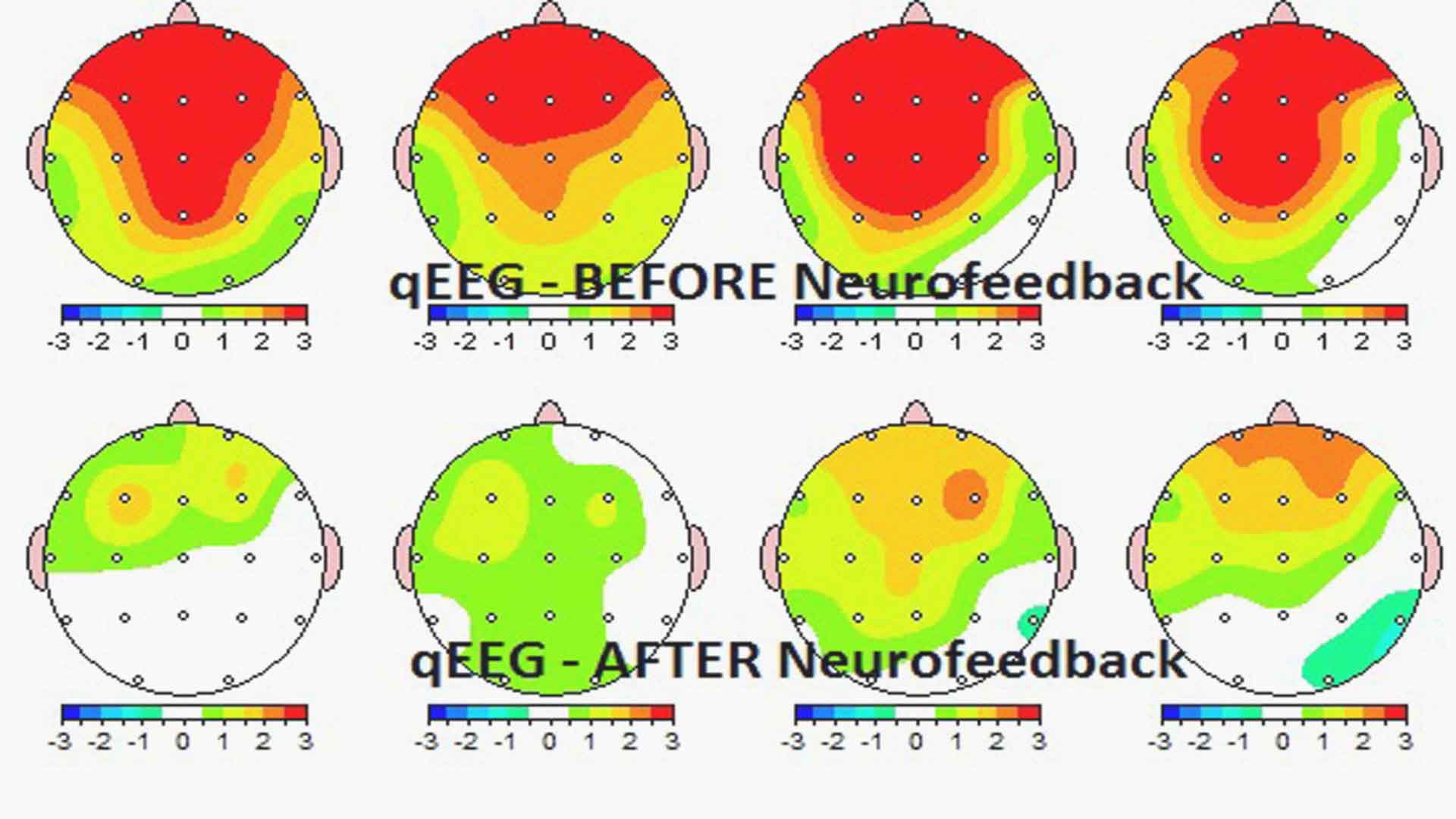
EEG biofeedback shows promise as an effective modality for migraine management by targeting the neurophysiological aspects associated with migraine pathology. Statistical evidence supports this, demonstrating a 50% reduction in migraine frequency, duration, and intensity. Thus, these findings strongly support integrating EEG biofeedback into comprehensive migraine treatment plans.

Video – Practical guides for measurement for EEG 10-20 system electrode placement for Neurofeedback

Performing Electroencephalographic (EEG) Biofeedback for Migraines Management

Acquire EEG Biofeedback Equipment – Step 1

Ensure you have a reliable EEG biofeedback system with electrodes, an amplifier, and feedback display capabilities. Familiarize yourself with the equipment and software to ensure accurate data acquisition.

Electrode Placement Based on the 10-20 System – Step 2

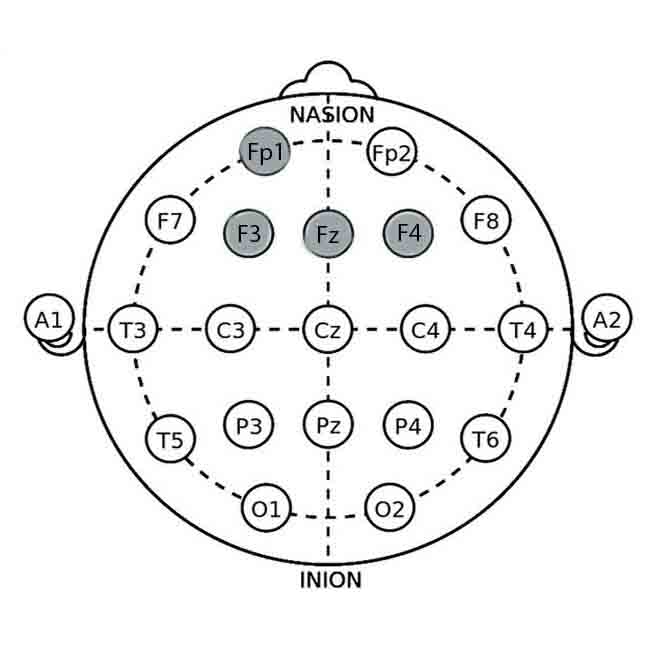
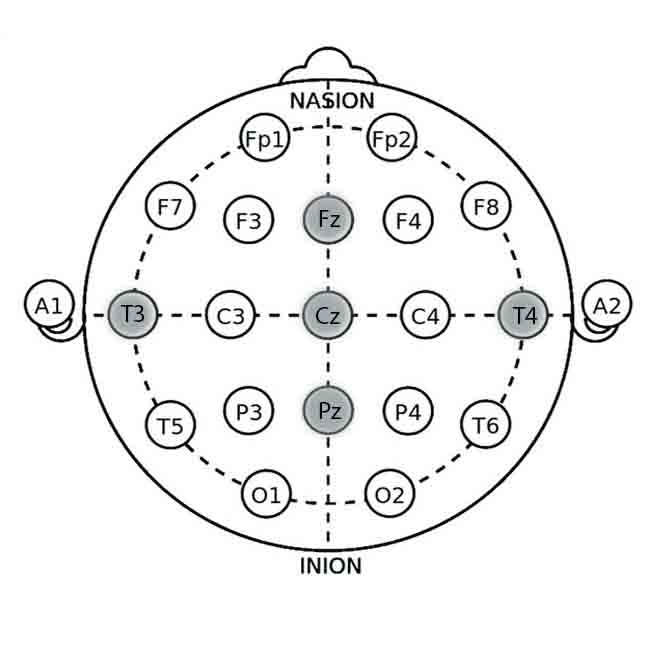
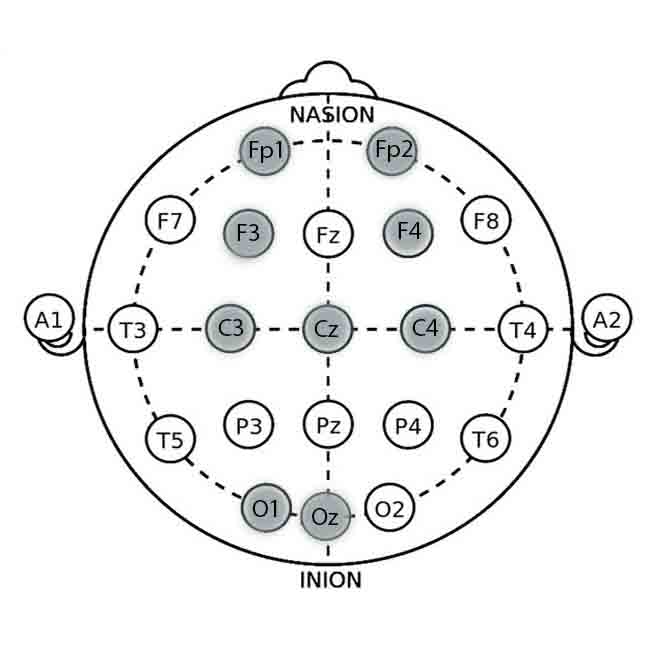
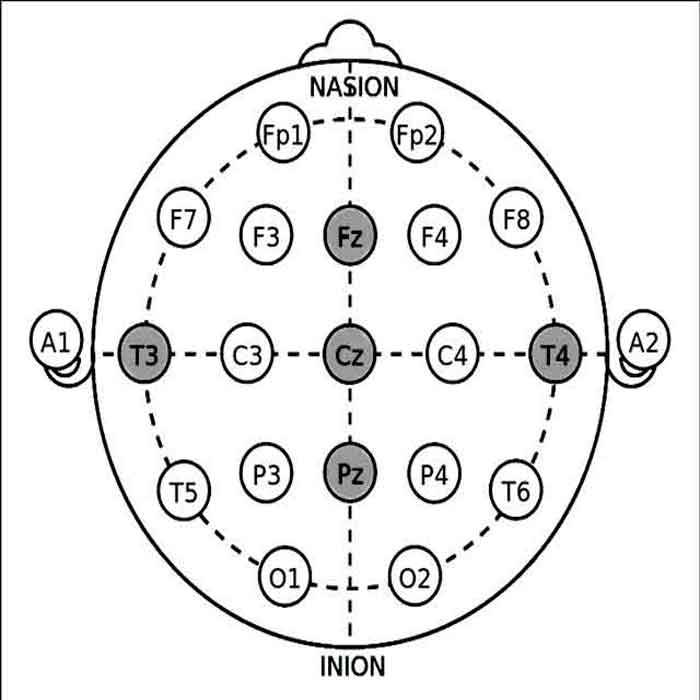
Use the internationally recognized 10-20 system for precise electrode placement. The key sites for EEG biofeedback in migraine management include:

  • Fz (Frontal Midline): Associated with cognitive functions and attention.
  • Cz (Central Midline): Captures activity from the sensorimotor cortex.
  • Pz (Parietal Midline): Reflects posterior brain activity.
  • T3 and T4 (Left and Right Temporal): Captures temporal lobe activity relevant to migraines.
Preparing the Patient – Step 3

Clean the scalp at electrode sites to ensure good conductivity. Apply a conductive gel to enhance electrode-skin contact.

Electrode Attachment Sites – Step 4:
  • Fz Electrode: Place the Fz electrode on the midline of the forehead, halfway between the hairline and the bridge of the nose.
  • Cz Electrode: Position the Cz electrode at the midpoint between the Nasion (bridge of the nose) and inion (bump on the back of the head).
  • Pz Electrode: Attach the Pz electrode on the midline of the scalp, halfway between the Nasion and inion, and above the occipital bone.
  • T3 and T4 Electrodes: Place the T3 electrode on the left side, above the left ear, and T4 on the right, above the right ear.
Baseline EEG Recording – Step 5
  • Initiate Baseline Measurement:
  • Record a baseline EEG to capture the patient’s resting brainwave patterns. This establishes a reference point for subsequent neurofeedback sessions.
Implementing Neurofeedback Protocols – Step 6
  • Frequency Band Training:  Choose specific frequency bands relevant to migraine management, such as theta (4-8 Hz) and beta (12-15 Hz). Design neurofeedback protocols to encourage the desired changes in these frequency bands.
  • Alpha-Theta Training: Implement alpha-theta training to enhance relaxation and reduce anxiety, common contributors to migraines.
  • SMR Training: Sensorimotor rhythm (SMR) training can be beneficial for addressing muscle tension, a known trigger for migraines.
Real-time Feedback – Step 7
  • Visual or Auditory Cues:
  • Utilize visual or auditory feedback to inform patients of their brainwave patterns in real time. Positive reinforcement is given when the patient successfully self-regulates towards the desired state.
Patient Practice and Homework – Step 8
  • Train Self-Regulation:
  • Guide the patient through exercises to practice self-regulation outside of biofeedback sessions. Encourage regular practice to enhance the effectiveness of EEG biofeedback.
Progress Monitoring – Step 9
  • Regular Assessment:
  • Record follow-up EEG sessions to periodically assess the patient’s progress. Adjust neurofeedback protocols based on observed changes and the patient’s feedback.

Conclusion:
EEG biofeedback is a dynamic and personalized approach to migraine management, capitalizing on the individual’s ability to modulate their brainwave patterns. By following these steps and incorporating essential neurofeedback protocols, practitioners can empower patients to actively participate in regulating factors associated with migraines. Regular monitoring, adjustment, and patient engagement are pivotal to optimizing the benefits of EEG biofeedback in the long term.

These biofeedback modalities collectively provide a range of tools for individuals seeking non-pharmacological approaches to managing and potentially preventing migraines. Customized interventions, when guided by a healthcare professional, can empower individuals to take an active role in migraine management. These interventions offer a comprehensive approach to managing migraines effectively by addressing both physiological and psychological factors.
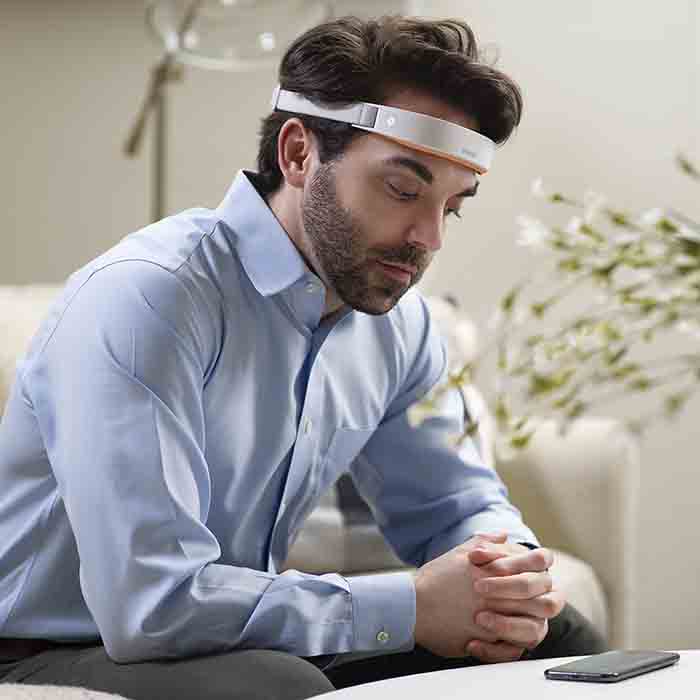
How to choose from all various biofeedback modalities the right one

Choosing the most suitable biofeedback modality for managing migraines requires careful consideration of the individual patient’s needs, preferences, and the specific triggers contributing to their migraines. The effectiveness of a particular biofeedback modality can vary based on these triggers and the underlying causes of an individual’s migraines. Therefore, a personalized approach is essential for optimal results. Since migraines are a complex and heterogeneous condition, different people may experience them due to various reasons.

Consequently, a personalized approach is essential for effective management.

Thus, tailoring the choice of biofeedback modality to the specific characteristics of a person’s migraines can enhance the effectiveness of the intervention.

To illustrate, here’s a breakdown of how biofeedback modalities may be effective based on the type of migraine triggers.

Here’s a breakdown of how biofeedback modalities may be effective based on the type of migraine triggers.

Stress-Related Migraines:

• Biofeedback Modality: HRV (Heart Rate Variability) Biofeedback
• Explanation: Stress can lead to dysregulation of the autonomic nervous system. In this context, HRV biofeedback plays a crucial role by focusing on restoring balance between the sympathetic and parasympathetic branches of the autonomic nervous system. Consequently, it promotes relaxation and helps reduce stress, effectively addressing the imbalance caused by stress.

Muscular Tension-Related Migraines:

• Biofeedback Modality: EMG (Electromyographic) Biofeedback
• Explanation: Muscle tension, especially in the neck and shoulders, is a common trigger for migraines. EMG biofeedback helps individuals become aware of and control muscle tension, promoting relaxation and reducing the likelihood of tension-related migraines.

Vascular-Related Migraines:

• Biofeedback Modality: Temperature Biofeedback
• Explanation: Fluctuations in skin temperature can be linked to changes in blood vessel constriction and dilation, which may contribute to vascular-related migraines. In this regard, temperature biofeedback focuses on regulating skin temperature. As a result, this regulation can potentially impact vascular function, offering a means to manage migraines associated with vascular changes.

Emotional Arousal-Related Migraines:

• Biofeedback Modality: GSR (Galvanic Skin Response) Biofeedback
• Explanation: Emotional arousal, such as heightened stress or excitement, can trigger migraines in some individuals. In this context, GSR biofeedback measures skin conductance, offering insights into emotional states. By learning to modulate these emotional responses, individuals may better manage migraines triggered by emotional factors.

Respiration-Related Migraines:

• Biofeedback Modality: Breathing Biofeedback
• Explanation: Irregular or shallow breathing patterns can contribute to migraines. To address this, breathing biofeedback emphasizes teaching individuals controlled and rhythmic breathing techniques. As a result, this practice promotes relaxation and helps prevent migraines triggered by respiratory factors.

Hormonal Fluctuation-Related Migraines:

• Biofeedback Modality: HRV (Heart Rate Variability) Biofeedback, GSR (Galvanic Skin Response) Biofeedback
• Explanation: Hormonal changes, such as those occurring during the menstrual cycle, can trigger migraines. HRV biofeedback helps regulate the autonomic nervous system, while GSR biofeedback addresses emotional arousal, providing a comprehensive approach for managing hormonal fluctuation-related migraines.

Cervicogenic Migraines (Neck-Related):

• Biofeedback Modality: EMG (Electromyographic) Biofeedback
• Explanation: Muscle tension in the neck or cervical spine may influence migraines. To address this, EMG biofeedback focuses on the neck and shoulder muscles, helping individuals become aware of and control tension in these areas. As a result, this approach may potentially reduce cervicogenic migraine triggers.

Weather-Related Migraines:

• Biofeedback Modality: Temperature Biofeedback
• Explanation: Changes in weather patterns, such as temperature or barometric pressure fluctuations, can trigger migraines in some individuals. Temperature biofeedback aims to help individuals regulate their skin temperature, potentially mitigating weather-related migraine triggers.

Visual or Auditory Stimuli-Related Migraines:

• Biofeedback Modality: GSR (Galvanic Skin Response) Biofeedback
• Explanation:  Bright lights, loud noises, or other sensory stimuli can trigger migraines. In this regard, GSR biofeedback measures emotional arousal, enabling individuals to learn how to modulate their responses to visual or auditory stimuli. Consequently, this can potentially reduce the frequency of migraines.

Sleep Disturbance-Related Migraines:

• Biofeedback Modality: HRV (Heart Rate Variability) Biofeedback
• Explanation:  Irregular sleep patterns or inadequate sleep can contribute to migraines. To address this, HRV biofeedback promotes relaxation and stress reduction. As a result, it may help individuals improve sleep quality, potentially reducing migraine triggers related to sleep disturbances.

Menstrually Related Migraines (MRM):

• Biofeedback Modality: HRV (Heart Rate Variability) Biofeedback, GSR (Galvanic Skin Response) Biofeedback
• Explanation: Hormonal and emotional factors may influence migraines linked to the menstrual cycle. HRV biofeedback addresses autonomic nervous system balance, while GSR biofeedback targets emotional arousal, offering a comprehensive approach for managing menstrually-related migraines.

Vestibular Migraines:

• Biofeedback Modality: Balance and Posture Biofeedback
• Explanation:  Vestibular migraines involve symptoms such as dizziness and coordination problems. In this context, balance and posture biofeedback can assist individuals in improving their awareness of body position and movement. Therefore, this approach may help manage vestibular migraine symptoms more effectively.

Medication Overuse Headaches (MOH):

• Biofeedback Modality: Comprehensive Approach (Combining HRV, EMG, and GSR)
• Explanation:  MOH can result from overusing pain medications. To address this, a comprehensive biofeedback approach targets stress, muscle tension, and emotional factors. As a result, it may help individuals reduce their reliance on medications and manage headaches more effectively.

 Post-Traumatic Migraines:

• Biofeedback Modality: GSR (Galvanic Skin Response) Biofeedback
• Explanation:  Migraines triggered by past trauma may have emotional components. In this case, GSR biofeedback measures emotional arousal, helping individuals modulate their emotional responses. Consequently, this can potentially reduce migraine triggers related to past trauma.

Food and Beverage-Related Migraines:

• Biofeedback Modality: GSR (Galvanic Skin Response) Biofeedback
• Explanation:  Certain foods and beverages can trigger migraines. To manage this, GSR biofeedback addresses emotional arousal, helping individuals regulate their emotional responses to dietary triggers. As a result, this approach may reduce the likelihood of migraines.

Ocular Migraines:

• Biofeedback Modality: Visual Biofeedback (Notable for Neurofeedback/EEG)
• Explanation: Ocular migraines involve temporary vision loss or disturbances. Visual biofeedback, particularly neurofeedback (EEG biofeedback), may help individuals regulate brainwave patterns associated with ocular migraines.

Hypnic Headaches:

• Biofeedback Modality: Temperature Biofeedback, HRV Biofeedback
• Explanation: Hypnic headaches, also known as “alarm clock headaches,” may occur during sleep and wake individuals up. Temperature biofeedback can target vascular changes, and HRV biofeedback may help regulate autonomic responses, potentially contributing to the management of hypnic headaches.

Hormone Replacement Therapy (HRT)-Related Migraines:

• Biofeedback Modality: HRV (Heart Rate Variability) Biofeedback
• Explanation: Migraines associated with hormone replacement therapy may benefit from HRV biofeedback, which can help regulate autonomic responses and mitigate hormonal triggers.

Exertional Headaches:

• Biofeedback Modality: HRV (Heart Rate Variability) Biofeedback, Temperature Biofeedback
• Explanation: Exertional headaches triggered by physical activity may be influenced by autonomic responses and vascular changes. HRV biofeedback addresses autonomic balance, while temperature biofeedback can impact vascular function. Together, these modalities offer a multifaceted approach to managing exertional headaches by targeting both autonomic and vascular components.

Psychogenic Headaches:

• Biofeedback Modality: GSR (Galvanic Skin Response) Biofeedback
• Explanation: Psychogenic headaches with a strong emotional component may benefit from GSR biofeedback, allowing individuals to manage emotional arousal and potentially reduce the impact of psychological triggers.

Chronic Paroxysmal Hemicrania (CPH):

• Biofeedback Modality: EMG (Electromyographic) Biofeedback
• Explanation: CPH, a rare headache disorder, involves severe, short-lived headaches. EMG biofeedback can help address muscle tension, potentially reducing the intensity and frequency of headaches.

Post-Concussion Headaches:

• Biofeedback Modality: Comprehensive Approach (Combining HRV, EMG, GSR)
• Explanation: Post-concussion headaches can be triggered by multiple factors, including stress, muscle tension, and emotional factors. A comprehensive biofeedback approach, which addresses these various components, may help manage post-concussion headaches more effectively.

Tension-Type Headaches:

• Biofeedback Modality: EMG (Electromyographic) Biofeedback
• Explanation: Tension-type headaches, characterized by a persistent band-like pressure, often involve muscle tension. EMG biofeedback specifically targets the recognition and control of muscle tension, potentially reducing both the frequency and severity of tension-type headaches.

Chronic Tension-Type Headaches:

• Biofeedback Modality: Comprehensive Approach (Combining HRV, EMG, GSR)
• Explanation: Chronic tension-type headaches may benefit from a comprehensive biofeedback approach, addressing stress, muscle tension, and emotional factors to provide holistic headache management.

Photophobia-Triggered Migraines:

• Biofeedback Modality: Visual Biofeedback (Notable for Neurofeedback/EEG)
• Explanation: Migraines triggered by sensitivity to light (photophobia) may find relief through visual biofeedback, particularly neurofeedback (EEG biofeedback), which can assist in regulating brainwave patterns associated with sensitivity to light.

The effectiveness of biofeedback modalities can vary among individuals, and a personalized approach, possibly combining different modalities, may be most beneficial for comprehensive migraine management. Combining different biofeedback modalities, such as HRV for stress and EMG for muscle tension, may offer a more comprehensive approach to migraine management. This approach recognizes the multifaceted nature of migraines and addresses multiple contributing factors simultaneously. For example, it is adequate to combine HRV and GSR Biofeedback in stress-related migraines. Before determining the optimal combination, it is crucial to identify the key contributors to an individual’s migraines. Stress, muscle tension, autonomic dysregulation, and physiological imbalances are common factors.

LIST OF REFERENCES

  1. Andrasik, F., Blanchard, E. et al. (1984). Biofeedback and relaxation training for chronic headache: A controlled comparison of booster treatments and regular contacts for long-term maintenance. Journal of Consulting and Clinical Psychology, 52(4), 609-615.
  2. Andrasik, F. (2007). Biofeedback in headache: An overview of approaches and evidence. Cleveland Clinic Journal of Medicine, 74(Suppl 2), S33-S38.
  3. Busch, V., Gaul, C., et al. (2006). Biofeedback for tension-type headache: A systematic review and meta-analysis of randomized controlled trials. European Journal of Neurology, 13(5), 382-387.
  4. Dybvik, T., & Furnes, B. (1999). Tension-type headache: Biofeedback, relaxation, and telephone calls as adjunctive treatments. Headache: The Journal of Head and Face Pain, 39(3), 163-170.
  5. Grazzi, L., Andrasik, F., et al. (2006). Headache and facial pain: Differential diagnosis and treatment. In Advances and Technical Standards in Neurosurgery (Vol. 31, pp. 3-25). Springer.
  6. Guan, Y., Deng, H., et al. (2020). Effectiveness of Biofeedback-Assisted Relaxation for Migraine Relief: A Randomized Controlled Trial. Pain Medicine, 21(3), 493-500.
  7. Nestoriuc, Y., Martin, A., et al. (2008). Biofeedback treatment for headache disorders: A comprehensive efficacy review. Applied Psychophysiology and Biofeedback, 33(3), 125-140.
  8. Penzien, D. B., & Andrasik, F. (2004). Behavioral management of recurrent headache: Three decades of experience and empiricism. Applied Psychophysiology and Biofeedback, 29(1), 2-21.
  9. Ros, T., Munneke, M. A. M., et al. (2010). Endogenous control of waking brain rhythms induces neuroplasticity in humans. European Journal of Neuroscience, 31(4), 770-778.
  10. Sorbi, M. J., Mak, S. B., et al. (2006). Pulse rate variability is not a valid indicator for sympathetic tone during a tilt test in migraine patients. Autonomic Neuroscience, 126-127, 213-219.

Nomophobia treatment

Nomophobia treatment. Biofeedback.

In the digital era, the pervasive phenomenon of Nomophobia, or the fear of being without one’s mobile phone, has given rise to a pressing need for effective interventions. Among the innovative approaches, Nomophobia treatment through biofeedback emerges as a promising solution. Leveraging advanced technology, Biofeedback offers a tailored and dynamic method to address the escalating concerns associated with smartphone dependency. This treatment modality allows individuals to gain insight into their physiological responses during moments of phone separation anxiety, fostering self-awareness and real-time control. By combining the power of biofeedback modalities technology with personalized interventions, Nomophobia treatment aims to empower individuals to manage and alleviate the adverse effects of smartphone-related stress, promoting a healthier and more balanced relationship with digital devices.

What is nomophobia?

New technologies have become an integral part of our lives. Rapidly spreading worldwide, smartphones and their applications play a key role in social connections, expression, information sharing, and achievement development. Smartphones have become essentials rather than accessories due to their capacity to perform many tasks with features including advanced operating systems, touch screens, and internet access. Information is easily transmitted and received through text messages, phone calls, emails, faxes, games, movies, videos, and social media. 

Smartphones can also combine services, such as “commutainment” (entertainment and communication) and “edutainment” (education and entertainment). Like other modern technologies, many variables must be considered in evaluating their overall benefit and utility. For example, while smartphones provide ready, convenient access to the internet and a sense of comfort and connection to others, they may also result in unhealthy, harmful psychological dependency, anxiety, and possible fear. Smartphones have countless impacts on our lives, potentially including problematic health issues that may develop due to overuse.

The increasingly symbiotic relationship between humans and their handheld devices has given rise to a new psychological phenomenon known as nomophobia, or the fear of being without one’s mobile phone. This modern malady underscores the profound impact of technology on our lives, raising questions about how it alters not only our behavior but also our very brains.

Is Nomophobia a Mental Disorder or Behavioral Addiction?

NOMOPHOBIA or NO MObile PHONE PhoBIA describes a psychological condition when people fear being detached from mobile phone connectivity (being out of contact with a mobile phone, having no mobile networks, or having insufficient balance or battery). The term NOMOPHOBIA is constructed from definitions in the DSM-IV; it has been labeled as a “phobia for particular/specific things.

It’s not officially recognized as a mental disorder in the Diagnostic and Statistical Manual of Mental Disorders (DSM-5). Still, it is often used informally to describe the emotional and psychological distress that can result from being separated from one’s mobile device. While it’s not an officially recognized phobia, it can have a tangible impact on a person’s daily life and mental well-being.

In contrast to other forms of addiction, such as gaming or gambling addiction, which has been categorized as a distinct disease entity according to the International Classification of Disease (ICD), excessive smartphone use is a more general behavioral addiction that has not been officially classified as a disorder. Compared with drug dependence, which affects structural and functional neural correlates through chemical pathways, changes associated with behavioral addiction are more likely through operant learning that involves rewards and punishments for behavioral impacts.

Common symptoms of nomophobia

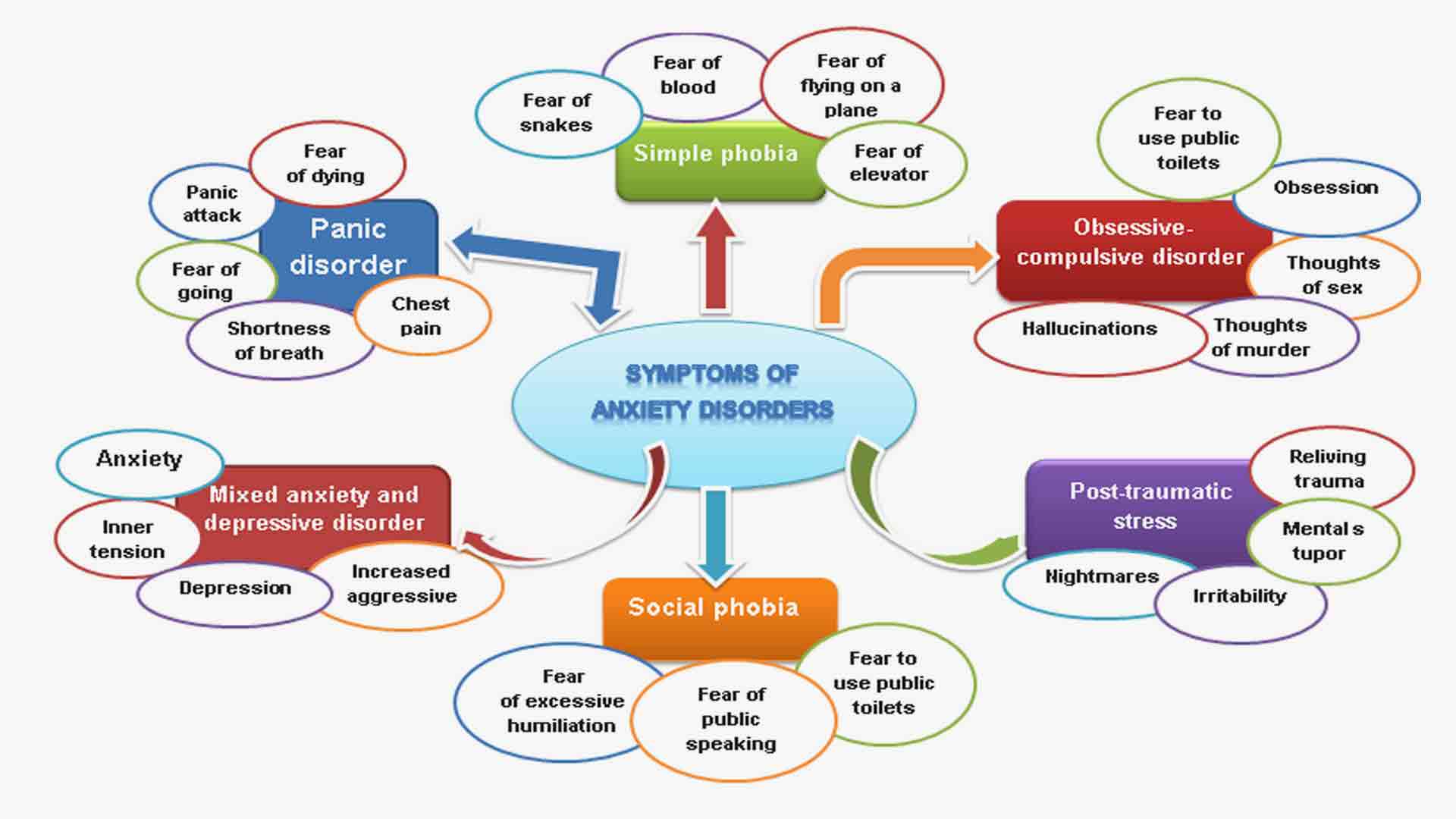
The symptoms of nomophobia include anxiety, panic attacks, and agitation when the phone is not in one’s possession, physical symptoms like trembling, sweating, tachycardia, and disorientation when without the phone, and a persistent need to have the phone within reach at all times. These symptoms are often driven by a deep-seated fear of disconnection, isolation, or the inability to communicate and access information, aligning with the concept of nomophobia.

The below-mentioned signs and symptoms are observed in Nomophobia cases

  • Anxiety
  • Respiratory alterations
  • Trembling
  • Perspiration
  • Agitation
  • Disorientation
  • Tachycardia.
  • Irritability or restlessness when unable to use the phone.

Prevalence of nomophobia

Nomophobia, or the fear of being without a mobile phone, affects a significant percentage of college students. Estimates range from 18.5% to 73%, depending on various factors. These factors include age, gender, self-image, self-esteem, self-efficacy, and impulsivity. People with nomophobia often keep their phones on at all times, even during sleep. Many carry an extra phone, charger, or battery as a backup in case they lose their device or run out of battery.

One study revealed that 95% of individuals use smartphones to watch YouTube, WhatsApp, or other media to help them fall asleep. Furthermore, 72% said they couldn’t be far from their phones and typically keep their devices within five feet. The prevalence of nomophobia is similar in both developed and developing countries, with estimates ranging from 77% to 99%, especially among young adults.

Nomophobia treatment in children

Nomophobia is not limited to adults; children and adolescents are equally susceptible to this phenomenon. Defined as the fear or anxiety associated with being separated from one’s mobile phone, it often manifests as an intense reliance on smartphones for social validation, entertainment, and a sense of security. It can result in various behavioral and emotional changes in young individuals.

Causes and predisposition for nomophobia

  1. Certain people are more susceptible to developing nomophobia. Factors that can accelerate the chances of developing the condition are the:
  • Pre-existing anxiety
  • Low self-esteem
  • Struggles with emotional regulation
  • Insecure attachment styles
  • A lack of personal relationships

A variety of predisposing factors can influence nomophobia. These factors can vary from person to person, and the development of nomophobia often results from a combination of multiple influences. 

Predisposing factors

  1. Smartphone Dependency: Excessive smartphone use and reliance on the device for communication, entertainment, and information can predispose individuals to nomophobia. The more dependent one becomes on their smartphone, the more likely they are to experience anxiety when separated from it.
  2. Attachment Style: People with anxious attachment styles may be more prone to nomophobia, which is characterized by a strong need for emotional closeness and reassurance. In this context, the smartphone often serves as a tool for seeking constant connection and validation. As a result, it can reinforce the need for continual reassurance.
  3. Social Media Usage: Heavy social media use and the pursuit of social validation online can contribute to nomophobia. Specifically, the constant craving for likes, comments, and interactions amplifies the fear of missing out. Consequently, this intensifies the desire to remain constantly connected.
  4. Accessibility and Availability of Technology: The ease of access to smartphones and the constant availability of technology can make it more likely for individuals to become dependent on their devices.
  5. FOMO (Fear of Missing Out): The fear of missing out on social events, news, or online interactions can be a powerful driver of nomophobia. Individuals who experience a strong FOMO are more likely to be anxious when not connected to their phones.

Psychological predisposing factors

  1. Previous Negative Experiences: Past negative experiences, such as missing important messages or events due to being without a phone, can contribute to the fear of being without one’s mobile device.
  2. Family or Cultural Factors: Family dynamics and cultural norms can influence smartphone usage and the development of nomophobia. In some cultures, constant connectivity may be emphasized, leading to greater phone dependency.
  3. High Stress and Anxiety Levels: Individuals experiencing high levels of stress and anxiety may be more susceptible to developing nomophobia. In these cases, the smartphone often becomes a tool for distraction and a coping mechanism for anxiety. Over time, this reliance on the device can grow, reinforcing the dependency.
  4. Low Self-Esteem: Individuals with low self-esteem may use their smartphones to boost their self-worth through social media validation. The fear of being without the device can be linked to a fear of losing this source of self-esteem.
  5. Peer Pressure: Social pressures and peer influence can play a significant role in developing nomophobia. If a person’s peers are constantly connected and expect them to be as well, it can create a fear of social exclusion.
Nomophobia treatment in schoolchildren

11. Childhood Exposure: Early exposure to smartphones and mobile technology can impact a person’s attachment to these devices. Growing up with constant access to smartphones can contribute to a stronger dependency.

It’s important to note that these factors can interact and compound, leading to the development of nomophobia. Additionally, individual vulnerabilities and predispositions can vary, making each person’s experience of nomophobia unique. Understanding these predisposing factors can help address and manage nomophobia through awareness, self-regulation, and, if necessary, professional support.

What mental conditions can contribute to and potentially accelerate development of nomophobia

Several mental health conditions and psychological factors can contribute to and potentially accelerate the development of nomophobia (the fear of being without one’s mobile phone). It’s important to note that these conditions may not directly cause nomophobia but can increase the likelihood and severity of the condition. 

Mental health conditions

  1.  Generalized Anxiety Disorder (GAD):  Individuals with Generalized Anxiety Disorder (GAD) often experience excessive and uncontrollable worry about many areas of their lives. As a result, this chronic anxiety can increase their susceptibility to the fear and stress linked to being without their mobile phones. Consequently, the anxiety associated with separation from their phones may be heightened in those with GAD.
  2. Social Anxiety Disorder:  Social anxiety often includes a fear of social interactions and judgment. In response, smartphones can act as a coping mechanism by offering a distraction and creating a buffer from direct social engagement. As a result, this reliance on phones can increase, potentially deepening the dependency on the device to avoid uncomfortable face-to-face interactions.
  3. Obsessive-Compulsive Disorder (OCD):  Obsessive-Compulsive Disorder (OCD) is characterized by intrusive and distressing thoughts (obsessions) and repetitive behaviors or mental acts (compulsions). In this context, checking and rechecking the smartphone for messages or notifications can become a compulsive behavior. Consequently, this behavior can intensify the fear of being without the phone, reinforcing the cycle of dependence.
  4. Attention-Deficit/Hyperactivity Disorder (ADHD):  ADHD is associated with challenges in impulse control and attention regulation. As a result, individuals with ADHD may be more prone to excessive smartphone use. Consequently, this increased usage can elevate the risk of developing nomophobia.
  5. Post-Traumatic Stress Disorder (PTSD): PTSD can lead to hypervigilance and heightened anxiety. In this scenario, constantly checking the smartphone may serve as a strategy to remain alert for potential threats. As a result, this behavior can contribute to increased phone dependence.

Psychological factors

  1. Depression:  People with depression may turn to their smartphones for distraction and emotional relief. In this way, constant smartphone use can temporarily escape negative emotions. Consequently, this reliance on the device can develop into a dependency, further reinforcing its role in managing their emotional state.
  2. Substance Abuse Disorders: Individuals with substance abuse issues may use smartphones to connect with their support networks or to distract themselves from cravings and withdrawal symptoms. In this context, smartphones can become crucial for managing their condition. As a result, this can lead to a strong dependence on the device.
  3. Negative Body Image and Eating Disorders:  Individuals with body image issues may use their phones for reassurance or distraction. In this context, the fear of being without a smartphone can be closely linked to the fear of confronting negative body image thoughts without a distraction. Thus, the reliance on the phone can intensify, serving as a way to avoid these distressing thoughts.
  4. Stress and Burnout:  Chronic stress and burnout often require constant distraction and relief. As a result, individuals may turn to their smartphones excessively, seeking an escape from their stress and burnout. Consequently, this can lead to increased smartphone usage and dependence.
  5. Cyberbullying: Experiences of cyberbullying can lead to increased phone reliance, as individuals may want to stay informed about online threats or negative comments.

It’s essential to recognize that these mental health conditions can interact with individual vulnerabilities and other life circumstances, potentially accelerating the development of nomophobia. Therefore, treating and managing the underlying mental health condition is crucial, as is addressing smartphone dependency. By doing so, individuals can prevent or alleviate nomophobia. If you or someone you know is experiencing these mental health conditions along with smartphone-related anxieties, seeking professional help is advisable.

Impact of nomophobia to the health

Nomophobia can have various effects on an individual’s health, encompassing both mental and physical well-being. Here are some ways in which nomophobia can impact health.

Mental Health Impacts

  1. Increased Stress and Anxiety: The constant need to be connected and the fear of missing out can lead to heightened stress and anxiety levels. The anticipation of not having a mobile phone or being unable to check messages may induce a persistent state of anxiety.
  2. Sleep Disturbances: Excessive use of mobile phones, especially before bedtime, can disrupt sleep patterns. Screens emit blue light that can interfere with the production of melatonin, a hormone essential for sleep regulation, potentially leading to insomnia.
  3. Impaired Cognitive Function: Constantly checking messages and notifications can contribute to cognitive overload. This continuous cognitive stimulation may affect concentration, memory, and overall cognitive function.
  4. Social Isolation: Paradoxically, while mobile phones facilitate virtual connections, nomophobia can lead to social isolation. Individuals may withdraw from face-to-face interactions, relying more on digital communication, impacting social skills and relationships.
  5. Negative Impact on Mental Health: Over time, the fear of being without a mobile phone can contribute to the development or exacerbation of mental health conditions such as depression and social anxiety. It may also lead to a diminished sense of well-being.

Physical Health Impacts and Productivity Concerns

  1. Physical Health Issues: Using smartphones can contribute to physical health problems, including eye strain, neck and back pain (text neck), and repetitive strain injuries from prolonged phone use.
  2. Reduced Productivity: Nomophobia may lead to decreased productivity, as individuals may find it challenging to focus on tasks without the constant distraction of their phones. This can affect work and academic performance.
  3. Compromised Personal Relationships:  Excessive phone use and the fear of separation from one’s device can strain personal relationships. For instance, individuals may prioritize their phones over face-to-face interactions, leading to misunderstandings and emotional distance. As a result, this shift in focus can affect the quality of personal connections and communication.
Nomophobia treatment - academic performance
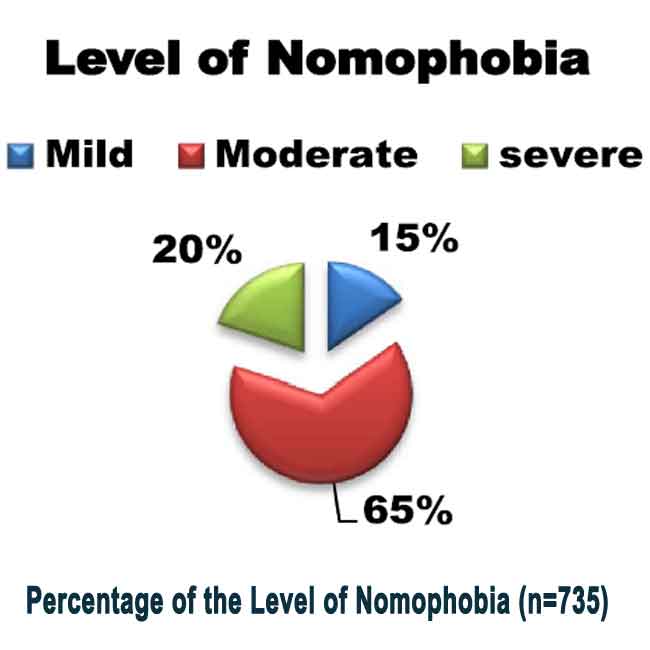
Level of Nomophobia

It is essential to recognize the potential health impacts of nomophobia and take proactive steps to foster a healthy relationship with technology.

What changes in behavior cause nomophobia

Nomophobia can lead to various changes in behavior. These behavioral changes can significantly impact an individual’s daily life, relationships, and well-being. Common behavioral changes associated with nomophobia include:

Behavioral Changes Affecting Daily Life

  1. Excessive Smartphone Use: People with nomophobia tend to use their smartphones excessively, often checking their devices for messages, notifications, or updates even when it’s not necessary. This behavior can lead to reduced productivity and increased distraction.
  2. Avoidance of Certain Situations: Individuals with nomophobia may avoid situations or places where they know they won’t have phone signals or access to their phones. This can affect their willingness to engage in social activities, travel, or attend events.
  3. Reduced Face-to-Face Social Interaction: Excessive phone use can decrease in-person social interactions. People with nomophobia may prioritize virtual connections over real-world relationships, impacting their ability to build and maintain meaningful connections with others.
  4. Increased Anxiety and Stress: Constantly checking the phone for messages or updates can lead to heightened anxiety and stress levels. This behavior can respond to the fear of missing out (FOMO) on important information or social interactions.
  5. Sleep Disruption: Smartphones, often associated with nomophobia, can disrupt sleep patterns before bedtime. Blue light emitted by screens can interfere with the body’s production of melatonin, a hormone that regulates sleep, leading to insomnia or poor sleep quality.
  6. Impaired Concentration and Productivity: Frequent phone checking and social media use can make it difficult for individuals to focus on tasks, whether at work or school, reducing productivity and concentration. Some research has found a strong association between academic performance and nomophobia and shows weaker academic performance among students with severe nomophobia.

Safety Concerns and Relationship Impact

  1. Distraction While Driving: Nomophobia can lead to dangerous behavior, such as using a smartphone while driving. Distracted driving is a significant safety concern and can lead to accidents.
  2. Negative Impact on Mental Health: The constant need to be connected can contribute to feelings of loneliness, depression, and anxiety. This behavioral change can have long-term consequences for mental well-being.
  3. Relationship Issues: Nomophobia can strain personal relationships, as partners or family members may feel neglected or frustrated when someone is more focused on their phone than on spending time with loved ones.
  4. Difficulty Disconnecting: People with nomophobia often find it challenging to disconnect from their phones, even during vacations or leisure time. This can prevent them from fully enjoying moments of relaxation.

It’s important to recognize these behavioral changes associated with nomophobia, as they can negatively impact an individual’s quality of life.

What changes in brain and its function cause nomophobia

There is ongoing research into the specific changes in the brain that may be associated with nomophobia. However, some research suggests that the fear and anxiety associated with nomophobia may be linked to changes in brain activity and neurochemistry, similar to other forms of addiction or anxiety disorders. Here are some potential brain-related factors:

Neurochemical and Brain Activity Changes

1. Dopamine Release: When individuals receive notifications or messages on their phones, their brain releases dopamine. This neurotransmitter is linked to pleasure and reward. Over time, excessive smartphone use can change the brain’s reward system. As a result, people may become more dependent on their phones for these pleasurable experiences.

2. Cortisol Levels: The constant need to check and respond to messages, notifications, or social media updates can create a sense of pressure and stress, leading to increased levels of the stress hormone cortisol in the brain. Chronic stress can have negative effects on brain health.

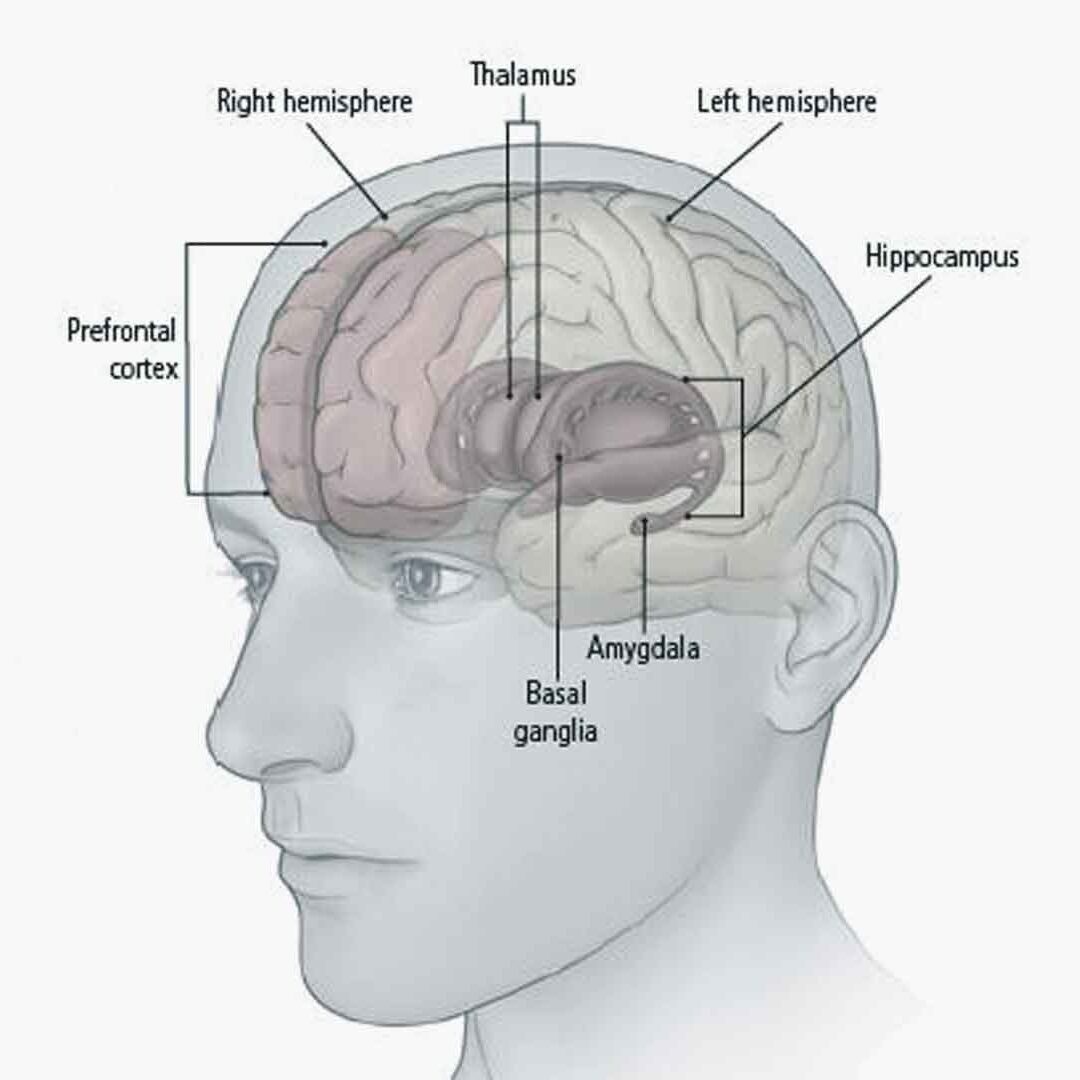
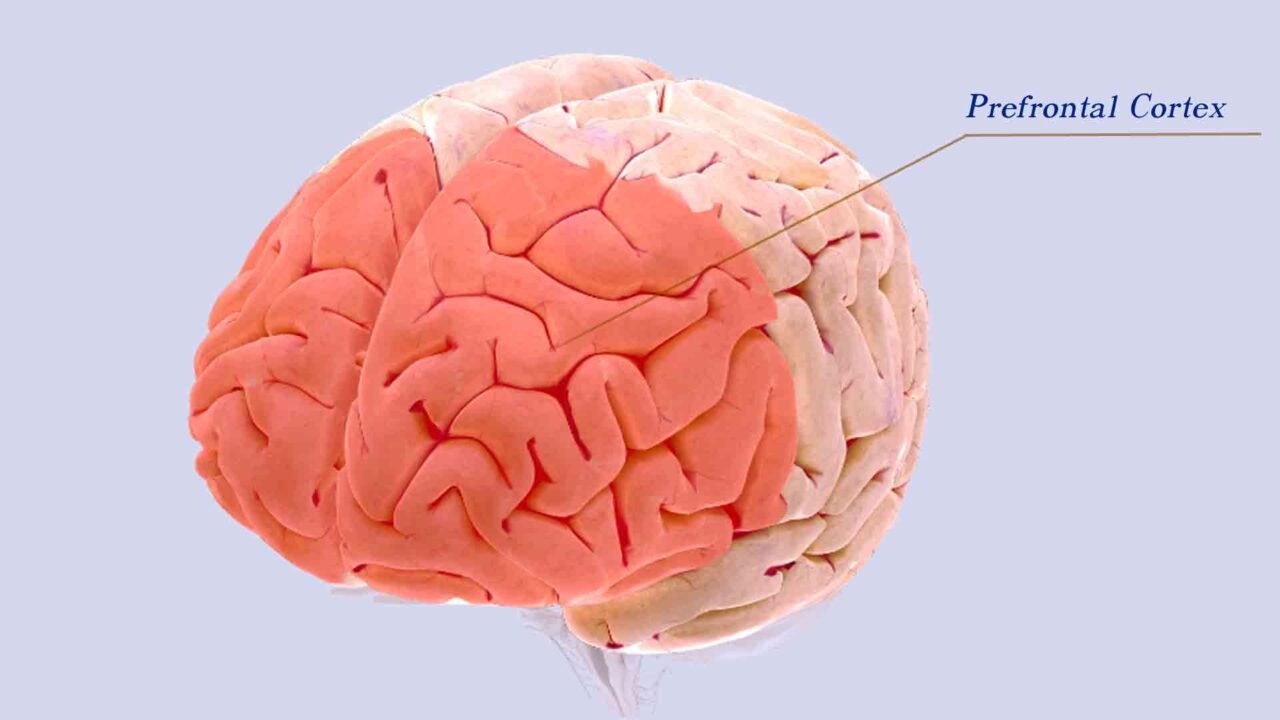
3. Prefrontal Cortex Activity: The prefrontal cortex involves decision-making and impulse control. Excessive smartphone use may alter the functioning of this region, making it harder for individuals to resist the urge to check their phones constantly.

4. Altered Sleep Patterns: Overuse of smartphones, especially at night, can disrupt sleep patterns due to the blue light emitted by screens. Sleep disruption can affect cognitive functions and mood regulation.

Structural Brain Changes and Neuroplasticity

  1. Gray Matter Atrophy
    Research has indicated atrophy (shrinkage or tissue volume loss) related to the brain’s reward pathways in gray matter areas. Notable volume loss was observed in the striatum, which is involved in reward processing and impulse control.
  2. Damage to the Insula
    Damage to the insula, an area involved in empathy, compassion, and integrating physical signals with emotion, has been linked to nomophobia. This damage can affect personal relationships and emotional depth.
  3. Neuroplasticity: The brain is highly adaptable and can rewire itself based on repeated behaviors. If a person is constantly engaged with their smartphone, the brain may reorganize its neural connections to prioritize this behavior, potentially at the expense of other essential activities and interactions.
  4. Individual Variability
    The specific neural changes associated with nomophobia can vary from person to person. More research is needed to fully understand the neurological aspects of nomophobia and how excessive smartphone use affects brain function and mental health.

It’s important to note that these changes are not unique to nomophobia but are generally related to excessive smartphone use. The specific neural changes associated with nomophobia may vary from person to person, and more research is needed to fully understand this phenomenon’s neurological aspects. Additionally, the impact of excessive smartphone use on brain function and mental health can vary depending on the individual and the extent of their phone dependency.

Prevention of nomophobia development

Preventing or proactively addressing nomophobia (the fear of being without one’s mobile phone) involves a combination of awareness, self-regulation, and healthy technology habits. Here are some strategies for nomophobia prophylaxis:

Strategies for Managing Smartphone Use

1. Digital Detox Days: Designate regular “digital detox” days where you intentionally disconnect from your smartphone and other devices. This can help you become less reliant on your phone for entertainment and social interaction.

2. Set Boundaries: Establish clear boundaries for smartphone use. For example, avoid using your phone during meals, in the bedroom, or other essential activities. Stick to these boundaries to prevent excessive phone use.

3. Silent Hours: Designate certain hours of the day as “silent hours” where you turn off or silence your phone. This can provide a break from notifications and constant connectivity.

4. Selective Notifications: Customize your smartphone’s notification settings. Turn off non-essential notifications or set them to “Do Not Disturb” during specific hours to reduce constant interruptions.

5. Offline Activities: Engage in offline activities that you enjoy, such as hobbies, exercise, or face-to-face social interactions. These activities can help reduce the time spent on your phone.

6. Digital Well-Being Tools: Many smartphones offer digital well-being features that can help you track and manage your screen time. Use these tools to set daily limits on app usage.

7. Mindfulness and Relaxation: Practice mindfulness and relaxation techniques to manage stress and anxiety without relying on your phone. This can help reduce the need to check your device constantly.

Proactive Measures and Support

  1. Self-Awareness: Reflect on your smartphone usage and its impact on your daily life. Recognize the situations or emotions that trigger your nomophobia and work on addressing them.
  2. Seek Support: If nomophobia is significantly affecting your life and well-being, consider seeking support from a mental health professional or a therapist. They can help you explore the root causes and develop coping strategies.
  3. Parental Guidance: Parents are crucial in preventing nomophobia in children and adolescents. They should set limits on screen time, educate them about the potential negative effects of excessive smartphone use, and encourage a healthy balance between online and offline activities.
  4. Education: Stay informed about the potential risks of excessive smartphone use and educate yourself about digital well-being. The more you know about technology’s impact on your life, the better equipped you are to make informed choices.
  5. Role Modeling: Be a role model for responsible smartphone use. Children and adolescents often learn by observing the behavior of adults, so demonstrate a healthy relationship with your phone.

Prophylaxis for nomophobia involves taking a balanced and mindful approach to smartphone usage. It involves understanding the role of technology in your life, recognizing the signs of dependency, and actively taking steps to maintain control over your digital habits. By implementing these strategies, you can reduce the risk of developing nomophobia or mitigate its effects if you’re already experiencing it.

Preventing nomophobia in children

To prevent nomophobia in children, it is necessary to establish healthy digital habits, foster responsible technology use, and promote a balanced relationship with smartphones and other devices. Here are some strategies for preventing nomophobia in young individuals:

Building Healthy Digital Habits

1. Educate About Digital Well-Being:
Start by educating children and adolescents about the potential risks of excessive smartphone use, including the development of nomophobia. Teach them to recognize the signs of smartphone dependency.

2. Set Screen Time Limits:
Establish daily screen time limits for the recreational use of smartphones and other devices. Consider using parental control apps or built-in features to enforce these limits.

3. Create Tech-Free Zones:
Designate specific areas in the home where smartphone use is not allowed, such as the dinner table, bedrooms, and study areas. These zones promote face-to-face interactions and better sleep habits.

4. Encourage Outdoor Activities:
Promote outdoor activities, physical exercise, and hobbies that do not involve screens. Encourage children and adolescents to explore the natural world and engage in physical play.

5. Model Responsible Behavior:
Be a positive role model by demonstrating responsible smartphone use. Show that you can disconnect from your phone and prioritize in-person interactions.

6. Open Communication:
Create an open and non-judgmental environment where children and adolescents can discuss their feelings and experiences related to smartphone use. Encourage them to talk about any anxieties or insecurities they may have.

7. Teach Time Management:
Help children and adolescents develop practical time management skills. Teach them how to allocate time for homework, chores, relaxation, and digital entertainment.

8. Set Tech-Free Bedtime Rituals:
Establish tech-free bedtime rituals to help children and adolescents unwind and prepare for restful sleep. Encourage them to leave their phones outside the bedroom to avoid sleep disruption.

Enhancing Social and Emotional Well-Being

1. Monitor Online Activity:
Keep an eye on your child’s online activity, especially on social media platforms. Be aware of any cyberbullying or negative experiences that may contribute to anxiety.

2. Limit Social Media Comparison:
Discuss the potentially harmful effects of comparing oneself to others on social media. Teach children and adolescents to appreciate their uniqueness and self-worth.

3. Teach Digital Literacy:
Promote digital literacy and critical thinking skills. Help young individuals recognize and evaluate the credibility of online information.

4. Encourage Offline Social Interactions:
Foster opportunities for children and adolescents to interact with peers in person. Encourage group activities, playdates, and involvement in clubs or sports.

5. Reward Offline Achievements:
Recognize and reward offline achievements, such as academic success, sports accomplishments, or creative endeavors. Celebrate non-digital milestones.

6. Seek Professional Help if Necessary:
If you notice signs of nomophobia or severe smartphone dependency in a child or adolescent, seek the guidance of a mental health professional. They can provide specialized support and intervention.

Preventing nomophobia in children and adolescents requires a holistic approach that combines awareness, parental involvement, education, and cultivating a balanced digital lifestyle. Parents and caregivers can help young individuals develop healthy relationships with technology and reduce the risk of experiencing nomophobia by taking proactive steps and providing guidance.

You can check if you have nomophobia by answering this questionnaire.

What is nomophobia treatment?

Treatment for nomophobia, like treatment for other technology-related behavioral issues, focuses on reducing dependency, managing anxiety, and establishing healthier habits around smartphone use. Here are some strategies and treatments that can help address nomophobia:

Therapeutic Approaches for Nomophobia

1. Cognitive-Behavioral Therapy (CBT): CBT is a common therapeutic approach for treating anxiety disorders. A therapist can work with individuals to identify and challenge irrational thoughts and behaviors related to their smartphone use and fear of being without it.

2. Exposure Therapy: This type of therapy involves gradually exposing individuals to situations where they would typically experience anxiety due to being without their phone. Over time, this can help desensitize them to the fear.

3. Mindfulness and Relaxation Techniques: Learning mindfulness and relaxation exercises can help individuals manage anxiety and stress associated with nomophobia. Breathing exercises, meditation, and yoga can be beneficial.

4. Coping Skills Training: Therapists can teach individuals healthy coping mechanisms to deal with the fear of being without their phone. This may include identifying alternative activities and strategies for managing anxiety.

5. Setting Boundaries: Establishing clear boundaries for smartphone use is essential. This can involve creating designated “phone-free” times or places, such as during meals or in the bedroom.

6. Digital Detox: Periodically disconnecting from the smartphone for an extended period can help break the cycle of dependency. Some individuals may benefit from technology-free weekends or vacations.

Additional Strategies and Support

1. Support Groups: Joining support groups or seeking the support of friends and family who understand the issue can be beneficial. Sharing experiences and strategies for managing smartphone use can provide a sense of community and accountability.

2. Behavioral Interventions: Behavior modification techniques, such as reward systems for reducing smartphone use, can be effective. Positive reinforcement for meeting goals can help individuals gradually reduce their phone attachment.

3. Educational Workshops: Some organizations and mental health professionals offer workshops or educational sessions on digital well-being and smartphone addiction. These can provide information and tools to manage smartphone use effectively.

4. Self-Help Apps: Various smartphone apps help individuals track and manage their phone usage. These apps can provide insights into usage patterns and help set limits.

5. Consultation with a Mental Health Professional: If nomophobia significantly impacts an individual’s life and well-being, it may be advisable to consult with a mental health professional, such as a psychologist or psychiatrist, for a personalized treatment plan.

Treatment for nomophobia should be tailored to the individual’s specific needs and the severity of the condition. It’s important to remember that addressing nomophobia is not about eliminating smartphone use but about finding a healthy balance and reducing the negative impact of excessive phone dependency on one’s life.

Biofeedback in nomophobia treatment

Biofeedback is a therapeutic technique that helps individuals gain awareness and control over physiological processes in their bodies, such as heart rate, muscle tension, and skin conductance. While biofeedback is not typically used as a direct treatment for nomophobia, it can be a valuable component of a broader treatment plan aimed at managing anxiety and stress, which are often associated with nomophobia. Here’s how biofeedback can be integrated into the treatment of nomophobia:

Integrating Biofeedback into Nomophobia Treatment

1. Stress Management: Nomophobia is often accompanied by stress and anxiety. Biofeedback can teach individuals how to recognize and reduce the physiological signs of stress, such as increased heart rate and muscle tension. By learning to control these responses, individuals can better manage the anxiety that can trigger their dependence on their smartphones.

2. Self-Regulation: Biofeedback helps individuals develop self-regulation skills. By monitoring their physiological responses in real time, they can learn to control their responses consciously. This can be particularly useful for individuals who experience anxiety when separated from their phones.

3. Relaxation Techniques: Biofeedback training often involves teaching relaxation techniques, such as deep breathing and progressive muscle relaxation. These techniques can counter the anxiety and restlessness associated with nomophobia.

4. Awareness: Biofeedback can enhance awareness of one’s physiological responses to stress, including the physical sensations that may accompany nomophobia. This increased awareness can help individuals recognize their anxiety triggers and develop strategies to cope with them.

Tools and Integration

1. Biofeedback Apps and Wearables: Biofeedback apps and wearable devices can measure and provide real-time feedback on physiological parameters. These tools can help individuals track and manage their stress and anxiety, making it easier to address the emotional aspects of nomophobia.

2. Integration with Other Therapies: Biofeedback can be integrated into a broader treatment plan that includes cognitive-behavioral therapy (CBT) or exposure therapy, which are commonly used to address anxiety-related issues like nomophobia. Biofeedback can complement these therapies by helping individuals manage the physical symptoms of anxiety.

3. Comprehensive Approach
Biofeedback should be part of a broader treatment plan rather than a standalone solution for nomophobia. Mental health professionals can help integrate biofeedback with other therapeutic approaches to address both psychological and emotional aspects of nomophobia.

It’s important to note that biofeedback is not a standalone treatment for nomophobia but rather a component of a comprehensive approach. A mental health professional, such as a therapist or psychologist, can work with individuals to determine how best to integrate biofeedback into their treatment plan and address the psychological and emotional aspects of nomophobia. The goal is to help individuals manage their anxiety and stress in healthier ways, ultimately reducing their dependency on their smartphones.

What biofeedback modalities can be used for nomophobia treatment?

Various modalities of biofeedback can be used, and the choice of modality depends on the specific physiological factors contributing to an individual’s nomophobia. Here are some common biofeedback modalities and how they can be used:

Common Biofeedback Modalities

1. Heart Rate Variability (HRV) Biofeedback:

  • How it works: HRV biofeedback measures the variations in time between successive heartbeats. It reflects the balance between the autonomic nervous system’s sympathetic (fight or flight) and parasympathetic (rest and digest) branches.
  • Relevance to nomophobia treatment: Many individuals with nomophobia experience increased heart rate and a “fight or flight” response when separated from their phones or experiencing phone-related anxiety. HRV biofeedback can help individuals learn to regulate their autonomic nervous system, reduce heart rate, and promote relaxation.

2. Electrodermal Activity (EDA) Biofeedback:

  • How it works: EDA biofeedback measures skin conductance or sweat gland activity. It reflects the activity of the sympathetic nervous system, which is responsible for the body’s stress response.
  • Relevance to nomophobia treatment: People with nomophobia often experience increased sweat gland activity when they are anxious about being without their phones. EDA biofeedback can help individuals recognize and control these physiological responses, leading to decreased anxiety and improved stress management.

3. Respiration Biofeedback:

  • How it works: Respiration biofeedback involves monitoring and controlling one’s breathing patterns. It helps individuals achieve a balanced and controlled breathing rate.
  • Relevance to nomophobia treatment: Anxiety often leads to shallow and rapid breathing. Respiration biofeedback can teach individuals to slow and engage in deep, diaphragmatic breathing, which triggers the body’s relaxation response. This can help counteract the stress response associated with nomophobia.

Additional Biofeedback Modalities

1. Temperature Biofeedback:

  • How it works: Temperature biofeedback measures skin temperature, influenced by blood flow and circulation. It is linked to the body’s relaxation response.
  • Relevance to nomophobia treatment: Stress and anxiety can lead to peripheral vasoconstriction (reduced blood flow to the extremities), resulting in cold hands and feet. Temperature biofeedback can help individuals increase peripheral blood flow and warm their extremities, promoting relaxation and reducing the physical symptoms of anxiety.

2. Muscle Electromyography (EMG) Biofeedback in nomophobia treatment:

  • How it works: EMG biofeedback measures muscle tension and provides feedback on muscle activity.
  • Relevance to nomophobia treatment: People with nomophobia may experience muscle tension and physical discomfort when separated from their phones or when they experience anxiety related to phone use. EMG biofeedback can help individuals recognize and reduce muscle tension, promoting physical relaxation.

The biofeedback modality for treating nomophobia should be based on an individual’s physiological responses and needs. In therapy, a trained professional can conduct an assessment to determine which modality would be most effective. The goal of using biofeedback is to increase self-awareness, develop self-regulation skills, and reduce the physiological markers of anxiety and stress, ultimately helping individuals manage their nomophobia-related symptoms more effectively.

EEG (Electroencephalography) biofeedback in nomophobia treatment

EEG (Electroencephalography) biofeedback, also known as neurofeedback, is a therapeutic technique that involves real-time monitoring of brainwave activity to provide individuals with information about their brain functioning. Although researchers have only recently started applying EEG biofeedback specifically for nomophobia, they can explore the general principles of qEEG-based neurofeedback to manage the underlying factors contributing to the condition.
Here’s how EEG biofeedback could be considered for the treatment of nomophobia:

Understanding Brain Activity in Nomophobia:

1. Identifying Stress Patterns:

  • EEG biofeedback allows for identifying specific brainwave patterns associated with stress and anxiety.
  • Nomophobia often involves heightened stress responses when individuals are separated from their phones. EEG can pinpoint these stress-related brainwave patterns.

2. Neurological Correlates of Nomophobia:

  • Research could be conducted to identify neurological correlates of nomophobia using EEG technology.
  • Understanding how the brain responds during situations that trigger nomophobia could inform targeted neurofeedback interventions.

Potential Benefits of EEG Biofeedback in Nomophobia Treatment

Self-Regulation Training:
  • EEG biofeedback enables individuals to learn how to regulate their brain activity consciously.
  • Nomophobia treatment can involve training individuals to self-regulate their stress responses by modulating specific brainwave patterns associated with anxiety.
Alpha-Theta Training:
  • Alpha-theta neurofeedback has been used for anxiety and stress management.
  • This biofeedback involves enhancing alpha brainwaves (associated with relaxation) and theta brainwaves (associated with deep relaxation and creativity). It could potentially help individuals achieve a calmer state, reducing nomophobia-related stress.
Cognitive Behavioral Therapy Enhancement:
  • EEG biofeedback can complement traditional therapeutic approaches like Cognitive Behavioral Therapy (CBT).
  • By incorporating neurofeedback, individuals may gain insights into the physiological aspects of their anxiety and enhance the effectiveness of cognitive strategies to manage nomophobia.
Real-Time Feedback during Exposure:
  • Individuals can receive real-time feedback during exposure to situations that trigger nomophobia.
  • The biofeedback process can help individuals understand and control their physiological responses, gradually reducing the anxiety associated with being without a mobile phone.
Individualized Treatment Plans:
  • EEG biofeedback allows for individualized treatment plans based on the unique brainwave patterns of each person.
  • Tailoring interventions to address specific neurological aspects contributing to nomophobia enhances the effectiveness of the treatment.

Neurofeedback Protocols for Nomophobia:

Alpha Training (Occipital Lobe – O1, O2):
  • Aim: Increase alpha brainwave activity.
  • Rationale: Alpha waves are associated with relaxation and a calm mental state. Training individuals to enhance alpha activity may help reduce overall stress and anxiety related to nomophobia.
Theta Training (Frontal Lobe – F3, F4):
  • Aim: Increase theta brainwave activity.
  • Rationale: Theta waves are associated with deep relaxation and creativity. By encouraging theta activity, individuals may experience a more tranquil mental state, potentially alleviating the anxiety associated with phone separation.
SMR (Sensory-Motor Rhythm) Training (Central Cortex – C3, C4):
  • Aim: Increase SMR (12-15 Hz) brainwave activity.
  • Rationale: SMR is associated with a calm and focused state. Enhancing SMR activity may contribute to better attention regulation and stress reduction.
Beta Training (Frontal Cortex – F3, F4):
  • Aim: Normalize beta brainwave activity.
  • Rationale: Abnormal beta activity has been associated with increased anxiety. Normalizing beta levels may help individuals maintain a more balanced and less anxious state.

Application Sites According to the 10-20 System

  • O1 and O2: Occipital lobe electrodes for alpha training.
  • F3 and F4: Frontal lobe electrodes for theta and beta training.
  • C3 and C4: Central cortex electrodes for SMR training.

Challenges and Considerations

1. Research and Validation:

  • Rigorous research is needed to establish the effectiveness of EEG biofeedback specifically for nomophobia.
  • Validating the neurological correlates of nomophobia and developing targeted interventions require comprehensive studies.

2. Integration with Behavioral Therapy:

  • Combining EEG biofeedback with behavioral therapy approaches is crucial for a comprehensive treatment plan.
  • Neurofeedback should complement, not replace, traditional therapeutic methods.

3. Ethical Considerations:

  • Ethical considerations, such as informed consent and ensuring the well-being of participants, are essential when utilizing neurofeedback for mental health applications. In conclusion, while the direct application of EEG biofeedback for nomophobia remains an evolving area, its potential lies in offering personalized insights into the neural mechanisms underlying stress and anxiety. Furthermore, integrating neurofeedback with existing therapeutic strategies could provide a holistic approach to addressing the complex interplay of psychological and physiological factors associated with nomophobia.

Biofeedback devices that can be used in nomophobia treatment

 eSense Biofeedback devices for various biofeedback modalities

Breathing Biofeedback home-use device

Temperature Biofeedback home-use device

Heart Rate Variability Biofeedback home-use device

Electrodermal Skin Activity Biofeedback home-use device

Biosignals Multimodal Biofeedback devices that combine all biofeedback modalities in one device provide a multimodal approach to nomophobia management and bring more effective and long-lasting results.

Pelvic floor biofeedback and stim device for urinary incontinence

Pelvic Floor Biofeedback for Urinary incontinence

Urinary incontinence (UI), a prevalent condition affecting individuals across various age groups, can profoundly impact one’s quality of life. The involuntary loss of bladder control can lead to not only physical discomfort but also emotional and social challenges. In pursuing innovative and effective solutions, medical research and treatment has turned its attention to the promising biofeedback technique. Biofeedback therapy pelvic floor for urinary incontinence offers a transformative path to regain control and confidence. Urinary incontinence, affecting countless lives, stems from multifaceted factors like muscle weakness and bladder overactivity. Pelvic floor biofeedback bridges this gap by facilitating real-time communication with the body. Individuals learn to interpret and influence physiological responses through sensors and personalized cues, targeting the root causes.

What urinary incontinence is?

Urinary incontinence (UI) refers to the involuntary loss of bladder control, leading to the unintentional leakage of urine. It’s a common condition that can range in severity from occasional minor leaks to complete loss of bladder control. This loss of power can occur during activities such as coughing, sneezing, laughing, lifting, or even during sudden urgency to urinate.
According to the World Health Organization, the prevalence of urinary incontinence reported in population-based studies ranges from 9.9% to 36.1%. It is twice as high in older women as in older men. UI can occur at any age, but it is more common among women over 50. Urinary incontinence may be a temporary condition that results from an underlying medical condition. It can range from the discomfort of slight urine losses to severe, frequent wetting.
Urinary incontinence can result from various factors. These factors include weakened pelvic floor muscles, overactive bladder muscles, nerve damage, hormonal changes, and certain medical conditions. Additionally, urinary incontinence can affect people of all ages and genders. However, it is more prevalent among older adults and women, particularly after childbirth or during menopause.

What are the four types of urinary incontinence?

There are four types of urinary incontinence: urgency, stress, overflow, and neurogenic incontinence.

Stress Urinary Incontinence

The most common type of stress urinary incontinence concerns urine leakage associated with physical exertion, coughing, and sneezing. Weakness or damage to the pelvic floor muscles and tissues that support the bladder and urethra can result in stress incontinence. 

During activities that increase intra-abdominal pressure, such as sneezing, coughing, laughing, or lifting, the bladder’s pressure exceeds the weakened muscles’ ability to keep the urethra closed. Women commonly experience stress incontinence, especially after childbirth, often due to weakened pelvic floor muscles or damaged urethral sphincters, which leads to urine leakage. Stress incontinence usually results from weakened or stretched pelvic floor muscles and tissues supporting the bladder and urethra. Factors such as pregnancy, childbirth, obesity, hormonal changes, or aging can contribute to this weakening.

Urgency urinary incontinence

Overactive bladder (OAB) causes a sudden and intense urge to urinate, often leading to involuntary urine leakage before reaching a restroom. Individuals with urgency incontinence frequently experience an uncontrollable need to urinate throughout the day and night. This condition primarily arises from involuntary contractions of the bladder’s detrusor muscle, which triggers a strong sense of urgency. Various factors contribute to this type of incontinence. For example, neurological conditions, bladder irritation, certain medications, and infections can all play a role. Additionally, sometimes the cause remains unknown.

Overflow and Neurogenic Urinary Incontinence

Overflow urinary incontinence is characterized by frequent or constant dribbling of urine from the bladder, often with the sensation of incomplete bladder emptying. Individuals may also experience difficulty initiating urination and a weak urinary stream. This type of incontinence is typically caused by an obstruction or blockage in the urinary tract, which prevents the bladder from emptying fully. Common causes include an enlarged prostate in men, urinary stones, constipation, or nerve damage that affects bladder contraction.

Neurogenic urinary incontinence occurs when there is a disruption in the regular communication between the nervous system and the bladder. Depending on which nerves are affected, It can manifest as overactive or underactive bladder function. Neurogenic incontinence can result from various neurological conditions or injuries, such as multiple sclerosis, Parkinson’s disease, spinal cord injuries, or stroke. These conditions can disrupt the coordination between the brain, spinal cord, and bladder, leading to frequent and urgent voiding (overactive bladder) or an inability to empty the bladder (underactive bladder).

What are the causes of urinary incontinence?

Urinary incontinence can be caused by various factors that affect the normal function of the urinary system. Some common causes include:

Common Causes of Urinary Incontinence

1. Weak Pelvic Floor Muscles

Weakened pelvic floor muscles, often due to childbirth, aging, or obesity, can lead to stress incontinence, where pressure on the bladder from activities like sneezing, laughing, or lifting causes urine leakage.

2. Overactive Bladder Muscles

When the muscles of the bladder contract involuntarily, creating a strong urge to urinate, it can result in urge incontinence or “overactive bladder.” Various factors, including neurological conditions, infections, and certain medications, can cause this.

3. Neurological Disorders

Conditions that affect the nervous system, such as multiple sclerosis, Parkinson’s disease, and stroke, can disrupt the signals between the brain and the bladder, leading to various types of incontinence.

4. Hormonal Changes

Hormonal fluctuations, especially in women during menopause, can lead to changes in the lining of the urethra and the bladder’s ability to store urine, contributing to incontinence.

5. Prostate Issues

In men, an enlarged prostate gland (benign prostatic hyperplasia) or prostate surgery can impact bladder control and lead to incontinence.

6. Urinary Tract Infections

Infections in the urinary tract can cause irritation and overactivity of the bladder, resulting in temporary incontinence.

Additional Causes of Urinary Incontinence

7. Obstruction

An obstruction in the urinary tract, such as kidney stones or tumors, can disrupt urine flow and cause overflow incontinence.

8. Medications

Certain medications, like diuretics, sedatives, and alpha-blockers, can affect bladder function and contribute to incontinence.

9. Chronic Coughing

Conditions such as chronic bronchitis or smoking-related lung diseases can lead to chronic coughing, which can put stress on the pelvic muscles and lead to stress incontinence.
10. Physical Impairments

Mobility issues or physical disabilities that hinder a person’s ability to reach a restroom in time can contribute to functional incontinence.

11. Genetics

Some individuals may be genetically predisposed to developing weak pelvic floor muscles or other anatomical factors that increase the risk of incontinence.

12. Lifestyle Factors

Obesity, excessive caffeine or alcohol consumption, and inadequate fluid intake can exacerbate urinary incontinence symptoms.

Understanding the underlying cause of urinary incontinence is crucial for proper diagnosis and effective treatment.

The mechanism of urinary incontinence

The mechanism of urinary incontinence is closely tied to the role of pelvic floor muscles. Pelvic floor muscles are a group of skeletal muscles that form a sling-like structure at the base of the pelvis. These muscles are crucial for maintaining urinary continence. Here’s how they function:

1. Support: Pelvic floor muscles provide essential support to the bladder and other pelvic organs, keeping them in their proper position.

2. Sphincteric Function: The pelvic floor muscles encircle the urethra and the anal canal. They play a significant role in maintaining the closure of the urethra and preventing involuntary urine leakage. When these muscles contract, they compress the urethra, keeping it closed.

3. Voluntary Control: The external urethral sphincter, a part of the pelvic floor muscles, allows voluntary control over urination. When you choose to urinate, this muscle relaxes, releasing urine. When you want to delay or stop urination, the external urethral sphincter contracts to close off the urethra.

Pelvic Floor Muscles and Contributing Factors

The pelvic floor consists of layers of muscles and connective tissues connecting those muscles (ligaments) and wraps around the entirety of the pelvis. Two main muscles intertwine to form pelvic floor muscles:
Levator ani composes the bulk of the pelvic floor muscles and consists of three separate muscle components:
– pubococcygeus,
– puborectalis and
– iliococcygeus.
The coccygeus is the more minor muscle component in the pelvic floor muscles. It’s located toward the back of the pelvis.

Factors Affecting Pelvic Floor Muscles

Pelvic floor muscles can weaken due to injury or trauma, including childbirth and surgery. They can become stressed during pregnancy or from overuse (repeated heavy lifting, chronic coughing, constipation). They may grow weaker due to hormone changes during menopause and lose strength as a natural part of aging. Conditions like diabetes may also play a role in weakening pelvic floor muscles.

Understanding the role of pelvic floor muscles in maintaining continence and recognizing the factors that disrupt this balance is essential for diagnosing and effectively treating urinary incontinence. Strengthening these muscles through Kegel exercises can be a valuable part of managing certain types of incontinence, particularly stress incontinence. However, treatment approaches vary depending on the specific type and underlying causes of incontinence.

Common signs and symptoms of urinary incontinence include:

  • Leaking urine when coughing, sneezing, laughing, or exercising.
  • Feeling sudden, uncontrollable urges to urinate.
  • Frequent urination.
    Waking up many times at night to urinate.
  • Urinating during sleep.

Although pelvic floor muscles are hidden, they can be consciously controlled and trained, such as the arm, leg, or abdominal (tummy) muscles. Strengthening pelvic floor muscles will help actively support and maintain the bladder, reducing the likelihood of accidentally leaking from the bladder. Like other muscles in the body, pelvic floor muscles will become more robust with a regular exercise program. This is important for both men and women.

Treatment of urinary incontinence

The treatment of urinary incontinence varies based on the type and underlying causes of the condition. Here are some  treatment approaches for different types of urinary incontinence:

1. Behavioral Interventions:

Behavioral interventions involve modifying habits and patterns that contribute to urinary incontinence. These include bladder training, scheduled voiding, and fluid and diet management to reduce irritants and excessive urine production.

  • Bladder Training: This technique involves gradually increasing the time between trips to the restroom to improve bladder capacity and reduce the frequency of urge incontinence.
  • Scheduled Voiding: Establishing a regular bladder emptying schedule can help manage urge and overflow incontinence by preventing overfilling or constant dribbling.
  • Fluid and Diet Management: Adjusting fluid intake, particularly reducing caffeine and alcohol consumption, can help decrease bladder irritability and excessive urine production.

2. Pelvic Floor Muscle Exercises (Kegel Exercises):

Kegel exercises strengthen the pelvic floor muscles that support the bladder and urethra. Improving muscle tone and control is effective in reducing stress and urge incontinence.

  • Stress Incontinence: Strengthening the pelvic floor muscles through Kegel exercises can provide better bladder support and reduce stress incontinence episodes.
  • Urge Incontinence: Kegel exercises can also help individuals gain better control over their bladder and reduce urgency.

3. Medications:

Medications can help manage urinary incontinence by reducing overactive bladder contractions or relaxing bladder muscles. Anticholinergics and beta-3 adrenergic agonists are commonly prescribed for urge incontinence.

  • Anticholinergics: These medications relax the bladder muscles and reduce spasms, making them helpful in treating urge incontinence. Examples include oxybutynin, tolterodine, and solifenacin.
  • Beta-3 Adrenergic Agonists: Some medications like mirabegron can increase bladder capacity and decrease the frequency of contractions, helping with both urgency and frequency.

4. Medical Devices:

Medical devices, such as pessaries, support the bladder and urethra, temporarily relieving stress incontinence. Additionally, urethral inserts can prevent leakage during specific activities. These devices help manage symptoms effectively for individuals dealing with stress incontinence.

  • Pessaries: A pessary is a device inserted into the vagina to provide support to the urethra and bladder, helping manage stress incontinence.
  • Urethral Inserts: These are tampon-like disposable devices that can be inserted into the urethra to prevent leakage during specific activities.

5. Incontinence Pads and Products:

  • Absorbent pads and adult diapers can provide temporary relief and increased confidence, especially for individuals with more severe incontinence.

6. Surgery:

Surgical options are considered for more severe cases of urinary incontinence. Procedures like sling placement or bladder neck suspension can support the urethra for stress incontinence.

  • Sling Procedures: Surgical sling placement under the urethra or bladder neck can provide additional support to prevent stress incontinence.
  • Bladder Neck Suspension: A surgical procedure that supports the bladder, neck, and urethra to treat stress incontinence.
  • Artificial Urinary Sphincter: For severe cases of stress incontinence, an artificial urinary sphincter can be implanted to provide manual control over the urethral opening.

Advanced and Complementary Treatments

7. Pelvic floor biofeedback:
Pelvic floor biofeedback is a non-invasive technique that uses sensors to provide real-time feedback about muscle activity and bladder function. For urinary incontinence, biofeedback therapy pelvic floor assists in training individuals to strengthen pelvic floor muscles for stress incontinence and gain control over bladder contractions for urge incontinence.

  • Pelvic floor biofeedback for urinary incontinence and pelvic floor muscle retraining are treatments that help patients learn to strengthen or relax their pelvic floor muscles to improve bowel or bladder function and decrease some types of pelvic floor pain.
  • Auxiliary muscles biofeedback: In addition to pelvic floor muscles, several other muscle groups, such as abdominal, gluteal, quadriceps, etc., can play a role in managing urinary incontinence, depending on the type and underlying causes of the condition. EMG pelvic floor biofeedback is a valuable therapeutic technique used to target and train various muscle groups beyond the pelvic floor muscles in managing urinary incontinence, depending on the specific type and causes of the condition.

8. Neuromodulation:

  • Sacral Nerve Stimulation: Electrical stimulation of the sacral nerves can help regulate bladder function and treat urge incontinence.

9. Botox Injections:

  • Botox injections into the bladder muscle can help control overactive bladder symptoms by temporarily relaxing the muscle and reducing spasms.

10. Lifestyle Modifications:

  • Maintaining a healthy weight, avoiding constipation, practicing good hygiene, and managing chronic cough can help alleviate urinary incontinence symptoms.

It’s important to note that appropriate treatment depends on a thorough evaluation by a healthcare professional. The professional will consider factors such as the type and severity of incontinence, underlying causes, the individual’s overall health, and preferences. A comprehensive treatment plan may involve a combination of approaches, with pelvic floor biofeedback playing a pivotal role in empowering individuals to gain control over their bodily functions and improve their quality of life.

Pelvic Floor Muscle Exercises (Kegel Exercises)

In urinary incontinence, particularly stress and some urge incontinence, targeting and strengthening the pelvic floor muscles is essential. These muscles support the bladder, urethra, and other pelvic organs and are directly involved in urinary control. Strengthening these muscles can improve their ability to contract and relax appropriately, helping to prevent leakage and improve bladder control.

1. Support: Pelvic floor muscles support the bladder, helping keep it in its proper position.
2. Sphincteric Function: These muscles help maintain closure of the urethra, preventing urine leakage when there is increased abdominal pressure (as in stress incontinence).
3. Urge Control: Strong pelvic floor muscles can also help suppress sudden urination urges (as in some forms of urge incontinence) by providing better voluntary control.

Pelvic floor muscle exercises, often called Kegel exercises, are designed to target and strengthen these muscles. Kegel exercises can effectively reduce urinary incontinence episodes and improve overall bladder control when done correctly and regularly.

To perform Kegel exercises:

1. Locate the Muscles: Identify the pelvic floor muscles by trying to stop urine flow during urination. The muscles you engage to do this are the ones you’ll be working on during Kegel exercises.

2. Isolate the Muscles: Once you’ve identified the muscles, practice contracting and relaxing them without using other muscles, such as the abdomen or buttocks.

3. Start Slowly with short contractions, hold for a few seconds, and then relax. Gradually increase the duration and intensity of the contractions as you become more comfortable.

4. Be Consistent: Perform these exercises regularly. Aiming for several sets of 10 repetitions is often recommended throughout the day.

Remember that it’s crucial to perform Kegel exercises correctly to avoid straining other muscles and effectively target the pelvic floor muscles. If you’re uncertain how to do Kegel exercises correctly, consider consulting a healthcare professional or a pelvic floor physical therapist who can provide guidance and personalized instructions. Additionally, pelvic floor biofeedback techniques can assist in ensuring that you’re engaging the right muscles during pelvic floor exercises, enhancing their effectiveness in managing urinary incontinence.

Auxiliary muscles exercise in urinary incontinence

In addition to pelvic floor muscles, several other muscle groups can play a role in managing urinary incontinence, depending on the type and underlying causes of the condition. Here are some of the muscles and muscle groups that may be involved in the treatment of urinary incontinence:

Muscle Groups Contributing to Urinary Incontinence Management

1. Abdominal Muscles (Transverse Abdominis): Strengthening the transverse abdominis, the deepest layer of abdominal muscles, can help support the pelvic organs and reduce pressure on the bladder. This is particularly relevant for stress incontinence.

2. Oblique Abdominal Muscles: The internal and external oblique muscles can help stabilize the trunk and support the pelvic area. Exercises that engage these muscles can assist in managing stress incontinence.

3. Gluteal Muscles: The gluteal muscles (buttocks) play a role in pelvic stability and posture. Strengthening these muscles can help maintain proper pelvic alignment and contribute to better overall pelvic health.

4. Thigh Muscles (Quadriceps and Hamstrings): Strong thigh muscles can assist in activities like rising from a seated position and maintaining balance, which can reduce the risk of falls and related stress incontinence.

5. Lower Back Muscles (Erector Spinae): Strengthening the lower back muscles can help support the spine and maintain proper posture, indirectly contributing to pelvic health.

Additional Muscle Groups Impacting Urinary Health

6. Diaphragm: The primary breathing muscle is connected to the pelvic floor through the core muscles. Learning to engage and coordinate the diaphragm with the pelvic floor can assist in overall core stability and urinary control.

7. Hip Adductors and Abductors: The muscles responsible for moving the thighs toward or away from the body’s midline can impact pelvic stability and balance.

It’s important to note that while these muscle groups can indirectly influence urinary continence, the primary focus for addressing urinary incontinence remains the pelvic floor muscles. Strengthening the pelvic floor muscles through exercises like Kegel exercises is usually the first-line approach for treating stress incontinence and some forms of urge incontinence.

However, a comprehensive approach to managing urinary incontinence may include exercises that engage these other muscle groups as part of a broader physical therapy or rehabilitation program. Additionally, maintaining overall physical fitness, which involves working on various muscle groups, can contribute to improved pelvic health and better urinary control. Consultation with a healthcare professional or a pelvic floor physical therapist can help design a personalized exercise regimen tailored to your specific needs and condition.

EMG Pelvic floor biofeedback for urinary incontinence

What pelvic floor biofeedback muscle retraining is?

Pelvic floor biofeedback muscle retraining is a treatment to help patients learn to strengthen or relax their pelvic floor muscles to improve bowel or bladder function. It is a painless process that uses special sensors and a computer or mobile phone monitor to display information about muscle activity. This information or “feedback” is used to gain sensitivity and, with practice, control over pelvic floor muscle function. An essential part of biofeedback therapy pelvic floor is the consistent practice of pelvic floor muscle exercises at home. With pelvic floor biofeedback, an individual can learn to stop using the incorrect muscles and start using the correct ones.

Biofeedback for pelvic floor has shown promising effectiveness in managing urinary incontinence, particularly for conditions like stress and urge incontinence. This non-invasive technique utilizes real-time physiological data to help individuals gain awareness and control over their pelvic floor muscles and bladder function. Here’s how pelvic floor biofeedback proves effective:

Stress Incontinence: Pelvic floor biofeedback helps individuals strengthen their pelvic floor muscles, which are crucial for supporting the bladder and preventing leakage during activities that increase intra-abdominal pressure. Individuals can learn proper muscle engagement techniques by providing visual or auditory cues that indicate when the correct muscles are being contracted. Over time, consistent practice guided by pelvic floor biofeedback can improve muscle strength and endurance, reducing or eliminating stress incontinence episodes.

Urge Incontinence (Overactive Bladder): Pelvic floor biofeedback assists in training individuals to recognize the early signs of an impending urge to urinate. By monitoring bladder contractions and providing feedback when the bladder muscles start to contract involuntarily, individuals can learn to control these and suppress the urge. This technique empowers individuals to retrain their bladder and enhance their ability to delay urination until an appropriate time and place.

Efficacy and Benefits of pelvic floor biofeedback

Numerous clinical studies have demonstrated the effectiveness of pelvic floor biofeedback in reducing urinary incontinence episodes and improving overall bladder control. It offers several benefits, including:

1. Personalized Training: Pelvic floor biofeedback tailors training to an individual’s specific needs, adapting to their progress and challenges.
2. Non-Invasive: Unlike surgical interventions, pelvic floor biofeedback is non-invasive and carries minimal risks or side effects.
3. Empowerment: By providing real-time feedback, individuals feel empowered and engaged in their treatment process.
4. Holistic Approach: Pelvic floor biofeedback complements other treatment options, such as pelvic floor exercises and lifestyle modifications.
5. Psychological Well-being: Gaining control over bladder function often improves self-esteem, confidence, and emotional well-being.
6. Long-Term Benefits: Consistent pelvic floor biofeedback training can lead to sustainable improvements, reducing the need for medication or more invasive procedures.

While pelvic floor biofeedback offers promising outcomes, its effectiveness can vary based on individual commitment, incontinence severity, and skilled healthcare professionals’ guidance. Combining pelvic floor biofeedback with other strategies, such as exercises and behavioral modifications, can enhance its overall impact. As technology advances and research continues, biofeedback holds the potential to play an increasingly significant

Electromyographic (EMG) biofeedback for auxiliary muscles in UI

Electromyographic (EMG) biofeedback is a valuable therapeutic technique used to target and train various muscle groups beyond the pelvic floor muscles in managing urinary incontinence, depending on the specific type and causes of the condition.

Here’s how EMG auxiliary muscle biofeedback can be employed for these purposes:
1. Abdominal Muscles (Transverse Abdominis and Obliques):
• Purpose: Strengthening the transverse abdominis and oblique abdominal muscles can provide additional support to the pelvic area, reducing pressure on the bladder and assisting in managing stress incontinence.
EMG sensors can be placed on the abdominal muscles to monitor their activity during specific exercises. Patients can visualize this activity on a screen or receive auditory cues, helping them learn to engage and strengthen these muscles effectively.

2. Lower Back Muscles (Erector Spinae):
Purpose: Strengthening the erector spinae muscles can contribute to better spinal stability and posture, indirectly influencing pelvic health and urinary control.
EMG sensors can be positioned on the lower back muscles, allowing patients to monitor muscle engagement and ensure they target the correct muscles during exercises.

3. Hip Muscles (Adductors and Abductors):
Purpose: The hip adductors and abductors play a role in pelvic stability and balance, which can affect urinary control.
EMG biofeedback can be used to assess the activity of these hip muscles during specific movements or exercises, helping individuals focus on improving their strength and coordination in this area.

4. Diaphragm:
Purpose: Coordinating the diaphragm with pelvic floor muscles and other core muscles can enhance overall core stability and control, indirectly impacting urinary continence.
EMG sensors placed on the diaphragm can assist individuals in learning to coordinate their activity with the pelvic floor and other muscle groups during exercises to improve core strength and stability.

How EMG biofeedback for auxiliary muscles works

• EMG biofeedback involves the placement of sensors or electrodes on the targeted muscle groups. These sensors detect and record the electrical activity generated by muscle contractions.
• The EMG signals are then transmitted to a monitoring device, a computer screen, or an auditory feedback system.
• Patients receive real-time visual or auditory cues based on their muscle activity. This feedback allows them to observe and adjust muscle engagement, ensuring they target the right muscles and use proper exercise techniques.
• Over time, patients can learn to control and strengthen these muscle groups effectively, which can contribute to improved bladder control and the management of urinary incontinence.

EMG biofeedback can be particularly beneficial when working on specific muscle groups to complement other treatment approaches, such as pelvic floor exercises. It helps individuals gain awareness of muscle activity and ensures that exercises are performed correctly, ultimately enhancing the effectiveness of the overall incontinence management plan.

Sacral Area Biofeedback

This area biofeedback and stimulation are therapeutic approaches used in the treatment of urinary incontinence, particularly for certain types of incontinence, such as overactive bladder (urge incontinence) and some cases of mixed incontinence.

Sacral area biofeedback involves using sensors or electrodes placed on or near the sacral area, which is the region at the base of the spine near the tailbone. These sensors detect electrical or muscular activity in the pelvic floor and bladder muscles. Here’s an overview of these techniques:

• Mechanism: During biofeedback sessions, the sensors provide real-time information on the pelvic floor muscles and bladder activity. Patients can see this feedback on a monitor, making them aware of muscle contractions and bladder function.
• Benefits: Sacral area biofeedback helps individuals learn to control pelvic floor muscles more effectively, improve coordination, and increase the ability to suppress unwanted contractions. It can also enhance the relaxation of the bladder muscles when needed.
• Training: Biofeedback sessions are often conducted by trained healthcare professionals, such as pelvic floor physical therapists. These sessions guide patients in practicing muscle control techniques while monitoring their progress on the biofeedback display.
• Effectiveness: Sacral area biofeedback is particularly useful for people with urge incontinence or overactive bladder. It assists in training individuals to gain better control over bladder contractions, reduce urgency, and improve bladder capacity.

Sacral Nerve Stimulation (SNS)

Sacral nerve stimulation, or neuromodulation, involves implanting a device that sends electrical impulses to the sacral nerves involved in bladder control.

• Mechanism: The implanted device delivers controlled electrical stimulation to the sacral nerves, modulating their activity. This neuromodulation affects the communication between the brain, spinal cord, and bladder, helping to regulate bladder function.
• Benefits: SNS is typically recommended for individuals with overactive bladder symptoms who have not responded to conservative treatments. It can reduce urgency, frequency, and incontinence episodes.
• Procedure: The SNS device is surgically implanted, and a healthcare professional can adjust its settings externally. It is a reversible procedure, and if the individual does not experience relief or encounters side effects, the device can be turned off or removed.
• Effectiveness: SNS has shown promising results in treating overactive bladder, improving urinary symptoms, and the quality of life for many patients.

Both sacral area biofeedback and sacral nerve stimulation are typically considered after conservative treatments like pelvic floor exercises and medications have been tried without success. They offer alternative options for individuals who are seeking additional interventions to manage urinary incontinence, mainly when it is related to overactive bladder or neurological factors. These treatments are usually recommended and managed by urologists or healthcare providers with expertise in incontinence management.

It’s important to note that the effectiveness of biofeedback for urinary incontinence can vary based on factors such as the individual’s dedication to the therapy, the severity of their condition, the guidance of a skilled healthcare professional, and the consistency of practice.

Clinical studies have generally reported success rates ranging from around 60% to 90% regarding symptom improvement and quality of life. However, these success rates can vary widely depending on the study population, methodology, and duration of treatment.

Auxiliary Muscles and Pelvic Floor Biofeedback Device for Personal Use

NeuroTrack MyoPlus 2 Pro
NeuroTrac Simplex EMG Biofeedback box
NeuroTrac MyoPlus Pro EMS & EMG Biofeedback device
Neurofeedback in Depression

Neurofeedback for depression. Protocols

Depression is one of the most common mental disorders and the number one cause of disability worldwide. Traditionally, depression has been treated with therapy and medication, both of which have limitations. Even with medication, countless depression sufferers continue to struggle. Medication doesn’t teach the brain how to get out of the unhealthy brain pattern of depression. While drugs can serve some positive benefits, there are numerous problems with these medications, including unwanted side effects and reliance on the medication. Neurofeedback for depression can help restore healthier brain patterns and eliminate depression by teaching the brain to get “unstuck” and better modulate itself. It works on the root of the problem, altering the brain patterns associated with depression. It can bring lasting brain changes, is non-invasive, and produces no undesirable side effects.

Understanding Depression: A Common Yet Serious Mental Health Condition

Feeling down from time to time is a regular part of life. However, when emotions such as hopelessness and despair take hold and won’t go away, you may have depression. More than just sadness in response to life’s struggles and setbacks, depression changes how you think, feel, and function in daily activities. It can interfere with your ability to work, study, eat, sleep, and enjoy life. Just trying to get through the day can be overwhelming. If depression is left untreated, it can become a severe health condition.

Depression is one of the most common mental disorders and the number one cause of disability worldwide. It can affect anyone at almost any age. It is estimated that 10% to 15% of the general population will experience clinical depression in their lifetime. The World Health Organization estimates 5% of men and 9% of women experience depressive disorders in any given year. Over half of the people who experience depression will experience anxiety at the same time. The financial costs of depression are tremendous, with the global costs per year of depression and anxiety estimated to be $1.15 trillion.

CAUSES OF DEPRESSION

There’s no single cause of depression. It can occur for various reasons and has many triggers.
For some people, an upsetting or stressful life event, such as bereavement, divorce, illness, redundancy, or job or money worries, can be the cause.

Different causes can often combine to trigger depression. For example, you may feel low after being ill and then experience a traumatic event, such as a bereavement, which brings on depression.

People often talk about a “downward spiral” of events that leads to depression. For example, if your relationships with your partner break down, you’re likely to feel low, you may stop seeing friends and family, and you may start drinking more. All of this can make you feel worse and trigger depression.

Some studies have also suggested that you’re more likely to get depression as you get older and that it’s more common in people who live in complex social and economic circumstances.

Common causes of depression

Common causes of depression

Stressful events

Most people take time to come to terms with stressful events, such as bereavement or a relationship breakdown. When these stressful events occur, your risk of becoming depressed increases if you stop seeing your friends and family and try to deal with your problems on your own.

Personality

You may be more vulnerable to depression if you have certain personality traits, such as low self-esteem or being overly self-critical. This may be due to the genes you’ve inherited from your parents, your early-life experiences, or both.

Family history

Since it can run in families, some people likely have a genetic susceptibility to depression. If someone in your family has had depression in the past, such as a parent, sister, or brother, it’s more likely that you’ll also develop it. However, there is no single “depression” gene. Your lifestyle choices, relationships, and coping skills matter as much as genetics.

Giving birth

Some women are particularly vulnerable to depression after pregnancy. The hormonal and physical changes, as well as the added responsibility of a new life, can lead to postnatal depression.

Loneliness and isolation

Feelings of loneliness, caused by things such as becoming cut off from your family and friends, can increase your risk of depression. However, having depression can cause you to withdraw from others, exacerbating feelings of isolation.

Alcohol and drugs

When life is getting people down, some of them try to cope by drinking too much alcohol or taking drugs. This can result in a spiral of depression.
Cannabis can help you relax, but there’s evidence that it can also bring on depression, particularly in teenagers.

“Drowning your sorrows” with a drink is also not recommended. Alcohol affects the chemistry of the brain, which increases the risk of depression.

Chronic illness or pain

The mind links to the body. If you are experiencing a physical health problem, you may discover changes in your mental health as well.
You may have a higher risk of depression if you have a longstanding or life-threatening illness, such as coronary heart disease or cancer.
Head injuries are also an often under-recognized cause of depression. A severe head injury can trigger mood swings and emotional problems.
Some people may have an underactive thyroid (hypothyroidism) resulting from problems with their immune system. In rarer cases, a minor head injury can damage the pituitary gland, a pea-sized gland at the base of the brain that produces thyroid-stimulating hormones.
This can cause many symptoms, such as extreme tiredness and a lack of interest in sex (loss of libido), which can, in turn, lead to depression.

SIGNS AND SYMPTOMS OF DEPRESSION

Depression varies from person to person, but there are some common signs and symptoms. It’s important to remember that these symptoms can be part of life’s average lows. But the more symptoms you have, the stronger they are, and the longer they’ve lasted, the more likely it is that you’re dealing with depression.

Depression is an ongoing problem, not a passing one. It consists of episodes during which the symptoms last at least two weeks. Depression can last for several weeks, months, or years.

10 common symptoms of depression:

  1. Feelings of helplessness, hopelessness, emptiness, despair, and sadness. A bleak outlook – nothing will ever improve, and you can do nothing to improve your situation.
  2. Loss of interest in previously pleasurable daily activities. You no longer care about former hobbies, pastimes, social activities, or sex. You’ve lost your ability to feel joy and pleasure.
  3. Appetite or weight changes. Significant weight loss or weight gain – a change of more than 5% of body weight in a month.
  4. Sleep changes. Either insomnia, especially waking in the early morning hours, or oversleeping.
  5. Anger or irritability. Feeling agitated, restless, or even violent. Your tolerance level is low, your temper is short, and everything and everyone gets on your nerves.
  6. Loss of energy. You may feel fatigued, sluggish, and physically drained. Your whole body may feel heavy, and even small tasks may be exhausting or take longer.
  7. Self-loathing. Strong feelings of worthlessness or guilt. You harshly criticize yourself for perceived faults and mistakes.
  8. Reckless behavior. You engage in escapist behavior such as substance abuse, compulsive gambling, reckless driving, or dangerous sports.
  9. Concentration problems. Trouble focusing, making decisions, or remembering things.
  10. Unexplained aches and pains. There has been an increase in physical complaints such as headaches, back pain, aching muscles, stomach pain, breast tenderness, and bloating.

TYPES OF DEPRESSION

Depression comes in many shapes and forms. Defining the severity of depression—whether it’s mild, moderate, or significant—can be complicated. However, understanding the type of depression you have can help you manage your symptoms and receive the most effective treatment.

Mild and moderate depression

Mild and moderate depression are the most common types of depression. More than simply feeling blue, the symptoms of mild depression can interfere with your daily life, robbing you of joy and motivation. Those symptoms become amplified in moderate depression and can lead to a decline in confidence and self-esteem.

Recurrent, mild depression (dysthymia)

Dysthymia is a type of chronic “low-grade” depression. More days than not, you feel mildly or moderately depressed, although you may have brief periods of everyday mood.

  • The symptoms of dysthymia are not as intense as the symptoms of major depression, but they last a long time (at least two years).
  • Some people also experience major depressive episodes on top of dysthymia, a condition known as “double depression.”
  • If you suffer from dysthymia, you may feel like you’ve always been depressed. Or you may think that your continuous low mood is “just the way you are.”

Major depression

Major depression occurs less frequently than mild or moderate depression and features severe, relentless symptoms.

  • Left untreated, major depression typically lasts for about six months.
  • Some people experience just a single depressive episode in their lifetime, but major depression can be a recurring disorder.

Atypical depression

Atypical depression is a common subtype of major depression with a specific symptom pattern. It responds better to some therapies and medications than others, so identifying it can be helpful.

  • People with atypical depression experience a temporary mood lift in response to positive events, such as after receiving good news or while out with friends.
  • Other symptoms of atypical depression include weight gain, increased appetite, sleeping excessively, a heavy feeling in the arms and legs, and sensitivity to rejection.

Seasonal affective disorder (SAD)

For some people, the reduced daylight hours of winter lead to a form of depression known as seasonal affective disorder (SAD). SAD affects about 1% to 2% of the population, particularly women and young people. Seasonal Affective Disorder can make you feel completely different from who you are in the summer: hopeless, sad, tense, or stressed, with no interest in friends or activities you normally love. SAD usually begins in the fall or winter, when the days grow shorter, and lasts until spring’s brighter days.

Understanding the underlying cause of your depression may help you overcome the problem. However, whether you’re able to isolate the causes of your depression or not, the most important thing is to recognize that you have a problem, reach out for support, and pursue the coping strategies that can help you to feel better.

Depression in children and teens

Biological and Genetic Factors in Childhood Depression

Approximately 2% of preschool and school-age children are also affected by depression. A depressive disorder in children does not have one specific cause. Biologically, depression is linked to a deficiency of the neurotransmitter serotonin in the brain, smaller sizes in some brain areas, and increased activity in other parts of the brain. Girls are more likely than boys to receive a diagnosis of depression, which researchers believe results from various factors, including biological differences based on gender and how society encourages girls to interpret and respond to their experiences differently from boys.

There is thought to be at least a partial genetic component to the pattern of children and teens with a depressed parent, who are as much as four times more likely to develop the disorder. Children who have depression or anxiety are more prone to have other biological problems, like low birth weight, suffering from a physical condition, trouble sleeping, etc.

Psychological and Environmental Contributors to Childhood Depression

Psychological contributors to depression include low self-esteem, negative social skills, negative body image, being excessively self-critical, and often feeling helpless when dealing with adverse events. Children who suffer from conduct disorder, attention deficit hyperactivity disorder (ADHD), clinical anxiety, or who have cognitive or learning problems, as well as trouble engaging in social activities, also have a higher risk of developing depression.

Depression may be a reaction to life stresses, like trauma, including verbal, physical, or sexual abuse, the death of a loved one, school problems, bullying, or suffering from peer pressure.

Other contributors to this condition include poverty and financial difficulties in general, exposure to violence, social isolation, parental conflict, divorce, and other causes of disruptions to family life. Children who have limited physical activity, poor school performance, or who lose a relationship are at higher risk for developing depression, as well.

General symptoms of depression in children

Impact of Depression on Daily Functioning and Major Symptoms

Depression often prevents sufferers from performing daily activities, such as getting out of bed, getting dressed, excelling at school, or playing with peers. General symptoms of a major depressive episode, regardless of age, include having a depressed mood or irritability or difficulty experiencing pleasure for at least two weeks and having at least five of the following signs and symptoms:

  • Feeling sad or blue and irritable or seeming that way as observed by others (for example, tearfulness or otherwise looking persistently sad or angry),
  • Significant appetite changes, with or without substantial weight loss, failing to gain weight appropriately, or gaining excessive weight,
  • Change in sleep pattern: trouble sleeping or sleeping too much,
  • Physical agitation or retardation (for example, restlessness or feeling slowed down),
  • Fatigue or low energy/loss of energy,
  • Difficulty concentrating,
  • Feeling worthless, excessively guilty, or tending to self-blame,
  • Thoughts of death or suicide

Childhood and Teen Depression: Symptoms and Behavioral Changes

Children with depression may also experience the classic symptoms, but may exhibit other symptoms as well, including:

  • Impaired performance of schoolwork,
  • Persistent boredom,
  • Quickness to anger,
  • Frequent physical complaints, like headaches and stomachaches,
  • More risk-taking behaviors and less concern for their safety (examples of risk-taking behaviors in children include unsafe play, like climbing excessively high or running in the street).

Depression in infants

Parents of infants and children with depression often report noticing the following behavior changes in the child:

  • Crying more often or more quickly,
  • Increased sensitivity to criticism or other negative experiences,
  • More irritable mood than usual or compared to others their age and gender, leading to vocal or physical outbursts, defiant, destructive, angry, or other acting out behaviors,
  • Eating patterns, sleeping patterns, or a significant increase or decrease in weight change, or the child fails to achieve the appropriate weight gain for their age,
  • Unexplained physical complaints (for example, headaches or abdominal pain),
  • Social withdrawal, in that the youth spends more time alone, away from friends and family,
  • Developing more “clinginess” and more dependent on specific relationships,
  • Overly pessimistic, hopeless, helpless, excessively guilty, or feeling worthless,
  • Expressing thoughts about hurting him or herself or engaging in self-injury behavior,
  • Young children may act younger than their age or than they had before (regress).
  • Younger children may have difficulty expressing how they feel in words. This can make it harder for them to explain their feelings of sadness.

Physical changes, peer pressure, and other factors can contribute to depression in teenagers. They may experience some of the following symptoms:

  • Withdrawing from friends and family,
  • Difficulty concentrating on schoolwork,
  • Feeling guilty, helpless, or worthless,
  • Restlessness, such as an inability to sit still

Hamilton Depression Rating Scale (HAM-D)

For over 40 years, clinicians regarded the Hamilton Rating Scale for Depression (often abbreviated as HRSD, HDRS, or Ham-D) as the ‘gold standard’ and the most widely used assessment scale for depression.

The widely available scale has two standard versions: 17 or 21 items, with scores ranging from 0 to 4.
The first 17 items measure the severity of depressive symptoms. For example, the interviewer rates the level of agitation clinically noted during the interview or how the mood impacts an individual’s work or leisure pursuits.
The extra four items on the extended 21-point scale measure factors that might be related to depression but are not thought to be measures of severity, such as paranoia or obsessive and compulsive symptoms.

Classification of symptoms can be expanded to:

  • 0 – absent;
  • 1 – mild;
  • 2 – moderate;
  • 3 – severe;
  • 4 – incapacitating
    In general, the higher the total scores, the more severe the depression.

The Hamilton Depression Rating Scale is designed for clinicians to administer after a structured or unstructured interview to determine the patient’s symptoms. The total score is calculated by summing the individual scores from each question.

  • Scores below seven generally represent the absence or remission of depression,
  • Scores between 7-17 represent mild depression,
  • Scores between 18-24 represent moderate depression,
  • Scores 25 and above represent severe depression
    The maximum score is 52 on the 17-point scale.

The Brain Changes that Matter in Neurofeedback for Depression

Brain Chemistry Imbalances

The Role of Neurotransmitters in Depression

One potential biological cause of depression is an imbalance in the neurotransmitters that are involved in mood regulation. Certain neurotransmitters, including dopamine, serotonin, and norepinephrine, play crucial roles in regulating mood.

Neurotransmitters are chemical substances that facilitate communication between different areas of the brain. When certain neurotransmitters are in short supply, it may lead to the symptoms we recognize as clinical depression.
It’s often said that depression results from a chemical imbalance, but research suggests that depression doesn’t spring from simply having too much or too little of certain brain chemicals. Two people might have similar symptoms of depression, but the problem on the inside, and therefore what treatments will work best, may be entirely different.

How Neurotransmitters Work in the Brain

Neurotransmitters are chemicals that relay messages from neuron to neuron. Antidepressant medications tend to increase the concentration of these substances in the spaces between neurons (the synapses). In many cases, this shift appears to give the system enough of a nudge so that the brain can do its job more effectively.

A combination of electrical and chemical signals allows communication within and between neurons. When a neuron becomes activated, it passes an electrical signal from the cell body down the axon to its end (known as the axon terminal), where chemical messengers called neurotransmitters are stored. The signal releases neurotransmitters into the space between the neuron and the dendrite of a neighboring neuron, called a synapse. 

The Neurotransmitter Cycle and Reuptake Process

As the concentration of a neurotransmitter rises in the synapse, neurotransmitter molecules begin to bind with receptors embedded in the membranes of the two neurons. Once the first neuron has released a certain amount of the neurotransmitter, a feedback mechanism (controlled by that neuron’s receptors) instructs the neuron to stop pumping it out and start taking it back into the cell. This process is called reabsorption or reuptake. Enzymes break down the remaining neurotransmitter molecules into smaller particles.

1. An electrical signal travels down the axon.
2. Chemical neurotransmitter molecules are released.
3. The neurotransmitter molecules bind to receptor sites.
4. The second neuron picks up the signal and is either passed along or halted.
5. The first neuron also picks up the signal, causing reuptake, the process by which the cell that released the neurotransmitter takes back some of the remaining molecules.

Brain cells usually produce neurotransmitters that keep senses, learning, movement, and mood perking along. But in some people who are severely depressed or manic, the complex systems that accomplish this go awry.

Key Neurotransmitters Involved in Depression

Scientists have identified many different neurotransmitters. Here is a description of a few believed to play a role in depression:

  • Acetylcholine enhances memory and is involved in learning and recall.
  • Serotonin helps regulate sleep, appetite, and mood and inhibits pain. Research supports the idea that some depressed people have reduced serotonin transmission. Low levels of serotonin byproducts have been linked to a higher risk for suicide.
  • Norepinephrine constricts blood vessels, raising blood pressure. It may trigger anxiety and be involved in some types of depression. It also seems to help determine motivation and reward.
  • Dopamine is essential to movement. It also influences motivation and influences how a person perceives reality. Problems in dopamine transmission have been associated with psychosis, a severe form of distorted thinking characterized by hallucinations or delusions. It’s also involved in the brain’s reward system, so it is thought to play a role in substance abuse.
  • Glutamate is a small molecule believed to act as an excitatory neurotransmitter and to play a role in bipolar disorder and schizophrenia. Lithium carbonate, a well-known mood stabilizer used to treat bipolar disorder, helps prevent damage to neurons in the brains of rats exposed to high levels of glutamate. Other animal research suggests that lithium might stabilize glutamate reuptake. This mechanism may explain how the drug smoothes out the highs of mania and the lows of depression in the long term.
  • Gamma-aminobutyric acid (GABA) is an amino acid that researchers believe acts as an inhibitory neurotransmitter. It is thought to help quell anxiety.

The Neurotransmitter Theory and Treatments for Depression

The neurotransmitter theory of depression suggests that having too much or too little of certain neurotransmitters causes, or at least contributes to, depression. While this explanation is often cited as a significant cause of depression, it remains unproven, and many experts believe that it doesn’t paint a complete picture of the complex factors that contribute to depression.

Medications to treat depression often focus on altering the levels of certain chemicals in the brain. Some of these treatments include selective serotonin reuptake inhibitors (SSRIs), serotonin-norepinephrine reuptake inhibitors (SNRIs), monoamine oxidase inhibitors (MAOIs), and tricyclic antidepressants (TCAs).

Areas of the brain affected by depression

Certain areas of the brain help regulate mood. Researchers believe that nerve cell connections, nerve cell growth, and the functioning of nerve circuits are more important than levels of specific brain chemicals and that these factors have a significant impact on depression.

The use of brain imaging technology (positron emission tomography (PET), single-photon emission computed tomography (SPECT), and functional magnetic resonance imaging (fMRI)) has led to a better understanding of which brain regions regulate mood and how depression may affect other functions, such as memory. 

Many functional neuroimaging studies on mood disorders have shown evidence for dysfunction in the medial frontal cortex (MFA and PFm), the orbital frontal cortex (PFo), and the medial and anterior temporal lobes. 

Compared with healthy controls, patients with MDD show altered activation in the orbital and medial frontal cortex during exposure to emotionally charged stimuli and during reward-processing tasks. Patients with cerebrovascular disease who develop depression have lesions in the orbital and medial frontal cortex, but other cerebrovascular patients – those without depression – do not. 

Patients with Parkinson’s disease who manifest depression show altered metabolism or blood flow in the orbital and medial frontal cortex compared to non-depressed Parkinson’s patients or healthy controls. Furthermore, cortical volume and thickness reductions occur in several parts of the frontal cortex in depressed patients, with the most reliable and best-characterized abnormalities occurring in the PFo area, the sulcal part, and the subgenual frontal cortex. In these critical parts of the MFa, the reduction in cortical volume arises before the onset of symptoms in patients at high familial risk for depression, appears early in the course of the illness, persists across depressive episodes, and occurs consistently in the most severe cases.

Brain areas that play a significant role in depression include the amygdala, thalamus, and hippocampus.

Amygdala

The amygdala is part of the limbic system, a group of structures deep in the brain associated with emotions such as anger, pleasure, sorrow, fear, and sexual arousal. It is activated when a person recalls emotionally charged memories, such as a frightening situation. Activity in the amygdala is higher when a person is sad or clinically depressed, and this increased activity continues even after recovery from depression.

Thalamus

The thalamus receives most sensory information and relays it to the appropriate part of the cerebral cortex, which directs high-level functions such as speech, behavioral reactions, movement, thinking, and learning. Some research suggests that bipolar disorder may result from problems in the thalamus, which helps link sensory input to pleasant and unpleasant feelings.

Hippocampus

The Role of the Hippocampus in Depression

The hippocampus is part of the limbic system and is central to long-term memory and recollection processing. The interplay between the hippocampus and the amygdala might account for the adage “once bitten, twice shy.” This part of the brain registers fear when a barking, aggressive dog confronts you, and the memory of such an experience may make you wary of dogs you come across later in life.

Research shows that the hippocampus is 9% to 13% smaller in some depressed people compared with those who were not depressed. Stress, which plays a role in depression, may be a key factor here since experts believe that stress can suppress the production of new neurons (nerve cells) in the hippocampus. Researchers are exploring possible links between the sluggish production of new neurons in the hippocampus and low moods.

How Neurofeedback for Depression and EEG Studies Aid Depression Treatment

An exciting aspect of antidepressants supports the neuron production theory. While these medications quickly boost neurotransmitter levels, it often takes weeks for people to feel relief from their depression symptoms. This delay suggests that mood improves as neurons grow and form new connections, a process that takes time. This is where neurofeedback for depression proves to be highly effective.

Neurofeedback for depression stimulates positive brain neuroplasticity, rewires neuron connections, and enhances brain function by creating a healthy neural network. Changes in brain region activity in patients with depression can be detected using electroencephalographic (EEG) recordings. EEG offers new diagnostic and predictive possibilities for depression. In 2008, researchers discovered a simple EEG marker, Alpha asymmetry, which could predict a patient’s response to antidepressants even before treatment begins. This finding opens new avenues for personalizing treatment and provides renewed hope for patients and healthcare practitioners.

EEG Biomarkers in Neurofeedback for Depression

Brain Networks and Depression: Insights from EEG Studies

Specific brain networks mediate distinct emotions and behaviors, and changes in interaction patterns are associated with differential cerebral activation. EEG studies provide valuable information about brain functioning patterns during cognitive or emotional tasks in patients with depression.

With a quantitative electroencephalogram (QEEG), it is possible to observe several patterns that include optimal states of psychic balance but also states of fear, anxiety, panic, anger, impatience, and depression.

Studies have identified specific symptoms in the depressed population for two types of depression: one with symptoms of hopelessness and another with symptoms of agitation.

Types of Depression: Hopelessness and Agitated Depression

The symptoms of depression with hopelessness are sadness, loss or significant decline of interest in performing activities previously considered pleasurable, social withdrawal, altered appetite, changes in sleep quality, slowing of speech, and, in some cases, mutism, fatigue, guilty feelings, cognitive disorders, and thoughts related to death. These symptoms are associated with a reversal or asymmetry of alpha waves (8- 12 Hz). Thus, in the average non-depressed population, the importance of the right hemisphere was observed, represented by eight even points (Fp2, F4, F8, C4, T4, P4, T6, and O2) of the international 10-20 electroencephalography mapping system. 

These points, in the average non-depressed population, contained around 10 to 15% more alpha waves when compared to the left hemisphere represented by eight odd points (Fp1, F3, F7, C3, T3, P3, T5, and O1), as the alpha waves emit less energy compared to beta waves. This same ideal alpha pattern is expected in the posterior region of the brain at five points (T5, P3, Pz, P4, and T6) when compared to the anterior region, also at five points (F7, F3, Fz, F4, and F8), totaling 26 points, divided into two groups of 13.

The symptoms of agitated depression are irritation, impatience, overemotional, and difficulty concentrating and paying attention, and subjects struggle to create a routine and maintain it. These symptoms are linked to reversals of beta waves (15-23 Hz), which are in the non-depressed population expected to be around 5% higher in the left hemisphere (Fp1, F3, F7, C3, T3, P3, T5, and O1) and in the anterior brain (F7, F3, Fz, F4 and F8) compared to the right hemisphere (Fp2, F4, F8, C4, T4, P4, T6 and O2) and posterior portion of the brain (T5, P3, Pz, P4 and T6), respectively. 

QEEG and Neurofeedback for Depression Treatment

In 2008, it was found that a very simple electroencephalographic marker (Alpha asymmetry) could be used not only for diagnostic but also for prognostic purposes: to predict the response to antidepressants before the initiation of pharmacologic treatment, which could aid in the choice of treatment.

While qEEG shows excellent promise in predicting antidepressant medication response and ending the need for lengthy “medication trials,” neurofeedback for depression has been repeatedly found effective in activating brain areas responsible for depression and helping people re-engage with life.

The use of qEEG to map brain function makes the depressed brain visible. Using qEEG, we can see the brain areas that have become less active, reflecting the patient’s disengagement. More importantly, we can target these areas with neurofeedback for depression to reactivate them, allowing the brain to normalize itself.

TREATMENT FOR DEPRESSION

Limitations of Traditional Depression Treatments

Traditionally, depression has been treated with therapy and medication, both of which have limitations.
Antidepressants can help treat moderate-to-severe depression. Several classes of antidepressants are available:

  • selective serotonin reuptake inhibitors (SSRIs)
  • monoamine oxidase inhibitors (MAOIs)
  • tricyclic antidepressants
  • atypical antidepressants
  • selective serotonin and norepinephrine reuptake inhibitors (SNRIs).

Challenges with Medication and Response Rates

Specific side effects of antidepressants can worsen depression in a small percentage of individuals:

  • nausea
  • headaches
  • sleep disturbances
  • agitation
  • sexual problems
  • suicidal thoughts
  • irritability

Even with medication, countless depression sufferers continue to struggle. Medication doesn’t teach the brain how to get out of the unhealthy brain pattern of depression. While drugs can serve some positive benefits, there are numerous problems with these medications, including unwanted side effects and reliance on the medication, making it difficult to stop taking them and manage one’s mood on one’s own. If medications are stopped, symptoms often return. In addition, people can become tolerant of medications, necessitating a dosage increase or medication change, which may produce new side effects. Despite the availability of effective clinical treatments for depression, 30-40% of these patients still fail to respond significantly to antidepressant therapy.

Cognitive Behavioral Therapy and Neurofeedback for Depression

Depression is a multifaceted mental health condition that affects millions worldwide, impacting their emotional well-being, relationships, and daily functioning. While there are various therapeutic approaches to addressing depression, Cognitive Behavioral Therapy (CBT) stands out as one of the most influential and evidence-based treatments available.

By understanding the underlying mechanisms of CBT and its application in treating depressive symptoms, mental health professionals can equip themselves with powerful tools to assist individuals in overcoming this debilitating condition.

Through a collaborative and empowering approach, CBT offers hope and healing to those navigating the complex terrain of depression, guiding them toward a brighter and more fulfilling future.

Neurofeedback for depression can help restore healthier brain patterns and eliminate depression by teaching the brain to get “unstuck” and better modulate itself. It teaches the brain to regulate mood. Neurofeedback for depression works on the root of the problem, altering the brain patterns associated with depression. It can bring lasting brain changes, is non-invasive, and produces no undesirable side effects.

NEUROFEEDBACK FOR DEPRESSION. HOW CAN NEUROFEEDBACK HELP?

People who have depression show asymmetry in their frontal lobes. Specifically, the left frontal lobe has significantly less activation in people with depression than in people without depression. Decreased left-sided frontal activation is thought to be associated with a deficit in the approach system (which can generate positive moods). Hence, people with these deficits are more prone to depressive disorders.

Right-sided frontal activation is related to withdrawal-related emotions, such as anxiety disorders. Interestingly, this right-sided activation was associated with selective spatial deficits, which are often reported to accompany depression and may account for the issues with the decoding of nonverbal behavior in people with depression.

Underlying pathophysiological mechanisms have been identified in depression, and research has shown that neurofeedback for depression can target these physiological mechanisms to reduce depressive symptoms.

In 2016, Wang and colleagues highlighted the benefits of neurofeedback for depression on the left and correct frontal activity alpha asymmetry in patients with major depressive disorder.

In 2017, studies by Young and colleagues found evidence to suggest that neurofeedback for depression can significantly decrease depressive symptoms by increasing activity surrounding positive memories. The study suggests a strong correlation between the roles of the amygdala and the recovery of depression.

Young and colleagues (2018) investigated the correlations between changes in depression scores and changes in amygdala connectivity and the effects of neurofeedback training on these changes. They found that neurofeedback for depression increased connectivity between the amygdala and regions involved in self-referential, salience, and reward processing. Results showed that the specific amygdala connectivity was significantly correlated with improvement in depressive symptoms.

NEUROFEEDBACK FOR DEPRESSION. TRAINING PROTOCOLS

Neurofeedback represents an exciting complementary option in the treatment of depression that builds upon a vast body of research on electroencephalographic correlates of depression. 

The most commonly used neurofeedback training protocols for depression focus on Alpha interhemispheric asymmetry and the Theta/Beta ratio in the left prefrontal cortex. In some cases, to reduce anxiety, it may be necessary to reinforce the decrease of Beta-3.

The Hammond depression neurofeedback training protocol – reinforces beta arousal while inhibiting alpha and theta arousal in the left frontal area at electrode sites Fp1 and F3.

Patients should receive active neurofeedback from the left amygdala (LA) or the left horizontal segment of the intraparietal sulcus (control region). Pre-/post- resting-state functional connectivity measures showed that abnormal LA hypo-connectivity in depressed patients was reversed after therapy with neurofeedback for depression. 

Clinical experience demonstrated that occasionally a patient reported becoming overactivated by the reinforcement of 15-18 Hz beta, feeling somewhat more irritable and anxious, and having some difficulty falling asleep. Therefore, the protocol was modified so that while inhibiting alpha and theta activity, 15-18 Hz beta was reinforced for 20-22 minutes, and then the reinforcement band was changed to 12-15 Hz for the last 8-10 minutes.

Key Electrode Application Sites to Perform Neurofeedback for Depression Treatment

1. F3 (Left Dorsolateral Prefrontal Cortex – DLPFC):

  • Location: Frontal lobe, 30% of the distance from the nasion (bridge of the nose) to the inion (the prominent bump at the back of the head) and 20% from the midline.
  • Relevance: Associated with positive mood regulation and approach behavior. Activity in this area is often reduced in individuals with depression.

2. F4 (Right Dorsolateral Prefrontal Cortex – DLPFC):

  • Location: Frontal lobe, analogous to F3 on the right side of the head.
  • Relevance: While F4 is often related to negative emotions, balancing activity between F3 and F4 can be crucial in mood regulation.
Electrode placement sites for Neurofeedback in Depression

3. Fp1 (Left Prefrontal Cortex):

  • Location: Frontal pole, 10% of the distance from the tip.
  • Relevance: Involved in executive function and mood regulation. Targeting Fp1 can help enhance positive affect and cognitive control.

4. Cz (Central Midline):

  • Location: The scalp vertex, halfway between the nasion and inion, and equally spaced between the left and right preauricular points (just above the ears).
  • Relevance: Often used as a reference or ground electrode in neurofeedback sessions.

Neurofeedback Protocols for Depression Management

Alpha Asymmetry Protocol

This protocol balances the alpha wave activity between the left and right prefrontal cortex, particularly at F3 (left) and F4 (right).

  • Target Brainwaves: Alpha waves (8-12 Hz)
  • Goal: Increase alpha activity at F3 and decrease alpha activity at F4 to reduce left-right asymmetry, as greater left alpha activity relative to the right is often associated with depression.

Procedure:

1. Electrode Placement: Place electrodes at F3, F4, and Cz (reference).
2. Baseline Recording: Record baseline alpha activity for 5-10 minutes.
3. Feedback Mechanism: Provide real-time feedback using visual (e.g., a moving bar or video) or auditory (e.g., tone) cues. When the desired alpha asymmetry is achieved (i.e., more balanced alpha activity), the feedback becomes positive (e.g., the bar grows, the video plays, or the tone changes pleasantly).
4. Training Sessions: Conduct 20-30 minutes of training sessions, 2-3 times per week, for 20-40 sessions.
5. Progress Monitoring: Use depression rating scales and follow-up qEEG to assess changes.

Alpha-Theta Training

This protocol focuses on increasing alpha and theta waves to promote relaxation and reduce anxiety, which can help alleviate depressive symptoms.

  • Target Brainwaves: Alpha waves (8-12 Hz) and Theta waves (4-8 Hz)
  • Goal: Increase the amplitude of alpha and theta waves, particularly during relaxed wakefulness.

Procedure:

1. Electrode Placement: Place electrodes at Fp1 and Cz (reference).
2. Baseline Recording: Record baseline alpha and theta activity for 5-10 minutes.
3. Feedback Mechanism: Provide feedback through a calming visual (e.g., a serene landscape) or auditory (e.g., nature sounds) stimuli. Positive feedback occurs when alpha and theta amplitudes increase.
4. Training Sessions: Conduct 20-30 minutes of training sessions, 2-3 times per week, for 20-40 sessions.
5. Progress Monitoring: Use depression rating scales and follow-up qEEG to track progress.

Beta/SMR Training Protocol

This protocol focuses on increasing low beta (12-15 Hz) or sensorimotor rhythm (SMR) waves to enhance cognitive function and stabilize mood.

  • Target Brainwaves: Beta waves (12-15 Hz)
  • Goal: Increase low beta/SMR activity associated with calm focus and emotional stability.

Procedure:

1. Electrode Placement: Place electrodes at F3 (for left DLPFC) and Cz (reference).
2. Baseline Recording: Record baseline beta/SMR activity for 5-10 minutes.
3. Feedback Mechanism: Use visual (e.g., a moving object) or auditory (e.g., a musical tone) feedback. Positive feedback is provided when beta/SMR activity increases.
4. Training Sessions: Conduct 20-30 minutes of training sessions, 2-3 times per week, for 20-40 sessions.
5. Progress Monitoring: Utilize depression rating scales and follow-up qEEG to monitor changes.

High Beta Downtraining Protocol

This protocol aims to reduce high beta (18-30 Hz) activity, which is often associated with anxiety and reflective thinking in depression.

  • Target Brainwaves: High beta waves (18-30 Hz)
  • Goal: Decrease high beta activity to reduce anxiety and rumination.

Procedure:

1. Electrode Placement: Place electrodes at Fz (midline frontal) and Cz (reference).
2. Baseline Recording: Record baseline high beta activity for 5-10 minutes.
3. Feedback Mechanism: Use visual or auditory feedback. Negative feedback (e.g., screen dims, tone lowers) occurs when high beta activity is excessive, encouraging reduction.
4. Training Sessions: Conduct 20-30 minutes of training sessions, 2-3 times per week, for 20-40 sessions.
5. Progress Monitoring: Use depression and anxiety scales along with follow-up qEEG to track progress.

EFFECTIVENESS OF NEUROFEEDBACK FOR DEPRESSION

Neurofeedback for depression retrains the dysfunctional brain patterns associated with depression, making it a powerful treatment tool. With neurofeedback for depression, the brain practices healthier patterns of mood regulation. Sessions can range from twice to several times a week and average 30 minutes each.

Those with depression often notice improvement after only a few sessions, but for the brain to thoroughly learn to make healthier patterns consistently, several brain training sessions are required. With sufficient practice, the brain learns to make these healthy patterns and regulate mood independently.

Neurofeedback can help depression sufferers get their lives back. Your brain changes when you are depressed, and neurofeedback can help it relearn healthier patterns, giving those who suffer from depression a way out of the prison of their minds.

Before treatment

HAM (Hamilton Depression Scale)=28
HAS((Hamilton Anxiety Scale)=20

After treatment

HAM (Hamilton Depression Scale)=10
HAS((Hamilton Anxiety Scale)=8

The maps before treatment, shown in red in the first row, indicate significant overactivation in alpha and beta frequencies. The rating scale for depression (HAM) indicates severe depression, and the anxiety scale (HAS) indicates moderate severity. The post-treatment maps show that alpha and beta frequencies are no longer significantly elevated. The HAM score indicates mild depression, and the anxiety scale is within the normal range.

After neurofeedback for depression, about 77.8% of the patients made significant improvements during 1 year of follow-up, not only symptoms of depression but also anxiety, obsessive rumination, withdrawal, and introversion, while ego-strength has improved.

OTHER RECOMMENDATION HOW TO COPE WITH DEPRESSION

Reach out to other people. Isolation fuels depression, so reach out to friends and loved ones, even if you feel like being alone or don’t want to be a burden to others. The simple act of talking to someone face-to-face about how you think can be an enormous help. The person you speak to doesn’t have to be able to fix you. They need to be a good listener who’ll listen attentively without being distracted or judging you.

Get moving. When you’re depressed, just getting out of bed can seem daunting, let alone exercising. However, regular exercise can be as effective as antidepressant medication in countering the symptoms of depression. Take a short walk or put some music on and dance around. Start with small activities and build up from there.

Eat a mood-boosting diet. Reduce your intake of foods that can adversely affect your moods, such as caffeine, alcohol, trans fats, sugar, and refined carbs. Increase mood-enhancing nutrients, such as Omega-3 fatty acids.

Find ways to engage again with the world. Spend some time in nature, care for a pet, volunteer, and pick up a hobby you used to enjoy (or take up a new one). You won’t feel like it at first, but you will feel better as you participate in the world again.

FAQ: Neurofeedback for depression

How does neurofeedback work to treat depression?

Neurofeedback trains your brain to correct the abnormal electrical patterns and imbalances associated with depression. Using real-time EEG feedback, it teaches the brain to self-regulate, increasing activity in underactive areas (like the left frontal lobe) and calming overactive ones, leading to improved mood regulation.

Is neurofeedback an effective treatment for depression?

Yes, research shows it is highly effective. Studies cited in the document indicate that neurofeedback can significantly reduce depressive symptoms. One result showed that 77.8% of patients made significant improvements that were sustained over a one-year follow-up period.

What are the main neurofeedback protocols for depression?

The most common protocols target specific brainwave imbalances. Key protocols include the Alpha Asymmetry Protocol (balancing activity between the brain’s hemispheres), Beta/SMR Training (increasing calm, focused attention in the left prefrontal cortex), and Alpha-Theta Training (promoting deep relaxation).

How many neurofeedback sessions are needed for depression?

A typical course involves 20 to 40 sessions. Sessions are usually 20-30 minutes long, 2 to 3 times per week. Lasting change requires enough practice for the brain to learn and stabilize the new, healthier patterns.

What are the side effects of neurofeedback for depression?

Neurofeedback is a non-invasive, drug-free training method. The document states it produces no undesirable side effects. It does not involve electricity entering the brain; instead, it uses feedback to guide the brain toward self-regulation.

How does neurofeedback for depression compare to antidepressant medication?

Unlike medication, which manages symptoms chemically, neurofeedback addresses the root cause by teaching the brain to correct its own dysfunctional patterns. This can lead to more lasting changes without the reliance on medication or its typical side effects, such as nausea, sleep disturbances, and sexual problems.

REFERENCES

Ribas VR, De Souza MV, Tulio VW, Pavan MD, Castagini GA, et al. (2017) Treatment of Depression with Quantitative Electroencephalography (QEEG) of the TQ-7 Neuro-feedback System Increases the Level of Attention of Patients. J Neurol Disord 5:340. doi:10.4172/2329-6895.1000340

Bruder et al., 2008 – Bruder, G. E., Sedoruk, J. P., Stewart, J. W., McGrath, P. J., Quitkin, F. M., & Tenke, C. E. (2008). Electroencephalographic alpha measures predict therapeutic response to a selective serotonin reuptake inhibitor antidepressant: pre- and post-treatment findings. Biological Psychiatry, 63(12), 1171-1177. doi:10.1016/j.biopsych.2007.10.009

Wang, S. Y., Lin, I. M., Peper, E., Chen, Y. T., Tang, T. C., Yeh, Y. C., … & Chu, C. C. (2016). The efficacy of neurofeedback among patients with major depressive disorder: preliminary study. NeuroRegulation, 3(3), 127

Young, K. D., Siegle, G. J., Zotev, V., Phillips, R., Misaki, M., Yuan, H., Drevets, W. C., & Bodurka, J. (2017). A randomized clinical trial of real-time fMRI amygdala neurofeedback for major depressive disorder: Effects on symptoms and autobiographical memory recall. The American Journal of Psychiatry. Vol.174(8), pp. 748-755.)

Young, K. D., Siegle, G. J., Misaki, M., Zotev, V., Phillips, R., Drevets, W. C., & Bodurka, J. (2018). Altered task-based and resting-state amygdala functional connectivity following real-time fMRI amygdala neurofeedback training in major depressive disorder. Neuroimage: Clinical, 691-703. Doi: 10.1016/j.nicl.2017.12.004

HRV in sport performance

Heart Rate Variability in Athletes

Heart rate variability in athletes has gained significant attention as a crucial indicator of physical fitness and recovery. This metric reflects the body’s ability to adapt to stress and is particularly valuable for monitoring the training and performance of athletes. Analyzing the HRV of athletes, coaches, and trainers can gain insights into an athlete’s autonomic nervous system activity, recovery status, and overall well-being. Understanding heart rate variability (HRV) helps optimize training loads and plays a vital role in preventing overtraining and injuries. In this article, we will explore the importance of HRV in athletes, its impact on performance, and how it can be effectively utilized to enhance athletic outcomes.

Athletes' Pursuit of Improvement and the Role of HRV

As an athlete, you always look for that 1% improvement in every aspect of your game. However, as elite athletes improve and the margin for improvement narrows, achieving a 1% improvement becomes harder. With that in mind, athletes are conditioned to revert to the “train harder” mentality to grab that 1%. This mentality doesn’t always work because, much too often, overtraining and injuries occur. If you want to ensure your body is peaking at the right moments, having insight into HRV is the coveted 1% that all athletes are looking for.

Heart rate variability (HRV) represents variations between consecutive heartbeats (beat-to-beat or R-R interval) over time. This beat-to-beat variation in heart rhythm is considered normal and even desirable. When variations between consecutive heartbeats disappear, autonomic dysfunction is often the cause. This dysfunction can link to neurological, cardiovascular, and psychiatric diseases. Many studies show that greater heart rate variability is associated with reduced mortality, improved quality of life, and enhanced physical fitness. (Learn more about Heart Rate Variability here).

Physiological Background and HRV’s Impact on Athletes’ Performance

The physiological background of HRV is complex and affected by circulating hormones, baroreceptors, chemoreceptors, and muscle afferents. An important factor influencing HRV is respiratory sinus arrhythmia – the natural variation in heart rate (HR) during breathingDuring inspiration, HR increases, whereas during expiration, HR decreases. The autonomic nervous system (ANS), through sympathetic (SNS) and parasympathetic (PNS) pathways, regulates the function of internal organs and the cardiovascular system. During training or competition, sympathetic activity (“fight or flight”) increases an athlete’s cardiac contractility, heart rate, breathing, and muscle tension.

In contrast, parasympathetic (vagal) stimulation (“rest and digest”) reduces an athlete’s heart rate, relaxes muscles, and allows for digestion. Any source of stress (psychological, physical, or illness-related) will provoke disturbance of the ANS and, consequently, of HRV. The long-term imbalance between sympathetic and parasympathetic tones can impair athletes’ performance.

HRV data offers a unique view into nervous system activity. This insight helps athletes find the right balance between training and recovery.

Heart rate variability in athletes

HEART RATE VARIABILITY IN ATHLETES DURING AND AFTER EXERCISE (INDICATORS OF STRESS/TRAINING LOAD)

During exercise, HRV is reduced (shorter R-R intervals), and heart rate is increased due to augmented SNS and attenuated PNS activity. Not only are the intervals between R-R peaks shorter, but they also become more uniform (reduced R-R variability).

The relationship between sympathetic and parasympathetic activity during exercise depends directly on training intensity. During physical activity, sympathetic nerves can increase cardiac output to 2 to 3 times the resting value.

Caution should be taken when interpreting HRV analysis during exercise. When exercise intensity exceeds 90% of VO2 max, breathing frequency rises. This increase boosts vagal contribution, or PNS activity, due purely to the heart’s mechanical properties rather than any neural input from the ANS. As a result, PNS activity, driven by faster respiration, can mask actual SNS activity at these higher intensities. To ensure accurate results, the athlete should maintain a stable respiration rate as much as possible during an incremental test to exhaustion.

TRAINING LOAD

The distribution of training loads is a fundamental component of periodization. The elements that comprise the training load are training volume and intensity. The interplay between these two elements will define the total training load. Higher training loads will cause greater ANS disturbance and sympathovagal imbalance. Post-exercise HRV analysis appears to be a valuable indicator of performance variations and can indirectly reflect training load. There is evidence that HRV parameters are highly correlated with the intensity and volume of exercise and are inversely related to training load.

RECOVERY AND HEART RATE VARIABILITY IN ATHLETES PERFORMANCE

Understanding Stress, Adaptation, and Recovery in Training

On the assumption that physical activity causes stress (a stimulus), the body will respond with a stress reaction on different physiological levels. In addition to a stress reaction, adaptation processes occur during recovery. Suppose the magnitude of the stress stimulus (training load) is high enough (overload principle) to evoke a reaction in the body. In that case, the response will be proportional to the stress level, and, as a result, greater training effects (adaptation) will be achieved.

To achieve higher performance levels in sports, it is essential to understand that well-designed, integrated rest periods are crucial. Recovery after training is considered an integral part of the training methodology. Performance will not improve without optimal recovery. Problems occur when the demands are so frequent that the body cannot adapt. This means the body will remain continuously under sympathetic dominance during rest and activity.

Most athletes and sports science personnel understand the importance of recovery after exercise, defined as the return of the body to homeostasis after training to pre-training or near-pre-training levels.

The Role of Recovery and Its Impact on Performance

Recovery involves getting adequate rest between training sessions/competitions to allow the body to repair and strengthen itself in preparation for the subsequent bout. Optimal athletic performance is supported when recovery to pre-training or near pre-training levels is permitted. If recovery is insufficient, hindrance of physiological adaptation and reduced athletic performance should be expected. Recovery plays a significant role in minimizing the harmful effects of training (fatigue) while retaining the positive impact (improved fitness/strength/performance).

Without monitoring recovery after exercise, fatigue can build up and become excessive before competition. This buildup reduces athletic performance and may even lead to overtraining syndrome. Overtraining syndrome occurs when training stress is too high and recovery is insufficient, leading to fatigue and decreased performance.

Heart rate variability in athletes performance: Train-Recover-Perform

Every training session stresses the body and disturbs homeostasis and ANS modulation. These changes in ANS activity manifest as increased sympathetic or decreased parasympathetic activity, reflected in HRV parameters. One crucial aspect of recovery is sleep, during which parasympathetic activity should dominate. However, an optimal recovery state typically features parasympathetic (vagal) predominance of the ANS, regardless of the time of day.

HRV as a Noninvasive Tool for Monitoring Recovery

Various parameters can be used to measure post-exercise recovery (VO2 max, creatine kinase, C-reactive protein, plasma cortisol, blood leukocyte, myeloperoxidase protein level, and glutathione status). However, these methods are mostly invasive, time-consuming, and expensive for everyday use. Accordingly, the importance of a noninvasive, easy, and affordable method to evaluate recovery is evident. Thus, HRV technology is increasingly used to assess the status and level of recovery.

Long-term high-intensity training sessions gradually decrease the parasympathetic component of HRV, which increases during the rest of the period. The sympathetic component demonstrates the opposite tendency.

Reactivating HRV’s parasympathetic activity to pre-exercise levels as quickly as possible significantly improves athletes’ recovery. When HRV parameters cannot return to pre-exercise or optimal levels within a reasonable time, this indicates a chronic disturbance in ANS activity. Such a disturbance can lead to overtraining.

Today, HRV-based devices and software support recovery analysis, providing easily interpretable data for trainers and athletes. The most common procedure to evaluate recovery level involves overnight (nocturnal) HRV measurement, although systems that can assess a quick recovery index (5-minute measurement) are also available.

THE USE OF HEART RATE VARIABILITY IN ATHLETES: OVERTRAINING AND HOW AVOID IT?

Sometimes, the line between optimal performance level and overtraining is skinny.

Overtraining syndrome (OTS) results from a long-term imbalance between stress (internal and external) and recovery periods. A large body of evidence suggests that overtraining syndrome leads to a significant imbalance in cardiac autonomic function between the two ANS pathways (sympathetic and parasympathetic).

The literature contains conflicting results about ANS modulation in overtrained athletes. Some studies report a predominance of sympathetic and parasympathetic autonomic tone during an overtrained period. The description of different types of overtraining might explain these disputed results.

Two types of OTS have been reported: sympathetic and parasympathetic overtraining, each with specific physiological characteristics.

Sympathetic tone

Insomnia

Irritability

Tachycardia

Agitation

Hypertension

Restlessness

Parasympathetic tone


Fatigue

Bradycardia

Depression

Loss of motivation


The early stages of performance impairment feature sympathetic domination of the ANS at rest. This condition is often called an “overreaching state” or “short-term overtraining.” This means that the disturbance of homeostasis was neither severe nor prolonged enough to provoke a chronic overtraining state. Therefore, the time required to recover all physiological systems fully typically spans several days to weeks.

Sports that require higher exercise intensity generally show increased sympathetic tone. If the overreaching state (sympathetic autonomic tone domination) persists, OTS and parasympathetic autonomic tone domination will develop. Parasympathetic OTS dominates in sports characterized by high training volume.

LIMITATIONS, IMPROVEMENTS AND FUTURE PERSPECTIVES OF ANALYSIS OF HEART RATE VARIABILITY IN ATHLETES PERFORMANCE

Analysis of heart rate variability in athletes’ performance has become a widely accepted method for noninvasive evaluation of ANS modulation during and after exercise. To overcome the disadvantages above, the recording signal must contain at least 5 minutes of HRV fluctuations to obtain reliable results.

In the last 5 years, the number of devices and software programs/apps using HRV technology has increased exponentially. The current trend in software engineering is to make all wireless sensors for capturing and transmitting HRV data compatible with smartphones. Hardware and software engineers are continuously improving the accuracy of sensors that record and receive HRV signals (heart rate belts, wireless technologies, and protocols) and HRV analysis techniques (software, mathematical models). This provides the trainer and athlete with quick and easy analysis of HRV data during and after a training workout (training load, recovery, and overtraining).

THE GOAL OF MONITORING OF HRV IN ATHLETES PERFORMANCE

HRV provides an excellent objective status of the autonomic nervous system. The primary goal is to reduce injuries, decrease overreaching, improve player health, increase adaptation, and enhance learning through training. However, winning requires that talent is available and optimized in performance, not just uninjured. The essence of monitoring heart rate variability in athletes is to establish a routine and accountability process for achieving success. The data collected from HRV can guide athletes like a compass to a training program blueprint, but only if there is a commitment from everyone. Winning requires talent and preparation, and while only a few can be at the top of the mountain, HRV can increase those odds if used appropriately.

MEASUREMENT PROTOCOL

Metrics

  • RMSSD is the most commonly used and trusted metric. It is a clear marker of parasympathetic activity (recovery). RMSSD is linked to changes in performance, fatigue states, overreaching, and overtraining. The return of RMSSD to baseline after exercise has been associated with the clearance of plasma catecholamines, lactate, and other metabolic byproducts, as well as the restoration of fluid balance and body temperature.
    Therefore, RMSSD serves as a global marker of homeostasis, reflecting various aspects of recovery. This marker may explain why planning intense training when HRV is at or above baseline can help improve endurance performance.
  • Duration: 60 seconds to 2 minutes in the morning is the ideal measurement protocol for reliability and practical applicability in team settings. Night measurements are also a valid method.
  • Frequency: To establish a valid baseline, at least three days per week are required. More measurements can be beneficial, ideally up to five. If compliance is an issue, prioritize the three days in the middle of the week, far from matches, to avoid residual fatigue.

Data analysis: The most critical parameters to examine are baseline HRV and the coefficient of variation (CV).

  • HRV baseline: computed as the average HRV over a week (or 3-5 days if daily measurements are challenging to obtain). An athlete’s average values should be analyzed. Typical values are a statistical representation of historical data collected over the previous 30 to 60 days. This should give us insights into where we expect the HRV baseline to be, provided no significant stressors are present. In cases of substantial stressors or issues in responding to training or lifestyle stressors, the baseline will deviate from typical values.
  • CV: Coefficient of Variation, or the amount of day-to-day variability in HRV.

Insights

Pre-session: load can be adjusted based on individual responses, as shown in baseline HRV and CV. In particular:

  • Athletes showing a reduced HRV and increased CV most likely struggle with the load and might benefit from reduced load or other recovery strategies (sleep, diet, yoga, or different ways to minimize non-training-related stress, for example).
  • Athletes showing a stable or increasing HRV are likely coping well with the increased load.
  • Athletes showing a reduced CV likely cope well with the increased load unless their baseline HRV reduces or goes below average. In this case, the reduced CV might highlight an inability to respond to training.

The same patterns throughout the session can help you understand individual responses to changes in training load. Use HRV as a continuous feedback loop rather than a target to optimize toward a specific value. Staff working with athletes and physiological measures should prioritize baseline and CV changes to determine individual responses and adaptations.

HRV ADDITIONAL INFORMATION AND PRACTICAL RECOMMENDATION

  • HRV is an indication of your resilience – the ability of the nervous system to respond and recover from physical or psychological stressors;
  • HRV values depend on the length of the measurement
    – 5 minutes = short term HRV
    – 24 hours = long term HRV;
  • HRV is age and gender-dependent.
  • HRV has a circadian rhythm;
  • HRV may change day to day with your biorhythm or due to emotional or physical stress;
  • HRV is dependent on body position;
  • Chronic low HRV is an indication of systemic health (psychological or physical) issues;
Circadian Rhythm of HRV
HRV and body position
  • HRV measurement should be provided for the same length of time each day (3 minutes typical);
  • HRV should be taken at the same time each day
    – First thing in the morning is recommended
  • HRV should be taken in the same position
    – Lying down
    – Sitting
    – Standing

BioSignals 5: A Comprehensive Biofeedback Tool for Precision HRV Training

From Elite Secret to Accessible, Multi-Parameter Data

Historically, precise HRV analysis required clinical-grade equipment. The BioSignals 5 biofeedback sensor makes this level of detail accessible, providing multiple HRV indices, such as RMSSD and SDNN, alongside simultaneous breathing biofeedback. This multi-parameter approach offers a comprehensive view of autonomic nervous system activity for athletes and coaches.

Precision Metrics for Informed Decisions

The BioSignals App delivers detailed, real-time data. A key metric is the Root Mean Square of Successive Differences (RMSSD), a primary time-domain measure that best reflects parasympathetic “rest and digest” activity. Accurate RMSSD measurements can be taken in 60 seconds or less, providing a quick and reliable snapshot of recovery status. The ability to monitor breathing patterns concurrently with HRV adds a critical layer of insight, as respiratory sinus arrhythmia is a fundamental component of HRV.

How Can Biofeedback Data Be Used To Plan Optimal Athletic Training?

The power of the BioSignals 5 sensors biofeedback device comes from establishing a personal HRV baseline. An athlete takes a daily reading upon waking for one week. The average of these measurements—particularly for a key metric like RMSSD—establishes a baseline.
This baseline then guides daily training:

  • If morning readings fall below the baseline, it signals incomplete recovery, suggesting a need to ease off on training.
  • If readings are at or above the baseline, it indicates full recovery and readiness for a challenging workout.
BioSignals Combined Multimodal Biofeedback Home-Use Device to manage anxiety

Data-Driven Training Decisions

HRV measurements from the BioSignals 5 give athletes an objective method to determine when to rest and when to push harder. This data-driven approach helps prevent overtraining and undertraining by moving beyond subjective feeling to quantifiable physiological readiness.

HeartMath Inner Balance: Cultivating Recovery and Nervous System Balance

The Role of Coherence in Recovery

While detailed HRV metrics are crucial, the goal of recovery is a balanced autonomic nervous system with vigorous parasympathetic activity. The HeartMath Inner Balance sensor is specifically designed to cultivate this state. It focuses on achieving heart coherence—a smooth, ordered heart rhythm pattern that reduces stress and enhances the body’s regenerative processes.

HRV as A Noninvasive Tool For Monitoring Recovery

Reactivating the parasympathetic nervous system after training is vital. The HeartMath Inner Balance offers a practical, non-invasive tool for this purpose. Through guided breathing exercises and real-time feedback, it directly trains the user to shift into a physiologically coherent and recovered state. This practice helps accelerate the return to parasympathetic dominance, a cornerstone of effective recovery.

A Practical Tool to Avoid Overtraining

Overtraining syndrome stems from a long-term imbalance between stress and recovery. The HeartMath Inner Balance helps athletes manage this balance by providing a tangible method to reduce sympathetic overdrive (stress) and promote psychological and physiological calm. Regular use fosters resilience, helping to mitigate the irritability, restlessness, and agitation associated with the sympathetic overtraining state.

FAQ: HRV in Athletes

What is HRV, and why is it essential for athletes?

Heart Rate Variability (HRV) measures the variation in time between your heartbeats. For athletes, a higher HRV generally indicates a well-recovered body and a resilient nervous system, which is crucial for optimal performance, preventing overtraining, and guiding daily training intensity.

How can HRV help prevent overtraining in athletes?

HRV acts as an early warning system. If your HRV is consistently lower than your baseline, it signals that your body is under-recovered and stressed. This allows you to reduce training load before full-blown overtraining syndrome, characterized by fatigue and decreased performance, sets in.

What is the best HRV metric for athletes to track?

RMSSD is the most commonly used and trusted HRV metric for athletes. It is a clear marker of parasympathetic (rest-and-digest) activity and serves as a global indicator of recovery, reflecting the body’s return to homeostasis after training.

What does a low HRV indicate for an athlete?

A low HRV indicates that the sympathetic (stress) nervous system is dominant, meaning the body is under-recovered from physical, psychological, or lifestyle stressors. This state increases the risk of injury and performance decline if intense training continues.

Can HRV be used to monitor recovery after exercise?

Yes, absolutely. The speed at which your HRV returns to its pre-exercise baseline is a key indicator of recovery efficiency. A slow return suggests incomplete recovery and chronic ANS disturbance, which can lead to overtraining.

How does HRV biofeedback training help athletic performance?

HRV biofeedback devices, like those mentioned in the document, train you to consciously increase your HRV by guiding your breathing. This practice enhances your ability to shift into a recovered, parasympathetic state, accelerating recovery and improving nervous system resilience.

Neurofeedback for migraine vs medicine

Neurofeedback for Migraines. Neurofeedback Protocols.

Migraine is a debilitating illness with long-term consequences for the brain. Research has explored the origins of migraine and suggests that it is an electrical phenomenon initiated in the occipital cortex. Assessments of the brain using the EEG have found abnormal electrical activity supporting this idea. Neurofeedback for migraines is a treatment targeting electrical firing patterns in the brain. Many research data have shown that Neurofeedback therapy for migraines successfully suppresses abnormal brain wave activity, leading to a significant decrease in migraine frequency and improvement in associated psychoneurological states such as anxiety, depression, and sleep.

WHAT IS MIGRAINE? CAUSES, SYMPTOMS, AND PATHOPHYSIOLOGY.

Migraine is a severe health problem, the second most common primary headache, affecting 3-10 to 30-38% of the world’s population and negatively affecting quality of life. It is a disabling neurological condition characterized by episodic attacks of usually unilateral headache, with a pulsating character and light and sound intolerance, associated with nausea and vomiting.

The tendency to suffer from migraine has a genetic component, but a series of internal and external factors can trigger attacks.

Migraine is a disease with many faces. The most common form is migraine without aura, occurring in about 80% of patients, while migraine with aura occurs in about 20% of patients.

Migraines cost approximately 5 billion euros annually in the European Union and around 29 billion in the USA, encompassing expenses for diagnosis, treatment, reduced productivity, and work absences.

The incidence of migraine before puberty is more significant in boys than in girls. It reaches maturity in both sexes within 12 years and attains its highest level in the age range of 30–40. After puberty, the ratio changes and increases in favor of women, and at age 40, it is 3.5:1. After age 40, migraine symptoms generally become less severe, except for women in perimenopause, and it is rare for migraine headaches to begin in a person’s fifties.

Migraine trigger checklist

Migraine trigger checklist

The main symptoms of migraine are recurring, severe, most often localized in one half of the head (hemicrania), and throbbing headache, which can last from 4 to 72 hours. It usually begins in the temporal region, in the eyeballs, or in the frontal region. Pain may also occur in the face and neck. A migraine attack may cause visual disturbances, heightened sensitivity in the hands, dizziness, tinnitus, and increased sensitivity to light or noise. At the end of an attack, nausea and vomiting may occur.

There are migraines with and without aura. Aura is a complex of neuropsychological symptoms that anticipate the onset of pain, become the first signs of a migraine, or develop simultaneously with a headache. A spasm of cerebral vessels, occurring in the initial stage of an attack, causes these symptoms.

Symptoms associated with Migraine are:

  • Severe pain in the head or eyes;
  • Being worse on one side of the head;
  • Nausea
  • Vomiting;
  • Dizziness ;
  • Perceiving an aura;
  • Blurred or tunnel vision;
  • Seeing auras;
  • Photophobia (sensitivity to light);
  • Phonophobia (sensitivity to sound);
  • Osmophobia (sensitivity to smells);
  • Poor concentration;
  • Ringing in the ears;
  • Sweating;
  • Feeling very hot or very cold;
  • Abdominal pain (which can sometimes cause diarrhea);
  • A frequent need to urinate. 

The pathogenesis of migraine

The Evolving Understanding of Migraine Pathogenesis

The pathogenesis of migraine has long been a subject of discussion among scientists.

The vascular theory states that intracranial vasodilation after vasoconstriction causes typical headaches and triggers the aura. However, new research has debunked this theory. Despite emerging findings, scientists still struggle to clarify the exact mechanisms and genetic determinants.

For years, people believed cerebral vasoconstriction triggered the aura before headaches. Now, researchers understand that neural dysfunction, not ischemia from vasoconstriction, causes the aura.

The frequency with which migraine attacks occur may vary from once in a lifetime to almost daily, an indication that the degree of migraine predisposition differs individually. 

Triggers, Vulnerability, and the Phases of Migraine

It is necessary to consider both the factors that influence a person’s susceptibility to a migraine attack and the mechanisms that trigger the attack and its associated symptoms.

Acute migraine attacks occur in the context of an individual’s inherent level of vulnerability. The greater the vulnerability/lower the threshold, the more frequent attacks occur. Internal or environmental triggers initiate attacks when they are sufficiently intense, activating a series of events that culminate in a migraine headache. Many migraineurs experience vague vegetative or affective symptoms as much as 24 hours before the onset of a migraine attack. This phase is called the prodrome and should not be confused with the aura phase.

The aura phase consists of focal neurological symptoms that persist for up to one hour. Symptoms may include visual, sensory, or language disturbance, as well as symptoms localizing to the brainstem.

Within an hour of the resolution of the aura symptoms, the typical migraine headache usually appears with its unilateral throbbing pain and associated nausea, vomiting, photophobia, or phonophobia. Without treatment, the headache may persist for up to 72 hours before ending in a resolution phase, often characterized by deep sleep.

Genetic Factors and the Familial Nature of Migraine

For up to twenty-four hours after the spontaneous throbbing has resolved, many patients may experience malaise, fatigue, and a transient return of head pain in a similar location for a few seconds or minutes following coughing, sudden head movement, or Valsalva maneuvers. This phase is sometimes referred to as the migraine hangover (postdrome).

Researchers increasingly recognize that many individuals inherit their vulnerability to migraines.

Migraine is, in essence, a familial episodic disorder whose key marker is a headache, with certain associated features. One of the most critical aspects of the pathophysiology of migraine is the inherited nature of the disorder. It is clear from clinical practice that many patients have first-degree relatives who also suffer from migraines. Reports indicate that parents have transmitted migraines to their children since the seventeenth century, and numerous studies have documented a positive family history.

Researchers have assigned familial hemiplegic migraine (FHM) to chromosome 19p13 in approximately 50% of the documented families.

The biological basis for the linkage to chromosome 19 is mutations involving the Ca 2.1 (P/Q) type voltage-gated calcium channel CACNA1A gene. Dysfunction of these channels might impair serotonin release and predispose patients to migraine or impair their self-aborting mechanism.

Migraine aura

A migraine aura is a focal neurological disturbance manifesting as visual, sensory, or motor symptoms. Visual aura occurs in about 30% of patients and is driven by neural activity. It affects the visual field, indicating the involvement of the visual cortex, starting at the center and propagating to the periphery at a speed of 3 mm/min. Blood flow studies in patients have also shown that focal hyperemia precedes the spreading of oligemia. However, some researchers conclude that the aberrant firing of neurons evokes migraine aura.

Shown is the entire hemisphere from a posterior-medial view. The aura-related changes appeared first in the extrastriatal cortex. The spread of the aura began and was most systematic in the representation of the lower visual field, becoming less regular as it progressed into the representation of the upper visual field.

WHAT KIND OF CHANGES IN THE BRAIN CAUSE THE MIGRAINE?

The study of the anatomy and physiology of pain-producing structures in the cranium and the central nervous system’s modulation of input has led to the conclusion that migraine involves alterations in the subcortical aminergic sensory modulatory systems that influence the brain widely.

Available research data have shown that no structural differences have been found in individuals with migraine compared to individuals without migraine. This research suggests that migraine is an electrical phenomenon initiated within the brain’s cortex. This phenomenon is known as Cortical Spreading Depression (CSD), a wave of electrophysiological hyperactivity that spreads forward through the brain from the occipital lobes. This wave affects the cortex in several ways. For example, it alters the electrical polarity of neurons, decreases blood flow and associated oxygen levels in the cortex, and alters the degree of vasodilation within the cortical vascular system. These changes release nerve-irritating chemicals into the brain. These chemicals irritate the pain, transmitting the “trigeminal” nerve system in the meninges, the sensitive membranes that cover the brain. The result is severe blinding pain.

Consequences of migraine to the brain are:

  • impaired ability in tests of short and long-term memory,
  •  small areas of stroke-like damage to the brain,
  • with a high frequency of Migraine (more than three attacks per month) show significantly more areas of damage than those with fewer attacks,
  • with a history of Migraines longer than 15 years were found to have more changes in the brain than those with a shorter history,
  • higher frequency migraines show abnormalities in both white and gray matter of the brain,
  • people with migraine are more at risk for future strokes,
  • show a predilection toward damage in the following sites:
    – frontal lobe
    – limbic system
    – parietal lobes
    – brainstem
    – cerebellum

Chronic migraine comorbidities

WHAT EEG CHANGES CAN BE OBSERVED IN PEOPLE WITH MIGRAINES?

EEG Anomalies and Their Relationship to Migraine

There are two ways in which anomalies in the EEG have been associated with migraine: via the relationship of migraine to seizure activity and as a function of slow brain waves found elsewhere in the brain. Migraine and epilepsy frequently coexist and are often difficult to differentiate. Both migraine and seizure-prone individuals show abnormal occipital discharges that are typically high voltage (200–300 mV), with a diphasic morphology and a unilateral or bilateral occipital and posterior-temporal distribution.

Abnormal EEG Activity and Neurofeedback Applications

Migraine have been associated with abnormal EEG activity elsewhere in the brain. Both unilateral and bilateral increased delta wave activity have been recorded during a hemiplegic migraine and attacks of migraine with disturbed consciousness. It is shown that in the waking, non-migraine state, there are slow waves in the theta range (48 hertz). Neurofeedback therapy for migraines has been used to target and suppress this slow-wave activity in both adults and children, resulting in a concomitant reduction in the frequency and intensity of migraines. Some research has shown that neurofeedback blood flow-up training in the frontal cortex results in a 70% reduction in migraine frequency, compared with a 50% reduction using medication alone. NFB training is also associated with decreases in anxiety, depression, and improved sleep, each of which has been associated with migraines.

Emerging Tools and EEG Patterns in Migraine Research

Newer methods, such as EEG frequency analysis and topographic brain mapping, are promising tools in this field. To date, mostly small studies have been published, yielding somewhat inconsistent results. A pattern of increased alpha rhythm variability (and/or asymmetry) emerges during the headache-free phase. A topographic brain mapping study has reported significant asymmetry of alpha and theta during headache.

The EEG patterns observed in migraine patients seem to suggest a possible physiological connection between sleep, hyperventilation, and migraine.

EEG activity seems to change shortly before the attack. This suggests that migraineurs are most susceptible to attack when anterior QEEG delta power and posterior alpha asymmetry values are high.
Occipitoparietal and temporal alpha power were more asymmetric before the attack compared with the interictal baseline

Different studies found increased power in 19 cortical areas in the delta (1.5-3.5 Hz), theta (4.0-7.5 Hz), and high-frequency beta (21-30 Hz) bands. Multiple types of research have shown significant abnormalities in the high-frequency beta band (21-30 Hz) in the parietal, central, and frontal regions.

How Neurofeedback Training Manage Migraines?

Despite a large number of medications being used to treat migraine today, only 20% of patients report their effectiveness. Many develop resistance to medications, and therefore, the dose of the drug is gradually increased, which is required to achieve the effect of relieving headaches. Often, the medication is accompanied by side effects.

Changes in the biological parameters of brain activity and brain waves are often recorded in patients with migraines. Neurofeedback is a recently developed technology for treating migraines that involves recording changes in brain wave activity and transmitting information about the condition through audio and video signals to the patient. Based on these audio and video signals, the patient learns how to manage his condition to regulate brain wave activity and normalize it. Normalization of wave activity leads to a significant decrease in both the frequency and intensity of headaches. Initially, these changes are unstable but gradually become stable and permanent. It becomes possible (after about ten sessions of treatment) to manage the condition without the support of special equipment and computer programs.

Migraine research points to electrophysiological anomalies in the brain as correlates of migraine headaches. Neurofeedback, as a therapy, is specifically designed to target dysregulated firing patterns in the brain. Research has demonstrated the ability of NFB to successfully treat anomalous brainwave patterns in various conditions, most notably in the case of migraines.

After performing diagnostic scanning and obtaining brain mapping patterns of migraine patients, some clinicians provide neurofeedback training with an increase in SMR and low beta (12-15 Hz) and a decrease in theta (4-7Hz) and high beta (21-30 Hz) at each affected site, with five sessions for each affected site.

qEEG Before and after Neurofeedback for Migraines

Electrode Placement and Detailed Neurofeedback Protocols for Migraine Management

Key Electrode Sites for Migraine Neurofeedback

1. Fz (Frontal Midline):

  • Location: Frontal lobe, on the midline, 20% of the distance from the nasion (bridge of the nose).
  • Relevance: This site is associated with emotional regulation and autonomic control. Targeting this site can help manage stress and reduce the frequency and intensity of migraines.

2. Cz (Central Midline):

  • Location: The scalp vertex, halfway between the nasion and inion, and equally spaced between the left and right preauricular points (just above the ears).
  • Relevance: The central region is involved in general arousal regulation and is often used as a reference or active site for enhancing overall neural stability.
Electrode Application Sites for Migraine Neurofeedback Management

3. Pz (Parietal Midline):

  • Location: Parietal lobe, on the midline, 50% of the distance from the nasion to the inion.
  • Relevance: Involved in sensory processing and pain perception. Targeting Pz can help modulate sensory processing related to migraine pain.

4. T3 (Left Temporal Lobe):

  • Location: Temporal lobe, 20% above the preauricular point.
  • Relevance: This area is associated with stress and emotional regulation. Training in this area can help manage triggers related to emotional stress.

5. T4 (Right Temporal Lobe):

  • Location: Temporal lobe, analogous to T3 on the right side.
  • Relevance: Similar to T3, it helps balance activity related to emotional stress and can assist in reducing migraine frequency.

Neurofeedback Protocols for Migraine

The protocol involves training individuals to increase or decrease specific brainwave activity at the targeted locations to promote relaxation, improve stress management, and reduce migraine symptoms.

Alpha Enhancement Protocol

This protocol focuses on increasing alpha (8-12 Hz) activity to promote relaxation and reduce stress, which are common migraine triggers.

  • Target Brainwaves: Alpha waves (8-12 Hz)
  • Goal: Increase alpha activity to enhance relaxation and reduce stress-related migraine triggers.

Procedure:
1. Electrode Placement: Place electrodes at Fz and Pz with Cz as the reference.
2. Baseline Recording: Record baseline alpha activity for 5-10 minutes.
3. Feedback Mechanism: Provide real-time feedback using visual (e.g., calming images) or auditory (e.g., soothing sounds) cues. Positive feedback is given when alpha activity increases.
4. Training Sessions: Conduct 20-30 minutes of training sessions, 2-3 times per week, for 20-40 sessions.
5. Progress Monitoring: Assess changes using headache frequency, intensity diaries, and follow-up qEEG.

SMR Training Protocol

This protocol focuses on increasing sensorimotor rhythm (SMR, 12-15 Hz) activity to promote calmness and reduce hyperarousal that can trigger migraines.

  • Target Brainwaves: SMR (12-15 Hz)
  • Goal: Increase SMR activity to enhance motor inhibition and promote calmness.

Procedure:

1. Electrode Placement: Place electrodes at Cz with reference electrodes at mastoids (A1 and A2).
2. Baseline Recording: Record baseline SMR activity for 5-10 minutes.
3. Feedback Mechanism: Provide real-time feedback using visual or auditory cues. Positive feedback is given when SMR activity increases.
4. Training Sessions: Conduct 20-30 minutes of training sessions, 2-3 times per week, for 20-40 sessions.
5. Progress Monitoring: Monitor changes with headache frequency, intensity diaries, and follow-up qEEG.

Theta/Beta Ratio Training

This protocol aims to balance theta (4-8 Hz) and beta (15-20 Hz) wave activity to improve cognitive control and reduce stress, which can contribute to migraine frequency.

  • Target Brainwaves: Theta (4-8 Hz) and Beta (15-20 Hz)
  • Goal: Decrease theta activity and increase beta activity to improve cognitive control and reduce stress.

Procedure:

1. Electrode Placement: Place electrodes at T3 and T4 with Cz as the reference.
2. Baseline Recording: Record baseline theta and beta activity for 5-10 minutes.
3. Feedback Mechanism: Provide feedback using visual or auditory stimuli. Positive feedback occurs when theta decreases and beta increases.
4. Training Sessions: Conduct 20-30 minutes of training sessions, 2-3 times per week, for 20-40 sessions.
5. Progress Monitoring: Track progress using headache frequency, intensity diaries, and follow-up qEEG.

Alpha/Theta Training

This protocol focuses on increasing alpha (8-12 Hz) and theta (4-8 Hz) waves to promote relaxation and reduce anxiety and panic, which are common migraine triggers.

  • Target Brainwaves: Alpha waves (8-12 Hz) and Theta waves (4-8 Hz)
  • Goal: Increase alpha and theta activity to reduce stress and improve emotional regulation.

Procedure:

1. Electrode Placement: Place electrodes at Fz and Cz (reference).
2. Baseline Recording: Record baseline alpha and theta activity for 5-10 minutes.
3. Feedback Mechanism: Use calming visual or auditory feedback. Positive feedback is provided when the frequency of alpha and theta waves increases.
4. Training Sessions: Conduct 20-30 minutes of training sessions, 2-3 times per week, for 20-40 sessions.
5. Progress Monitoring: Monitor changes with headache frequency, intensity diaries, and follow-up qEEG.

Frequently used Neurofeedback Protocol for migraine management as follows:

Left-sided headaches – at C3 (T3)

  • down-trained: 2-7 Hz and high-frequency beta
  • up-trained: 15-18 Hz

Right-sided headaches – at C4 (T4)

  • down-trained: 2-7 Hz and high-frequency beta
  • up-trained: 12-15 Hz

The average number of neurofeedback sessions required for a significant change is 20-30. A person can get a neurofeedback session as often as twice a day, with at least a two-hour break in between. It is recommended that a person attempt neurofeedback at least two or three times a week until the sessions are completed. Results appear to solidify and occur more quickly when done more frequently.

How effective is neurofeedback for migraines?

Neurofeedback for migraines can help with dysfunctions in the central nervous system, such as the increased excitability of the cerebral cortex. Because it works directly with the central nervous system, Neurofeedback training can be highly effective in stabilizing the excitability of the cerebral cortex, resulting in reduced headaches, decreased sensitivity, and improvements in other symptoms associated with Migraines.
The researchers concluded that “Neurofeedback appears to be dramatically effective in abolishing or significantly reducing headache frequency in patients with recurrent migraines. It also increases the quality of life and performance.

Walker (Walker, J. E. (2011). QEEG‐Guided Neurofeedback for Recurrent Migraine Headaches. Clinical EEG and Neuroscience, 42(1), 59‐61. doi:10.1177/155005941104200112) examined the effects of neurofeedback therapy versus drug therapy in 71 patients with recurrent migraine headaches. After completing a quantitative electroencephalogram (QEEG) procedure, all results indicated an excess of high-frequency beta activity (21‐30 Hz). 

Twenty‐five patients chose to continue with drug therapy for their recurring migraines, while 46 of the 71 patients selected neurofeedback training. Of those who decided on neurofeedback therapy, the majority (54%) reported complete elimination of their migraines, 39% experienced a significant reduction in migraine frequency of more than 50%, and 4% experienced a decrease of less than 50%. Only one patient did not report a reduction in headache frequency. The control group of participants who opted to continue drug therapy as opposed to neurofeedback experienced no change in headache frequency (68%), a reduction of less than 50% (20%), or a reduction greater than 50% (8%). Overall, the study demonstrates that neurofeedback is significantly effective in reducing the frequency of headaches in patients with recurrent migraines.

Effectiveness of Neurofeedback vs. Drug Management of the Migraine

Neurofeedback Effectiveness for Migraines

Complete abolishment of the migraines
54%
Significant reduction in migraine frequency of greater than 50%
39%
Decrease in migraine frequency of less than 50%
4%
No change in migraine frequency
Web Designer 0.5%

Drug Therapy Effectiveness for Migraines

Complete abolishment of the migraines
Web Designer 1%
Significant reduction in migraine frequency of greater than 50%
8%
Decrease in migraine frequency of less than 50%
20%
No change in migraine frequency
68%

After Neurofeedback for migraines, the reduction in headache frequency and intensity was usually sustained at the 14.5-month follow-up assessment.

Some of the benefits of neurofeedback for migraines:

  • It helps to retrain the brain and optimize the functioning of the entire brain by removing barriers and improving the connections and brainwave activity in a particular region of the brain or among different regions.
  • It releases old, stuck, or abnormal patterns to create new, more effective, stronger, and organized patterns.
  • Training protocols are generated from the initial QEEG brain mapping. Training involves audiovisual feedback that INVOLUNTARILY teaches the individual to self-regulate the abnormal brain wave patterns presented to them on a computer screen in several ways.
  • There are no contraindications or side effects of neurofeedback for migraines.

Effective Use of Various Biofeedback Modalities for Migraine Management

Various modalities of biofeedback, including Electromyography (EMG), Heart Rate Variability (HRV), Temperature, and Galvanic Skin Response (GSR), can also be effectively utilized in the management of migraines. 

EMG biofeedback helps individuals become aware of and reduce muscle tension, which can alleviate headache symptoms. 

HRV biofeedback trains individuals to regulate their heart rate variability, promoting autonomic balance and reducing stress, a common trigger of migraines. 

Temperature biofeedback involves monitoring peripheral skin temperature to enhance relaxation and decrease physiological arousal, thus helping to prevent migraines. 

GSR biofeedback measures the skin’s electrical conductance, which varies in relation to sweat gland activity, providing insights into stress and arousal levels. By learning to modulate these physiological responses, individuals with migraines can manage their symptoms more effectively, complementing traditional neurofeedback approaches. For more detailed information on various biofeedback modalities used in Migraine Management, please visit the Article “Biofeedback for Migraines: How to Choose.”

FAQ: Neurofeedback for Migraines

How does neurofeedback work to treat migraines?

Neurofeedback trains your brain to self-regulate abnormal electrical activity linked to migraines. It uses real-time feedback to suppress disruptive brainwave patterns and promote healthier ones, reducing both the frequency and intensity of attacks.

Is neurofeedback an effective treatment for migraine?

Yes, studies show high effectiveness. In one study, over 90% of patients experienced significant relief, with 54% achieving complete cessation of migraines and 39% reducing their frequency by more than half.

What is a typical neurofeedback protocol for migraine?

Protocols are personalized, but common ones include increasing calming sensorimotor rhythm (SMR, 12-15 Hz) waves or enhancing relaxing alpha waves (8-12 Hz). For one-sided pain, training often targets specific sites like C3 for left-sided headaches or C4 for right-sided ones.

How many neurofeedback sessions are needed for migraine relief?

Most people need 20 to 30 sessions to see significant and lasting change. We typically recommend 2 to 3 sessions per week for the best results.

How does neurofeedback compare to medication for migraine?

Research shows that neurofeedback can be more effective for long-term reduction. While medications often only manage symptoms, neurofeedback addresses the underlying brain dysregulation, leading to sustained improvement for many patients.

What brain changes cause migraine attacks?

Migraines often involve an “electrical storm” in the brain called Cortical Spreading Depression. This wave of hyperactivity starts in the occipital cortex and triggers pain pathways, releasing chemicals that irritate the trigeminal nerve.

Can I use a neurofeedback device at home to manage migraine?

Yes, home-use devices like the Mendi headband are available. However, for treating a clinical condition like migraines, it is essential to begin with a professional assessment and a qEEG brain map to ensure the correct protocol is used.

Anxiety Disorders

Neurofeedback for Anxiety Disorders

Anxiety disorders are some of the most prevalent mental health challenges, often severely impacting a person’s ability to live a fulfilling life. Neurofeedback for anxiety offers a natural and effective approach to managing these disorders by reshaping and rewiring brain activity rather than simply masking symptoms. As one of the best treatment methods, neurofeedback therapy for anxiety, this method helps individuals gain long-term control over their mental health. If you’re seeking the best neurofeedback device for anxiety, you can find options designed to support your journey to a calmer, more balanced mind.

Anxiety is a normal and often healthy emotion. Anxiety is a natural human reaction that involves the mind and body. It serves a crucial, essential survival function. Anxiety is an alarm system that is activated whenever a person perceives a danger or threat. When a person feels threatened, under pressure, or facing a stressful situation, the body responds with the fight-or-flight response. Because anxiety makes a person alert, focused, and ready to head off potential problems, a little anxiety can help us do our best in situations that involve performance and motivation to solve problems.

But anxiety that’s too strong and long-lasting can interfere with doing our best. Too much anxiety can cause people to feel overwhelmed, tongue-tied, or unable to do what they need to do. When a person regularly feels disproportionate levels of anxiety, then it is likely to cross the line from normal anxiety into the territory of an anxiety disorder, and it might become a medical disorder. Anxiety Disorders are among the most common mental health issues and can be disabling, preventing a person from living the life that they want. But the good thing is that Anxiety Disorders are highly treatable. Neurofeedback for anxiety disorder management is very effective, with long-lasting results.

Symptoms of Anxiety Disorders

To treat anxiety, it is necessary to recognize the symptoms and manifestations promptly. The symptoms may not resolve on their own; if left untreated, they can begin to take over a person’s life. It’s essential to seek support early if you’re experiencing anxiety.

Anxiety disorders are often a group of related conditions, and symptoms may vary from person to person. One person can get panicky at the thought of some problem; others may struggle with a disabling fear or uncontrollable, intrusive thoughts, and someone else may suffer from intense anxiety attacks that strike without warning. Yet another may live in constant tension, worrying about anything and everything. But despite their different forms, all anxiety disorders illicit an intense fear or worry out of proportion to the situation at hand.

The symptoms of anxiety disorder often include the following:

  • restlessness, and a feeling of being “on edge”;
  • uncontrollable feelings of worry;
  • increased irritability;
  • concentration difficulties;
  • sleep difficulties, such as problems in falling or staying asleep.

In addition to the primary symptom of excessive and irrational fear and worry, other common emotional symptoms of an anxiety disorder include:

  • Feelings of apprehension or dread;
  • Watching for signs of danger;
  • Anticipating the worst;
  • Trouble concentrating;
  • Feeling tense and jumpy;
  • Irritability;
  • Feeling like your mind’s gone blank.

But anxiety is more than just a feeling. As a product of the body’s fight-or-flight response, anxiety also involves a wide range of physical symptoms, including:

  • Pounding heart;
  • Sweating;
  • Headaches;
  • Stomach upset;
  • Dizziness;
  • Frequent urination or diarrhea;
  • Shortness of breath;
  • Muscle tension or twitches;
  • Shaking or trembling;
  • Insomnia

Because of these physical symptoms, anxiety sufferers often mistake their disorder for a medical illness. They may visit many doctors and make numerous trips to the hospital before their anxiety disorder is finally recognized.

Types of Anxiety Disorders

There are different types of anxiety. The most common is the following.

Generalized Anxiety Disorder (GAD)

A person feels anxious most days, worrying about many different things for six months or more.
Suppose constant worries and fears distract a person from his day-to-day activities, or he is troubled by a persistent feeling that something terrible will happen. In that case, this person may be suffering from generalized anxiety disorder (GAD). People with GAD are chronic worrywarts who feel anxious nearly all of the time, though they may not even know why.

Anxiety related to GAD often manifests in physical symptoms like chest pain, headache, tiredness, tight muscles, insomnia, stomach upset or vomiting, restlessness, and fatigue. Generalized anxiety can lead a person to miss school or avoid social activities. With generalized anxiety, worries can feel like a burden, making life feel overwhelming or out of control.

Social Anxiety Disorder

A person with a social anxiety disorder has an intense fear of being viewed negatively by others, being criticized, embarrassed, or humiliated, even in everyday situations, such as speaking publicly, eating in public, being assertive at work, or making small talk. It is also known as social phobia.

Social anxiety disorder can be thought of as extreme shyness. In severe cases, individuals avoid social situations altogether. Performance anxiety is the most common type of social phobia.

Phobias and Irrational Fears

A person with a phobia feels an unrealistic or exaggerated fear of a particular object, activity, or situation that, in reality, presents little to no danger. He may go to great lengths to avoid the object of fear, but unfortunately, avoidance only strengthens the phobia.
There are many different types of phobias. Common phobias include a fear of animals (such as snakes and spiders), a fear of flying, and a fear of heights.

Panic Attacks and Panic Disorder

A person has panic attacks, which are intense, overwhelming, and often uncontrollable feelings of anxiety combined with a range of physical symptoms. Someone having a panic attack may experience shortness of breath, chest pain, dizziness, and excessive perspiration. Sometimes, people experiencing a panic attack think they are having a heart attack or are about to die.

If a person has recurrent panic attacks or persistent fears for more than a month, they’re said to have panic disorder. Panic disorder is characterized by repeated, unexpected panic attacks, as well as fear of experiencing another episode. Agoraphobia is an intense fear of panic attacks that causes a person to avoid going anywhere where a panic attack could occur.

Other Conditions Where Anxiety is Present

Obsessive-Compulsive Disorder (OCD)

A person has ongoing unwanted/intrusive thoughts and fears that cause anxiety and seem impossible to stop or control. Although people may acknowledge these thoughts as silly, they often try to relieve stress by carrying out certain behaviors or rituals.

For a person with OCD, anxiety takes the form of obsessions (evil thoughts) and compulsions (actions that try to relieve anxiety). For example, a fear of germs and contamination can lead to constantly washing hands and clothes.

Post-Traumatic Stress Disorder (PTSD)

Post-traumatic stress disorder (PTSD) can happen after a person experiences a traumatic or life-threatening event (e.g., war, assault, accident, disaster). Symptoms of PTSD can include difficulty relaxing, nightmares or flashbacks of the event, hypervigilance, startling easily, withdrawing from others, and avoidance of anything related to the event. PTSD is diagnosed when a person has symptoms for at least a month.

Separation Anxiety Disorder

While separation anxiety is a normal stage of development, if anxieties intensify or are persistent enough to get in the way of school or other activities, your child may have a separation anxiety disorder. Children with a separation anxiety disorder may become agitated at just the thought of being away from mom or dad and complain of sickness to avoid playing with friends or going to school.

Anxiety Disorder Risk Factors

Researchers are finding that both genetic and environmental factors contribute to the risk of developing an anxiety disorder. Although the risk factors for each type of anxiety disorder can vary, some general risk factors for all kinds of anxiety disorders include:

  • Temperamental traits of shyness or behavioral inhibition in childhood;
  • Exposure to stressful and negative life or environmental events in early childhood or adulthood;
  • A history of anxiety or other mental illnesses in biological relatives;
  • Some physical health conditions, such as thyroid problems, heart arrhythmias, or caffeine or other
    substances/medications can produce or aggravate anxiety symptoms.
  • Inflammation affects subcortical and cortical brain circuits associated with motivation, motor activity, and cortical brain regions associated with arousal, anxiety, and alarm.

There is a surprising specificity in the impact of inflammation on behavior. Researches show that inflammation not only occurs in depression but also in multiple other psychiatric diseases, including anxiety disorders, bipolar disorder, personality disorders, and schizophrenia. These data suggest that inflammation is transdiagnostic in nature, occurring in subpopulations of patients with several psychiatric disorders. It is revealed that Yoga and alpha meditation increase parasympathetic outflow and consequently decrease inflammation.
A physical health examination is helpful in the evaluation of a possible anxiety disorder.

Self Test for Anxiety

This Self-Assessment Test for Anxiety is called the General Anxiety Disorder screening tool with seven questions (GAD-7). It can help you find out if you might have an anxiety disorder that needs treatment. It calculates how many common symptoms you have and, based on your answers, suggests where you might be on a scale from mild to severe anxiety.

Hamilton Anxiety Rating Scale (HAM-A) for Rating by Clinicians

The Hamilton Anxiety Rating Scale (HAM-A) was one of the first rating scales developed to measure the severity of anxiety symptoms. It is still widely used today in clinical and research settings. The scale is intended for adults, adolescents, and children and should take approximately ten to fifteen minutes to administer.

The central value of HAM-A is to assess the patient’s response to a course of treatment rather than as a diagnostic or screening tool. By administering the scale serially, a clinician can document the results of drug treatment, psychotherapy, or neurofeedback.

The scale consists of 14 items, each defined by a series of symptoms, and measures both psychic anxiety (mental agitation and psychological distress) and somatic anxiety (physical complaints related to anxiety).

Brain Region and Anxiety Disorders from Neurofeedback Management Perspective

Typically, the brain manages our fear and anxiety without allowing them to interfere with our daily functioning. If there’s a nearby threat, different brain areas help us make sense of the danger by amplifying or quelling our anxiety and fear.

The various anxiety disorders involve many different areas of the brain. These areas reflect both the uniqueness of each of these disorders and the features that they have in common. Anxiety is the result of interaction between several different brain regions — a fear network. No one brain region drives anxiety on its own. Instead, interactions among many brain areas are critical for how we experience anxiety. Contemporary models of anxiety disorders have primarily focused on amygdala-cortical interactions. We only feel anxiety when signals from the amygdala overpower the cognitive brain and into our consciousness. If you rationalize that, the cognitive brain network overtakes and suppresses the emotional fear network.

Symptoms of anxiety disorders are thought to result in part from a disruption in the balance of activity in the emotional centers of the brain rather than in the higher cognitive centers.

The Role of the Frontal Cortex in Emotion and Anxiety Regulation

The higher cognitive centers of the brain reside in the frontal lobe.

The prefrontal cortex (PFC) is responsible for executive functions, including planning, decision-making, predicting consequences for potential behaviors, and understanding and moderating social behavior.

The orbitofrontal cortex (OFC) processes information, regulates impulses, and influences mood. This region is crucial for the self-regulation of emotions and the relearning of stimulus-reinforcement associations.

The medial OFC is implicated in the fear of extinction. Functional changes of the medial OFC primarily accompany the successful treatment of spider phobia.

In contrast to mOFC, anterolateral OFC (lOFC) has been associated with adverse effects and obsessions, and thus, dysfunctional lOFC may underlie different aspects of specific anxiety disorders.

The ventromedial prefrontal cortex (vmPFC) is involved in reward processing and visceral emotional responses.
In the healthy brain, these frontal cortical regions regulate impulses, emotions, and behavior via inhibitory top-down control of emotional-processing structures. The ventromedial prefrontal cortex is involved in dampening the signals coming from the amygdala. Patients with damage to this brain region are more likely to experience anxiety since the brakes on the amygdala have been lifted.

The Limbic Cortex: Its Role in Anxiety and Emotional Processing

The emotional-processing brain structures are referred to as the limbic cortex.
It includes the insular cortex and cingulate cortex. The limbic cortex integrates pain’s sensory, affective, and cognitive components and processes information regarding the internal bodily state. Dysfunction in the posterior cingulate cortex (PCC) may play an important role in anxiety psychopathology. 

A relative gray matter deficit was found in the right anterior cingulate cortex of patients with panic disorder (PD) compared with controls. Deactivation in PCC while listening to threat-related words alternating with emotionally neutral words. The dorsal anterior cingulate cortex (DACC) amplifies fearful signals from the amygdala. When anxious patients are shown pictures of frightened faces, the DACC and amygdala ramp up their interaction, producing palpable anxiety. People without anxiety show little to no response.
Compared with controls, a relative increase in gray matter volume was also found in the left insula of patients with panic disorder (PD).

The Hippocampus: Its Role in Stress, Memory, and Anxiety Disorders

The hippocampus is another structure within the limbic system. It has tonic inhibitory control over the hypothalamic stress-response system and plays a role in negative feedback for the hypothalamic–pituitary–adrenal (HPA) axis. Because all old memories depend on the hippocampus, this structure is involved in anxiety disorders that are generated by memories of painful experiences, such as post-traumatic stress disorder (PTSD). 

Studies do show that people who have suffered the stress of incest or military combat have a smaller hippocampus. This atrophy of the hippocampus might explain why such people experience explicit memory disturbances, flashbacks, and fragmentary memories of the traumatic events in question. Research shows that the hippocampus is also smaller in some depressed people. Stress, which plays a role in both anxiety and depression, may be a key factor here since there is some evidence that stress may suppress the production of new neurons (nerve cells) in the hippocampus.

Fear and Anxiety: The Amygdala’s Role in Emotional Responses

The amygdala processes emotionally salient external stimuli and initiates the appropriate behavioral response. It is responsible for the expression of fear and aggression, as well as species-specific defensive behaviors, and plays a role in the formation and retrieval of emotional and fear-related memories. The amygdala plays a central role in anxiety disorders. It warns us when danger is present in our environment, triggering the fear reaction and then the fight-or-flight response to get us out of it. 

Some studies have shown that monkeys with damage to the amygdala exhibit unusual stoicism in the face of frightening stimuli, such as a nearby snake.
The amygdala generates fear responses, whereas cortical regions, specifically the medial orbitofrontal cortex (mOFC) and the ventromedial prefrontal cortex (vmPFC), are implicated in fear extinction. The central nucleus of the amygdala is heavily interconnected with cortical areas, including the limbic cortex. It also receives input from the hippocampus, thalamus, and hypothalamus. It plays a vital role in anxiety disorders that involve specific fears, such as phobias. Researchers have also observed that a group of very anxious children had a larger amygdala, on average, than a group of normal children.

The amygdala acts as a sensor of threats or a lack of control, communicating the need for a reaction to the hypothalamus. The hypothalamus, in turn, releases corticotropin-releasing hormone (CRH), which binds to the adenohypophysis, causing it to produce adrenocorticotropic hormone (ACTH). ACTH binds to the adrenal cortex and adrenal medulla.

Brain Structure and Neurotransmitter Imbalances in Anxiety Disorders

Researchers have shown that the left superior temporal gyrus, the midbrain, and the pons are additional structures that exhibit differential increases in gray matter.

In addition to the differences in the size of various brain structures, abnormally high or low activity in a particular region of the brain may be another kind of anomaly that results in anxiety disorders.

In addition to the activity of each brain region, the neurotransmitters providing communication between these regions must also be considered

Increased activity in emotion-processing brain regions in patients with an anxiety disorder could result from decreased inhibitory signaling by gamma-aminobutyric acid (GABA) or increased excitatory neurotransmission by glutamate. Well-documented anxiolytic and antidepressant properties of drugs that act primarily on monoaminergic systems have implicated serotonin, norepinephrine, and dopamine in the pathogenesis of mood and anxiety disorders.

Neurofeedback for Anxiety Disorders

Understanding Anxiety’s Impact on Health

Chronic anxiety and stress can increase catecholamine release, decrease growth hormones, and aberrantly activate immune and inflammatory cascades. As such, stress and anxiety can directly influence illness progression and can lead to irritable bowel syndrome exacerbations and increased cardiovascular risk. Increased frequency of general anxiety disorder has been found in people with asthma, cancer, and chronic pain.

This comorbidity of anxiety with chronic illness can cause increased morbidity, mortality, and decreased quality of life. Poorly controlled anxiety reduces the quality of life of many healthy individuals and is a crucial symptom of numerous neuropsychiatric and psychosomatic conditions.

Anxiety in Children and Traditional Treatment Approaches

For young children who perceive the world as a threatening place, a wide range of conditions can trigger anxious behaviors that then impair their ability to learn and interact socially with others. Chronic and intense fear early in life affects the development of the stress response system and influences the processing of emotional memories.

Traditional treatments for anxiety include psychological treatments such as cognitive therapy, cognitive behavioral therapy, exposure therapy, and self-help groups, as well as pharmacological modalities such as benzodiazepines and antidepressants. While these treatments are common, medications often treat only the symptoms and may cause addiction without addressing the root causes of anxiety.

Although anxiety medication may temporarily help with anxiety relief, it usually doesn’t address the root cause, and it negatively reinforces avoidant behaviors instead of learning how to deal with stress and uncomfortable feelings. Medications treat the symptoms and do not correct the source of the problem in the brain. Besides, many anxiolytics may cause addictions.

Cognitive Behavioral Therapy for Anxiety

The most common anxiety treatment is psychotherapy. Psychotherapy, specifically Cognitive Behavioral Therapy (CBT) for Anxiety, has been shown through research to be very effective in addressing the symptoms associated with anxiety.

Neurofeedback vs. Medication for Anxiety Disorders

Cognitive Behavioral Therapy remains a popular treatment for anxiety disorders, but medications often reinforce avoidant behaviors without addressing the root causes of anxiety. Neurofeedback, a non-invasive alternative, offers similar efficacy to medicines without the drawbacks. By teaching the brain to self-regulate, neurofeedback helps reduce or eliminate the need for medications, offering a long-term solution to anxiety. Research suggests that neurofeedback produces stable effects over time, while the benefits of medications usually fade after discontinuation.

Anxiety disorder management with Neurofeedback is almost as effective as medication and helps reduce or eliminate the use of these medications.

How Neurofeedback Works for Anxiety Management

Neurofeedback is all about teaching the brain to self-regulate and reduce or eliminate symptoms of anxiety disorders. Neurofeedback works subconsciously, controlled 90 to 95% of the time. Through measurement and reinforcement, you learn to regulate your brainwave activity. Quite simply, you are reinforced for changing brainwaves at a subconscious level through the use of computers. Almost any brain, regardless of its level of function (or dysfunction), can be trained to function better. Research has shown that the long-term effects of neurofeedback in anxiety disorders are stable over time, in contrast to the anxiolytic medication, which has an impact for a short period after discontinuation.

The first step in Neurofeedback for anxiety disorder treatment is to evaluate and measure brainwaves in different brain areas, revealing their functioning and activity. EEG reveals areas of the brain with excessive or deficient activity. It could also show which areas are not communicating well with other regions. 

QEEG Brain Mapping

Specific brainwave patterns are associated with certain neuropsychological functions and conditions. Therefore, qEEG brain mapping may yield exact results.

The qEEG analysis allows specialists to see precisely excessive activation in part of the fear network in the brain in anxiety disorders. Once we know the source of the problem, we target that area for change through neurofeedback brain training. This allows you to reshape your brain, not just mask your symptoms.

People suffering from anxiety disorders often have over-activation in brain regions such as the right insula, hippocampus, and amygdala. Theory today suggests that anxiety disorders involve deficits in cognitive skills, such as the control of attention, and these mental aspects of the disorders are the most likely targets for neurofeedback for anxiety disorders management, whose effects are thought to be mediated mainly through cognitive skill enhancement.

Targeting Specific Brainwaves in Neurofeedback for Anxiety

From a neurofeedback management perspective, the alpha band (8-12 Hz) asymmetry with prevalence in the left frontal cortex has emerged as the most prominent electroencephalographic (EEG) correlate of both anxiety and depression in right-handed people, followed by excessive band power in beta 1 (12-20 Hz) and beta two waves (20-30 Hz) in the right parietal lobe. There is also research that shows the association of anxiety disorders with high beta in conjunction with a decrease in Low Beta activity in the temporal lobes
Neurofeedback for anxiety disorders enables people to control changed brain activation, reducing their anxiety levels consciously

Neurofeedback Protocols and Long-Term Anxiety Management

Since its first study, anxiety disorder neurofeedback management has used a wide range of EEG target frequency bands and protocols. This includes frequencies in the alpha, beta, and theta ranges, which comprise almost half of the typically measured spectrum of frequencies.

SMR Protocol

Healthy alpha asymmetry and regulation of alpha power bands with Neurofeedback have been successfully used to treat anxiety disorders and depression. Increasing the power of sensorimotor rhythm (SMR) bands (12-15 Hz) over the sensorimotor cortex has been used successfully to improve memory and sleep quality

Alpha/Beta3 ratio protocol

Increasing the alpha/beta ratio (9.5-12 Hz/23-38 Hz) at the parietal lobe has been shown to improve anxiety, depression, sleep quality, and executive functions. 

The combination of both protocols, the SMR followed by the alpha/beta3 ratio, leads to an overall improvement in the symptoms reported by patients with anxiety disorders. The neurofeedback training protocol usually lasts 20 sessions, during which the individual is trained to increase beta 1 (12-15 Hz) at C4 with eyes open, followed by closed-eyes training designed to improve the alpha/beta three ratio (9.5-12 Hz/23-38 Hz) at P4. Researches show marked improvement in anxiety, depression, and sleep quality, as well as some improvement in executive functions.

EEG biofeedback protocols for the treatment of anxiety disorders have included alpha enhancement (e.g., Hardt & Kamiya, 1978), theta enhancement (e.g., Satterfield et al., 1976), and alpha-theta enhancement (Peniston & Kulkosky, 1991) paradigms. Information regarding the location of sensors, frequency bands to be reinforced/inhibited, and the type of feedback is provided below. 

Electrode Locations and Effect

Fp1 (Left Prefrontal Cortex):

Location: Frontal pole, 10% of the distance from the Nasion (bridge of the nose).
Relevance: Involved in cognitive control and emotional regulation. Increasing alpha activity here can promote relaxation.

Fp2 (Right Prefrontal Cortex):

Location: Frontal pole, 10% of the distance from the Nasion.
Relevance: Associated with stress and anxiety responses. Training can help balance activity levels and reduce symptoms of anxiety.

F3 (Left Dorsolateral Prefrontal Cortex – DLPFC):

Location: The frontal lobe is 30% of the distance from the Nasion to the inion and 20% from the midline.
Relevance: Involved in cognitive control and emotional regulation. Enhancing alpha or SMR activity in this area can help reduce anxiety.

F4 (Right Dorsolateral Prefrontal Cortex – DLPFC):

Location: Frontal lobe, analogous to F3 on the right side.
Relevance: Balancing activity with F3 can help regulate anxiety-related imbalances.

Cz (Central Midline):

Location: The scalp vertex, halfway between the Nasion and inion, and equally spaced between the left and right preauricular points (just above the ears).
Relevance: Often used as a reference or ground electrode in neurofeedback sessions, it is also involved in general arousal and relaxation.

Alpha enhancement protocol

  • Sensor location – O1, Oz (most common); C3, C4 (less common). 
  • Reinforced frequencies – 8-13 Hz.
  • Reinforced EEG pattern – Percentage of time the patient produces alpha amplitudes above a threshold
    (e.g., ten microvolts), or patient production of alpha amplitudes above a set point
    (e.g., 19-21 microvolts).
  • Feedback modality – Auditory (tones and verbal feedback); eyes are typically closed during training.
  • Timing of sessions – Ranges from daily to weekly.

Theta enhancement protocol

  • Sensor location – Oz or C4.
  • Reinforced frequencies – Maintaining 3.5- to 7.5-Hz activity above a preset microvolt threshold while suppressing 8- to 12-Hz production below a specified microvolt threshold
  • Feedback modality: It is primarily auditory with the eyes closed; visual feedback is provided when surface electromyographic (EMG) feedback is provided.
  • Timing of sessions – Daily to weekly.

How Neurofeedback Training Reduces Anxiety and Enhances Brain Function

During the Neurofeedback procedure, the computer measures brainwave activity through the electrodes placed on the scalp (watch video). When input falls into acceptable and healthy parameters, the system generates pleasant stimuli (audio or video feedback) to reinforce the change. A movie plays consistently with a ding each time a preset goal is achieved. This process is enjoyable, and since the brain craves this simple reinforcement, it typically begins to change within a few seconds of the session’s commencement. 

This operant conditioning is continued over numerous neurofeedback sessions to reinforce transient changes in brain function using the patient’s input as a guide. The brain begins to regulate through this reinforcement process, and symptoms start to reduce. With neurofeedback, it is possible to address and treat subconscious fears or worries. This is often the only way to gain access to the origin of anxiety/panic attacks.

Most people require two Neurofeedback sessions per week, and the number of sessions varies based on the individual and the specific issue. While some people notice a reduction in symptoms after the first session, others may experience a gradual improvement over time. The effects are often felt within the first few sessions; further training makes these permanent. Neurofeedback management of anxiety disorders calms the CNS so that a child, teen, or individual with anxiety can learn to manage stress in healthy ways.

Electrode Application Sites for Anxiety Neurofeedback Management

After obtaining stable results with the help of neurofeedback specialists, people with anxiety can continue to perform neurofeedback management of anxiety disorders according to their needs with the help of home-use neurofeedback devices. They are very simple to use and adapted for alpha and beta neurofeedback training, i.e., relaxation and concentration. Additionally, the consistent use of these devices can enhance both short-term and long-term memory, improve sleep quality, and increase stress resistance.

There are also biofeedback home-use devices that can help manage anxiety.

FAQ: Neurofeedback for Anxiety

How does neurofeedback compare to medication or therapy for anxiety?

While Cognitive Behavioral Therapy (CBT) addresses the thought patterns behind anxiety and medication manages the symptoms, neurofeedback addresses the root cause by directly retraining dysregulated brain activity.

Which areas of the brain are targeted in neurofeedback for anxiety?

Neurofeedback often targets areas involved in the “fear network,” such as:

  • The Amygdala: The brain’s alarm system for fear and threat.
  • The Prefrontal Cortex (PFC): Responsible for regulating emotions and impulses.
  • The Insula and Anterior Cingulate Cortex: Regions involved in processing internal bodily states and emotional awareness.
What are the specific neurofeedback protocols used for anxiety?
  • Alpha Asymmetry Training: Aims to increase calming alpha waves in the left frontal cortex.
  • SMR Protocol: Increases sensorimotor rhythm (12-15 Hz) to improve relaxation and sleep quality.
  • Alpha/Beta3 Ratio Protocol: Increases the ratio of alpha to high-beta waves to reduce anxiety and improve executive function.
    A specialist will determine the best protocol based on an individual’s quantitative electroencephalography (qEEG) brain map.
How long does it take to see results from neurofeedback for anxiety?

Some people feel a reduction in symptoms after the first session, while others experience a gradual improvement over time. Noticeable effects are often felt within the first few sessions. A typical training protocol involves around 20 sessions to create lasting, stable changes in brain function.

Can I do neurofeedback at home for anxiety management?

Yes, after working with a specialist to establish a foundation, you can use home-use neurofeedback devices for maintenance. These devices are designed to be simple to use and are adapted for training relaxation (alpha waves) and focus (beta waves), helping to consolidate the benefits achieved in clinical sessions.

References:

  1. E.I. Martin, K.J. Ressler, et al. The Neurobiology of Anxiety Disorders: Brain Imaging, Genetics, and Psychoneuroendocrinology. Psychiatr Clin North Am. 2009 September; 32(3): 549–575. doi:10.1016/j.psc.2009.05.004.
  2. Mennella et al. (2017). Frontal alpha asymmetry neurofeedback for the reduction of negative affect and anxiety. Behavior Research and Therapy, 92, 32-40.
  3. Dias, Á. M. et al. (2011). A new neurofeedback protocol for depression. The Spanish Journal of Psychology, 14(01), 374-384.
  4. Blaskovits F., et al. Effectiveness of neurofeedback therapy for anxiety and stress in adults living with a chronic illness: a systematic review protocol. JBI Database of Systematic Reviews and Implementation Reports: July 2017, Volume 15, Issue 7, p 1765–1769. doi: 10.11124/JBISRIR-2016-003118
  5. Scheinost, D.,  et al. (2013). Orbitofrontal cortex neurofeedback produces lasting changes in contamination anxiety and resting-state connectivity. Translational Psychiatry, 3(4), e250. doi:10.1038/tp.2013.24
  6. Simkin, D. R., et al. (2014). Quantitative EEG and neurofeedback in children and adolescents: anxiety disorders, depressive disorders, comorbid addiction, attention-deficit/hyperactivity disorder, and brain injury. Child and adolescent psychiatric clinics of North America, 23(3), 427-464.
  7. Gomes J.S., et al. A neurofeedback protocol to improve mild anxiety and sleep quality. Brazilian Journal of Psychiatry, vol.38 no.3 São Paulo July/Sept. 2016, 38:264-265. http://dx.doi.org/10.1590/1516-4446-2015-1811
  8. https://www.ncbi.nlm.nih.gov/pmc/articles/PMC4145052/
  9. https://www.ncbi.nlm.nih.gov/pmc/articles/PMC2852103/
  10. https://www.thelancet.com/journals/lanpsy/article/PIIS2215-0366(14)70305-0/fulltext