
Key takeaways
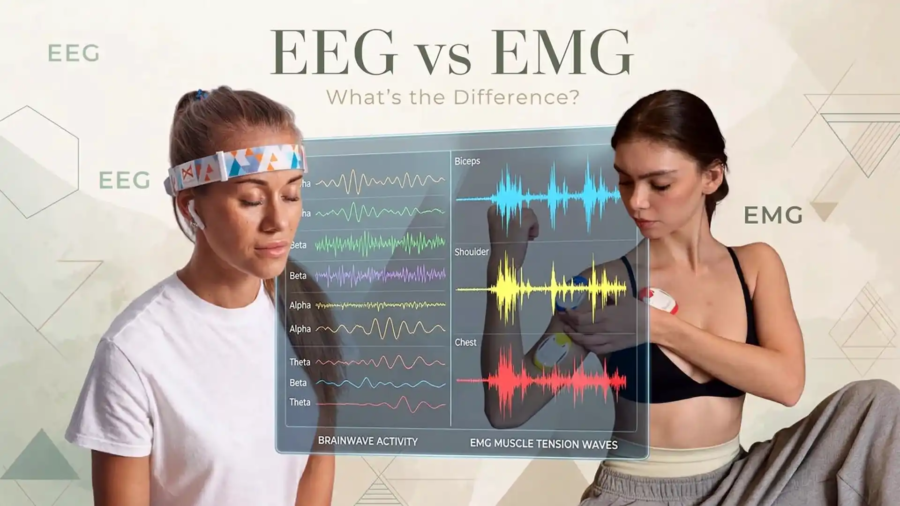
When exploring biofeedback vs neurofeedback, it helps to know that neurofeedback (also called EEG biofeedback) measures brainwave activity through scalp sensors to target focus, attention, sleep, and anxiety.
On the other side, EMG biofeedback measures electrical activity in muscles through skin sensors to target tension headaches, chronic pain, and physical relaxation.
In the EEG vs EMG debate, the right choice depends on your goal: for mental focus and sleep, EEG is the usual starting point; for muscle-driven stress and pain, EMG is the better match.
Many home systems combine multiple types of biofeedback sensor technology (like EEG, EMG, heart rate, and skin sensors) so you can train more than one signal over time.
Choose your primary biofeedback sensor by your main goal first, then by comfort, setup, and whether you want room to add other signals later.
When looking at EEG vs EMG, the fundamental difference lies in what they measure: EEG biofeedback reads the electrical activity of your brain, while EMG biofeedback reads the electrical activity of your muscles. That single difference in what each sensor measures decides which problems each one can help with: EEG is built for mental states like focus and sleep, and EMG is built for physical tension like clenched muscles and tension headaches.
Both belong to the same family, which is why the debate of biofeedback vs neurofeedback can sometimes be confusing. Biofeedback is a mind-body method that teaches you to change body functions you normally cannot sense, using sensors that show those functions back to you in real time (Cleveland Clinic). The type of biofeedback sensor you choose is what separates EEG from EMG, so the rest of this guide walks through what each one measures, the goals each is suited to, and how to pick between them.
Biofeedback vs Neurofeedback: How Does EEG Measure Brain Activity?
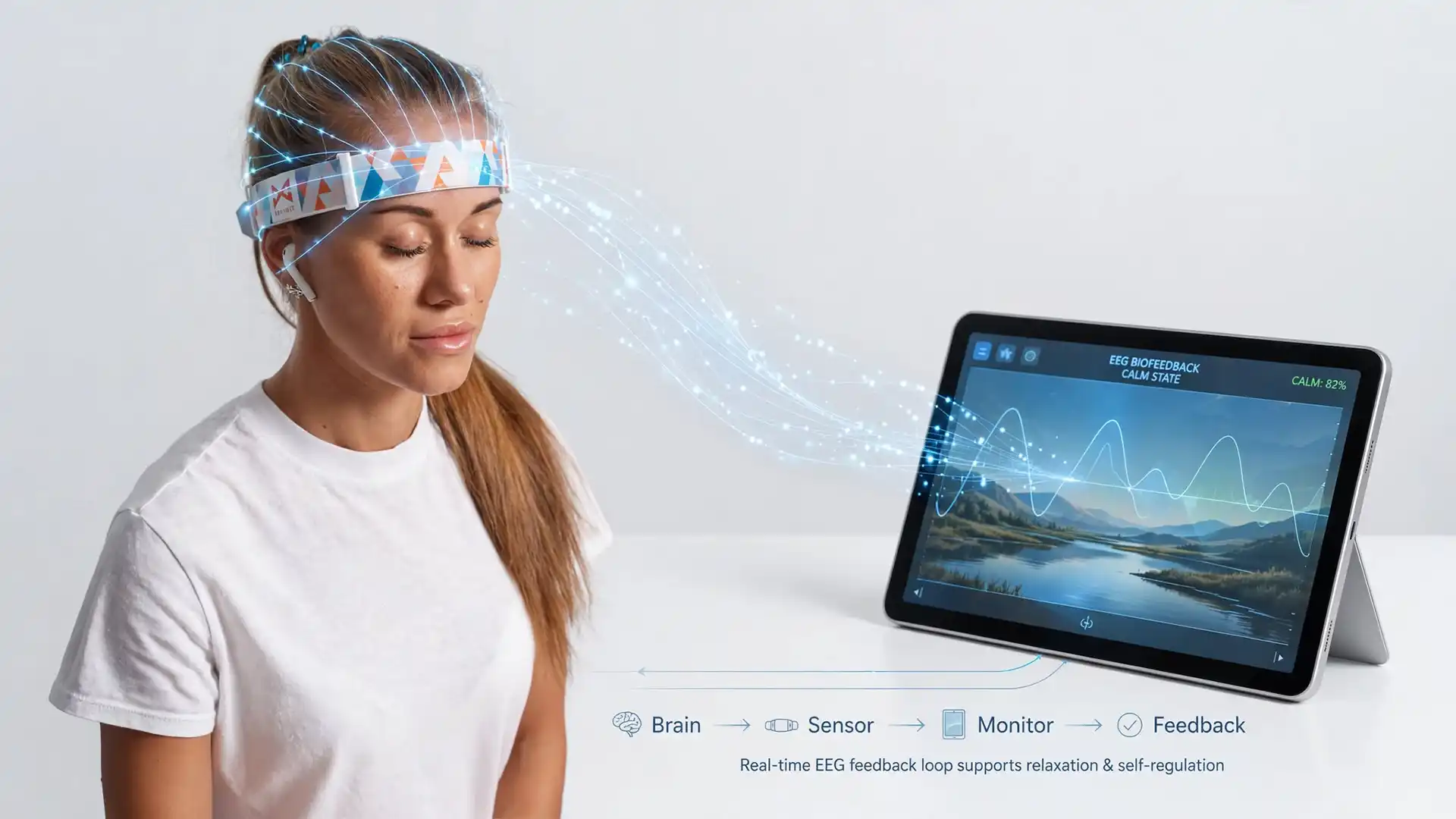
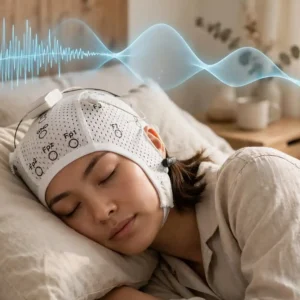
EEG biofeedback uses a small biofeedback sensor on your scalp to pick up the faint electrical signals that groups of brain cells produce when they fire together. When looking at biofeedback vs neurofeedback, it is important to note that EEG biofeedback is also called neurofeedback, and the two names describe the exact same approach (Cleveland Clinic). The device turns those signals into something you can see or hear.
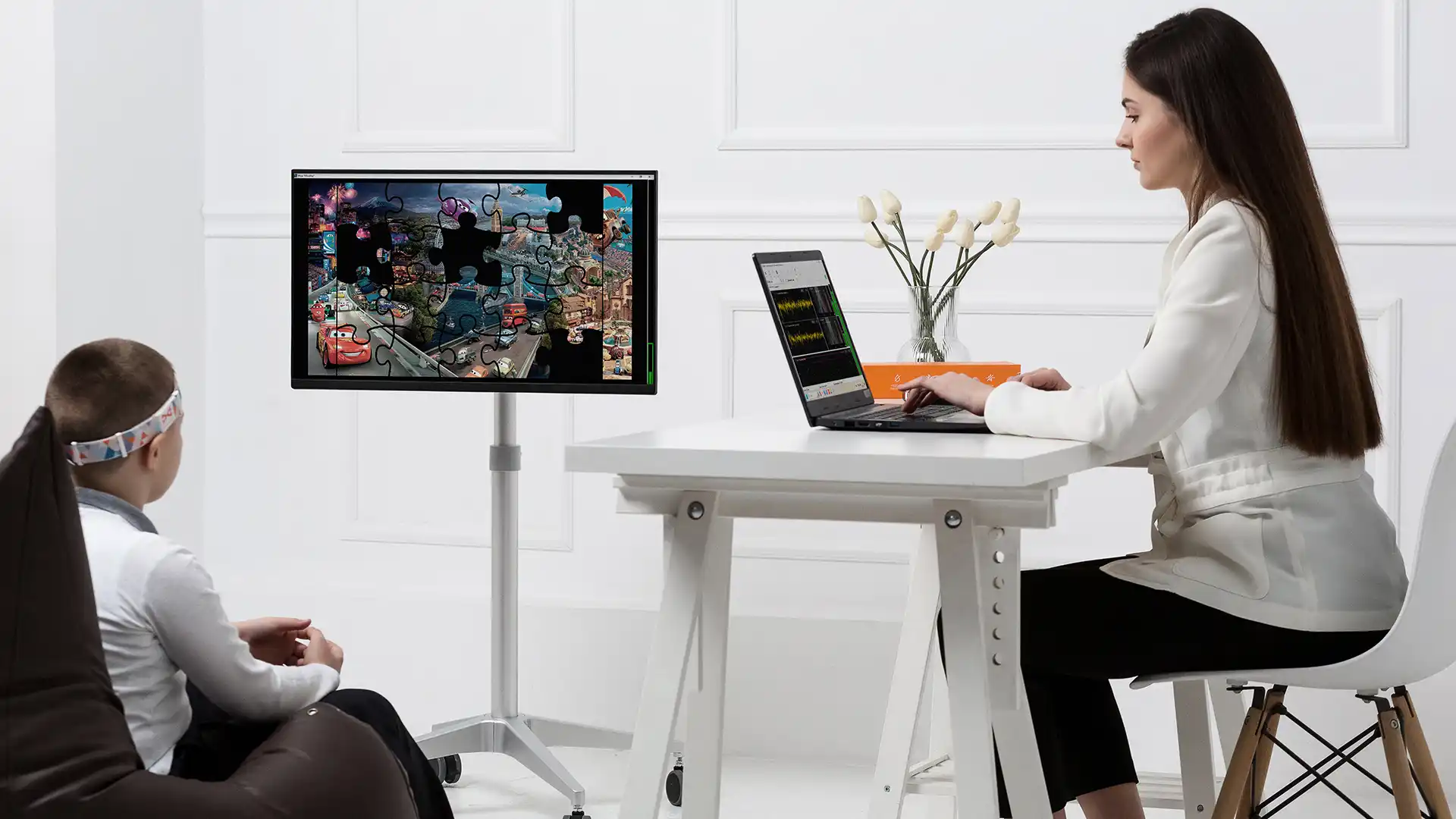
Those brain signals move in rhythms, often grouped into bands. Slower rhythms tend to show up during deep sleep and drowsiness. Faster rhythms line up with alert, active thinking. When a device shows you which rhythm is dominant right now, you get a chance to nudge your brain toward the state you want.
Here is the useful part for a beginner: you do not read raw brainwaves yourself. The software does that and feeds back a simple cue, like a tone that steadies or a game that responds when you reach a calmer, more focused state. Over repeated sessions, many people learn to find that state more easily.
How Does an EMG Biofeedback Sensor Measure Muscle Tension?
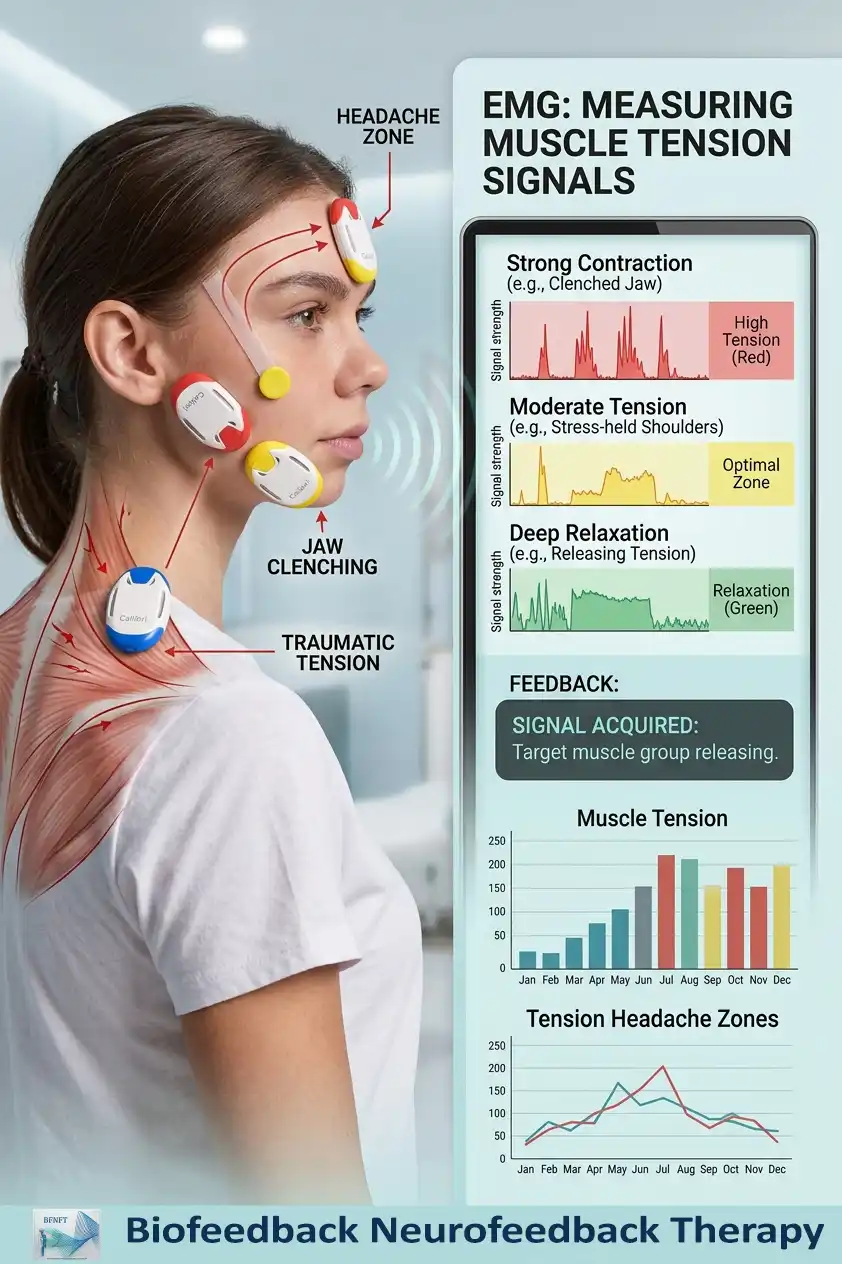
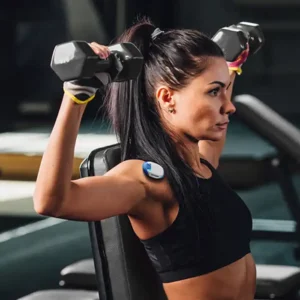
EMG biofeedback places a biofeedback sensor on the skin above a muscle to measure the electrical activity that muscle produces when it contracts. This surface form is called surface electromyography, or sEMG (Cleveland Clinic). In the EEG vs EMG comparison, this sensor represents the physical, muscle-driven side of training. The tighter the muscle, the stronger the signal, so the reading rises and falls with how tense you are.
Common placement spots for this type of biofeedback sensor are the forehead, jaw, neck, and shoulders, because that is where stress often settles. You might hold tension there all day without noticing. An EMG display makes hidden tension visible, usually as a number or bar that rises when you tighten and falls when you release.
That visibility is the training tool. Once you can see the signal fall as you let a muscle go soft, you can practice that release on purpose. The skill then carries into daily life, so you catch and loosen tension before it builds into pain.
EEG vs EMG: What Goals Does Each Method Address?
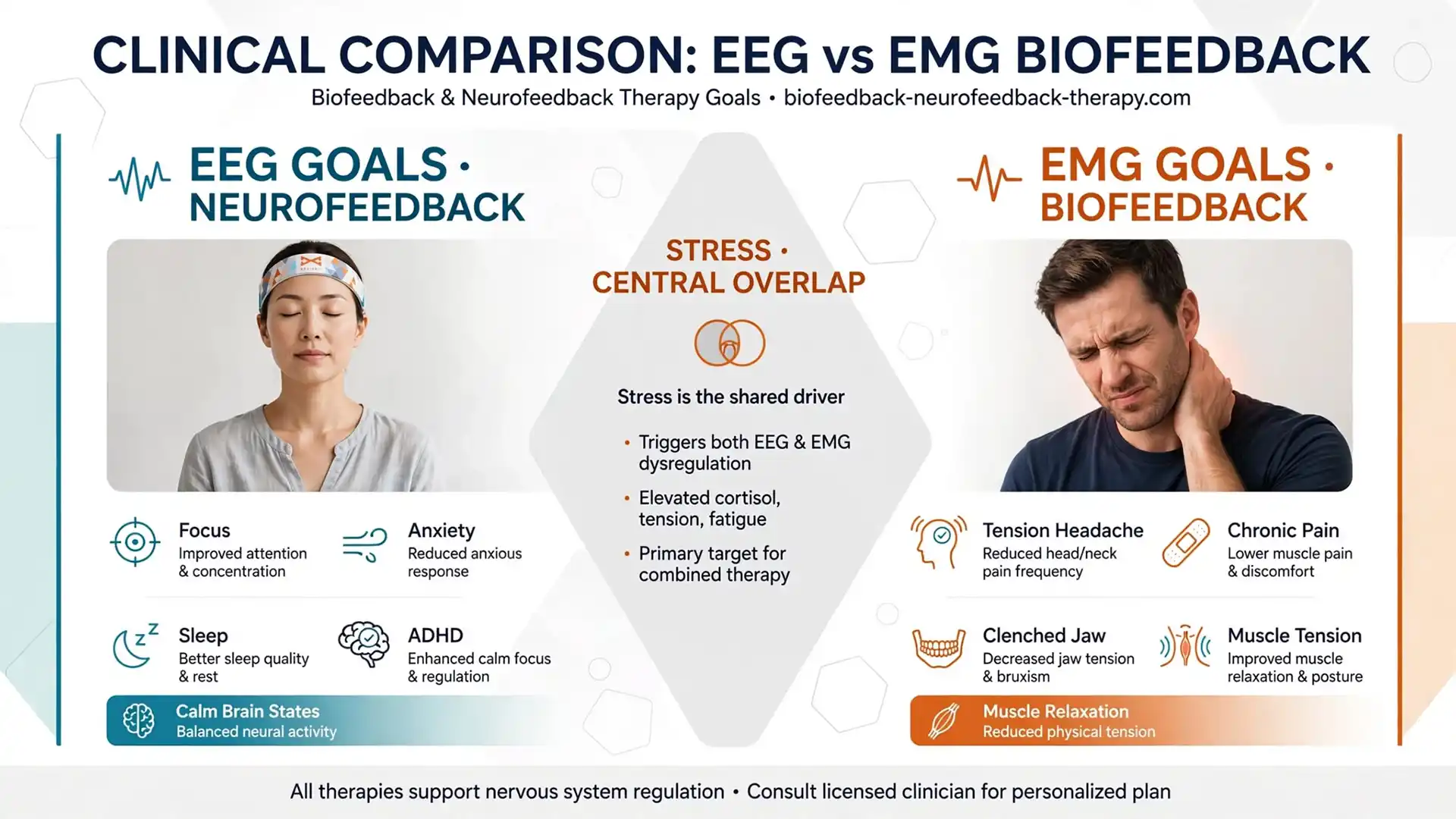
When comparing EEG vs EMG, they address different goals because they read different signals. EEG biofeedback is commonly used for brain-state concerns such as attention, anxiety, and sleep. EMG biofeedback is commonly used for muscle-driven problems such as tension headaches and chronic pain. The broader category of biofeedback vs neurofeedback as a whole is applied to anxiety, chronic pain, migraines, tension headaches, high blood pressure, and insomnia (Cleveland Clinic).
A quick way to sort your goal is to ask where the problem lives. If it is mostly in your head—racing thoughts, trouble concentrating, poor sleep—an EEG biofeedback sensor speaks that language. If it is mostly in your body—a tight jaw, aching shoulders, headaches that start at the temples—an EMG sensor speaks that one.
Plenty of goals overlap, which is why the two are often paired. Stress, for example, can show up as both an anxious mind and a clenched body. We will come back to combining signals shortly.
Biofeedback vs Neurofeedback: Which Signal Matters Most?
The right signal in the EEG vs EMG debate depends on how your issue actually shows up. For focus, EEG is the natural fit, since attention is a brain state and EEG is the only one of the two that reads brain activity. For muscle pain and tension headaches, EMG is the natural fit, since those come from muscles and EMG reads muscle tension directly.
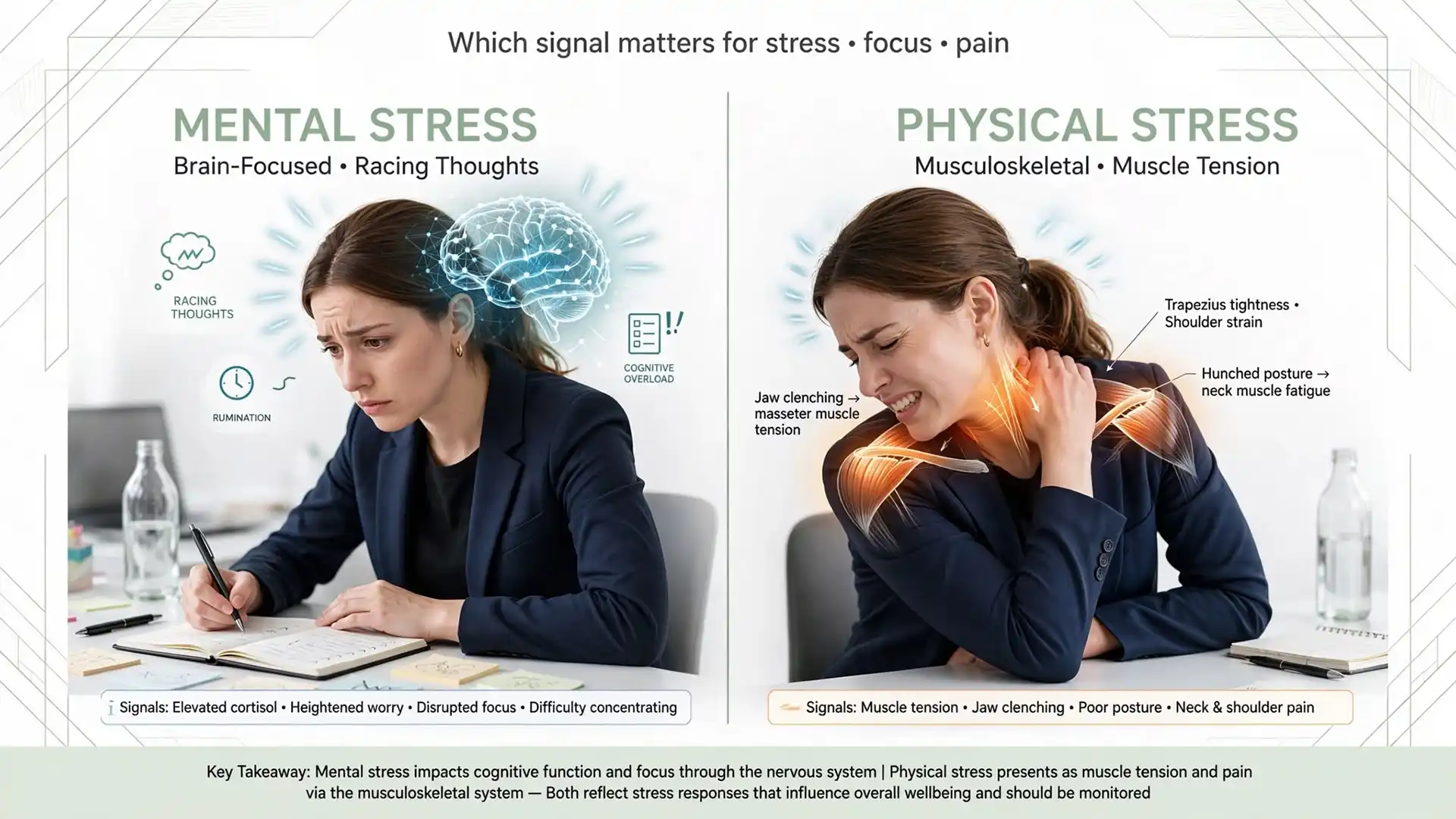
Stress sits in the middle. Some people feel stress as a spinning mind, which points toward EEG. Others feel it as a locked jaw and tight shoulders, which points toward EMG. Many feel both, and the better biofeedback sensor is the one that matches your strongest symptom.
If your main aim is calmer, deeper sleep, EEG is usually the starting point because sleep is tied to brain rhythms. For a focused look at that use case, see Neurofeedback for Sleep: Train Your Brain to Rest.
One practical tip: pick the signal tied to the outcome you can feel most clearly. A clear signal gives you faster feedback, and faster feedback makes the training easier to stick with.
Biofeedback vs Neurofeedback: Can You Combine Both in One Device?
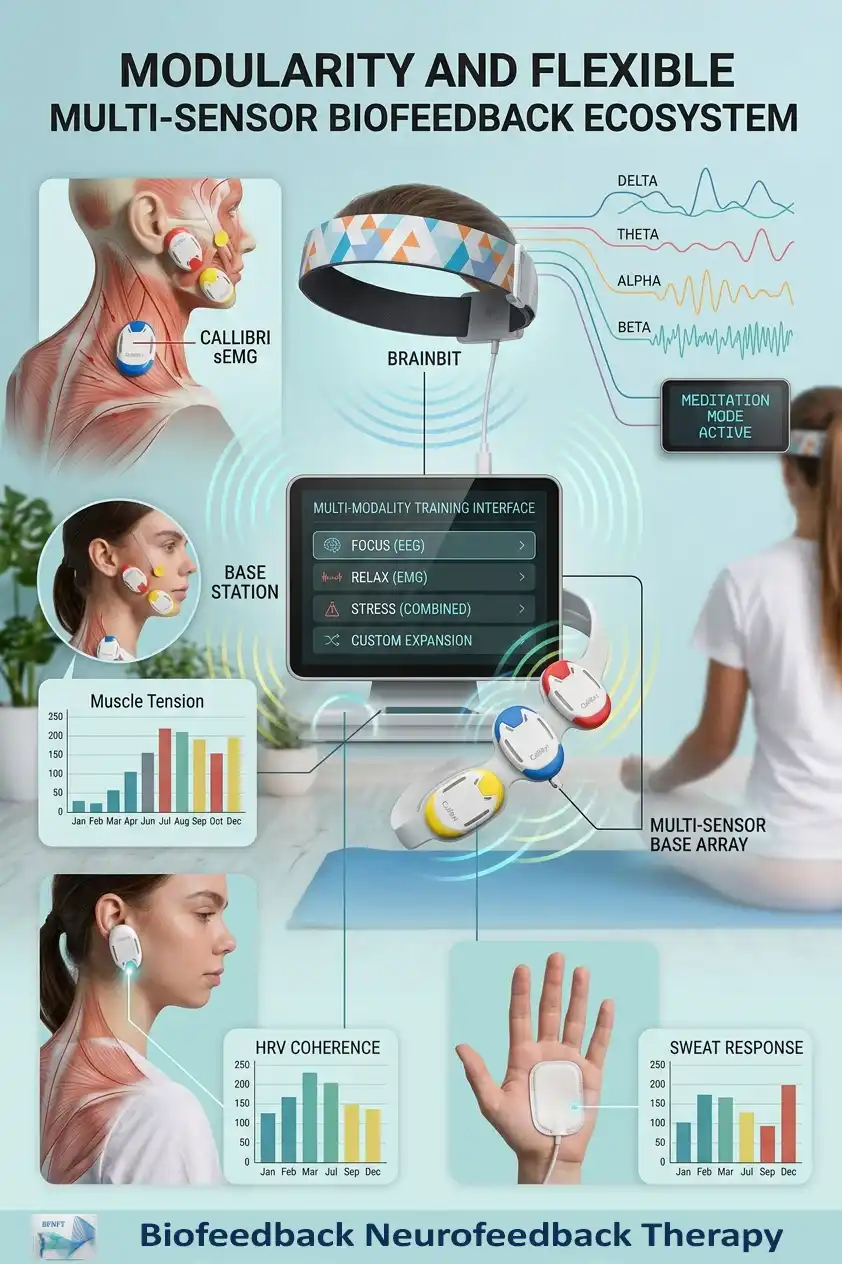
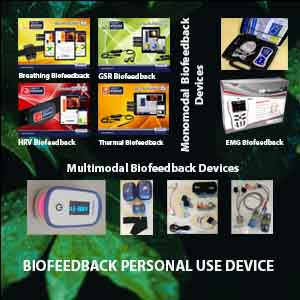
Yes. Biofeedback is not limited to a single type of biofeedback sensor, and many systems read several signals at once, including brainwaves, muscle tension, heart rate, breathing, skin temperature, and sweat response (Cleveland Clinic). A multi-sensor setup lets you train more than one thing from the same base unit.
This matters because when exploring EEG vs EMG, real goals rarely stay in one lane. You might start with EMG to loosen tension headaches, then add an EEG channel later to work on focus. A combined device saves you from buying separate hardware for each new goal.
On our website, the home systems are built around this flexibility, so you can begin with the signal your main goal needs and expand into others as your needs change. This is the ultimate answer to the biofeedback vs neurofeedback question—you don’t have to choose just one. The idea is to grow the practice without starting over each time.
Combining does add some complexity. More biofeedback sensors mean more setup and more data to read, so if you only have one clear goal, a single-signal device can be simpler and cheaper to start with.
EEG vs EMG: How Do You Choose the Right Sensor?
When deciding between EEG vs EMG, choose by your main goal first, then by comfort and room to grow. If your top priority is focus, attention, or sleep, lead with EEG. If it is muscle tension, headaches, or physical relaxation, lead with EMG. The biofeedback sensor that matches your primary goal will give you the clearest, most motivating feedback.
After the goal, weigh three practical points. First, comfort: scalp biofeedback sensors and skin sensors feel different, so pick what you will actually wear for regular sessions. Second, setup: some devices are quicker to place than others. Third, flexibility: a multi-sensor system costs a bit more but lets you add signals later.
Budget and home use come next. You do not need a clinic to benefit, since home biofeedback hardware now covers both EEG and EMG. For a broader walk-through of home options across signal types, see our Biofeedback Device for Home Use: A Buyer’s Guide.
Here is a simple way to decide. Name your single biggest goal, match it to EEG or EMG, and check whether you are likely to add a second goal within a year. If yes, lean toward a combined device. If not, start focused and keep it simple.
Conclusion
Start by writing down the one change you most want, calmer focus, deeper sleep, fewer tension headaches, or looser shoulders. Match that goal to the sensor that reads the matching signal: EEG for brain states, EMG for muscle tension. Then pick a home device that supports at least that signal, and add others only when a second goal appears. That one decision, goal first, sensor second, will do more for your results than any spec on the box.
Choosing Your Biofeedback Sensors: Brainbit Headband and Callibri Multi-Sensor
If you are ready to start training, the best approach is to choose a biofeedback sensor ecosystem that grows with you. Instead of forcing a strict choice in the biofeedback vs neurofeedback debate, modern hardware lets you use both.
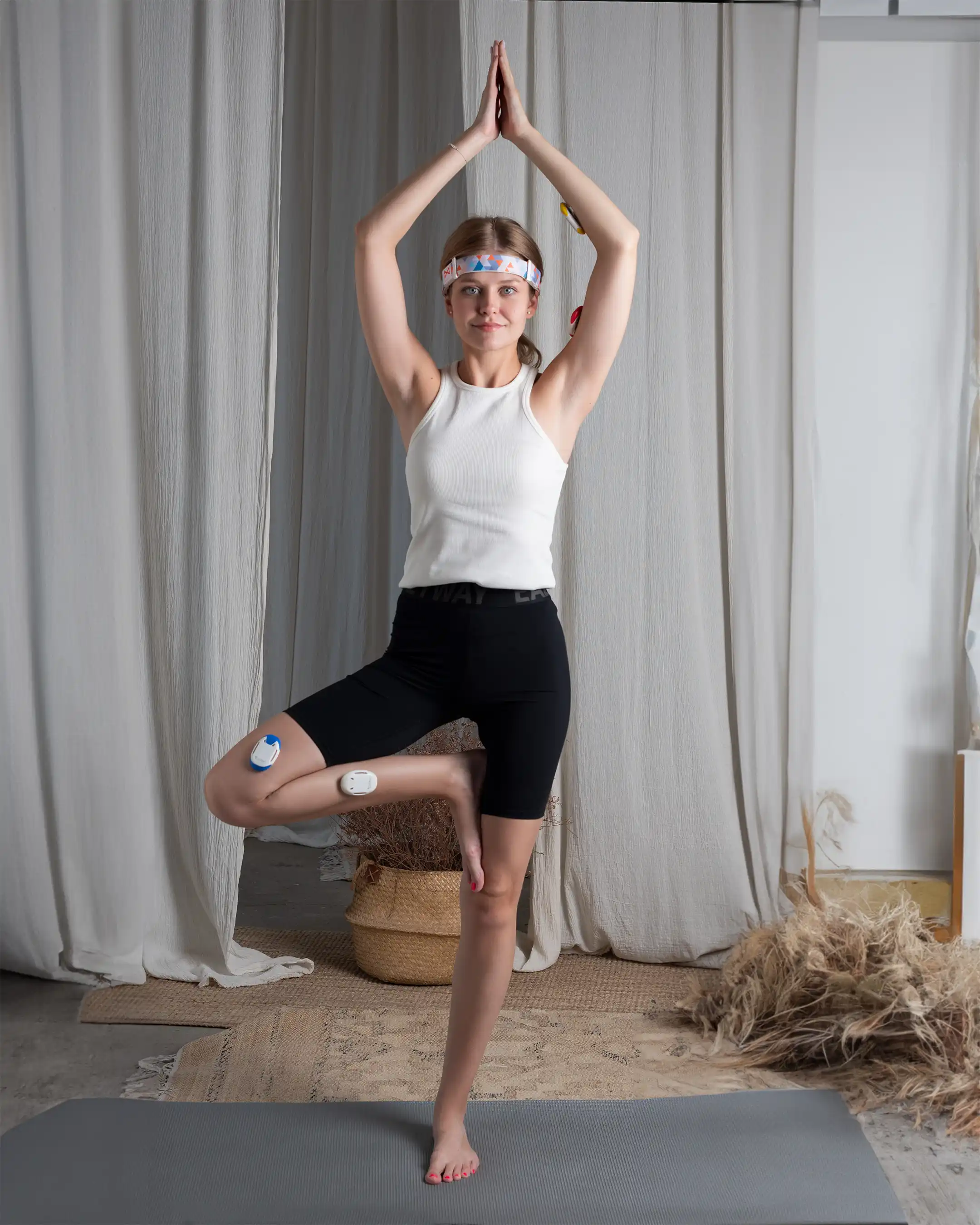
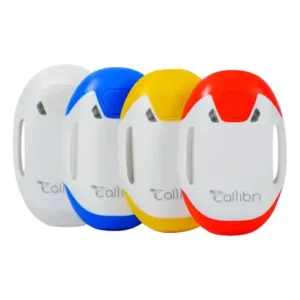
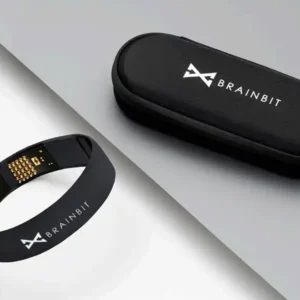
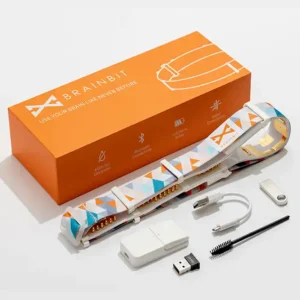
The Brainbit Headband is designed specifically for comfortable, reliable EEG neurofeedback. However, when paired with the Callibri multi-sensor ecosystem, you unlock a complete home setup. Callibri sensors can measure EMG for muscle tension, as well as heart rate, breathing, and skin response, giving you the ultimate flexibility to train both your brain and body.
Frequently asked questions
Yes. EEG biofeedback and neurofeedback refer to the same thing. Both use sensors on the scalp to read brainwave activity and give you real-time feedback so you can learn to shift your brain state.
Yes, when your stress shows up as muscle tension. EMG tracks tightness in muscles such as the forehead, jaw, neck, and shoulders, then helps you learn to release it, which many people feel as physical calm.
EEG. Focus and attention are brain-state goals, so a sensor that reads brainwave activity gives you the signal you actually want to train. EMG would only tell you about muscle tension, not mental focus.
Some do. Multi-sensor biofeedback systems can read brainwaves, muscle tension, heart rate, and skin signals from one setup, letting you start with one modality and add others as your goals change.
Both EEG and EMG biofeedback are non-invasive and drug-free. Sensors sit on the surface of the skin or scalp and only read electrical signals your body already produces. Neither sends current into the body.
Add a Comment