
Key takeaways
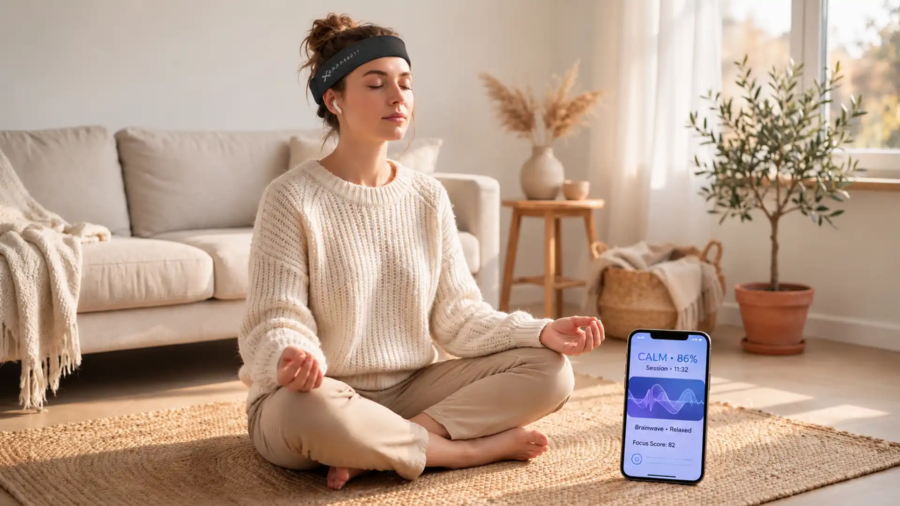
- An EEG headset reads your brainwaves through scalp sensors and feeds that signal to an app, making it the most accessible entry point for home neurofeedback.
- Channel count is the clearest spec difference: consumer headsets range from a single channel up to 16, while clinical EEG uses 20 or more electrode sites.
- Comfort and dry electrodes matter more than raw channel count for daily home use, because a headset you wear consistently beats a precise one you abandon.
- Budget for the subscription, not just the headset: many devices gate their best training content behind a monthly or annual app plan.
- Match the device to one goal first, whether that is focus, sleep, calm, or performance, instead of buying the headset with the most sensors.
The best EEG headset for home use is the one that matches a single clear goal, fits comfortably enough to wear often, and comes with an app you will actually open. For most people chasing focus, calm, or better sleep, a lightweight 4-to-5 channel headband does the job without the cost or setup of research hardware. This guide walks through how an EEG headset works, which specs matter, and how the leading 2026 options compare so you can choose with confidence.
Why an EEG Headset Is the Most Popular Choice for Home Neurofeedback
An EEG headset is the most common entry point for home neurofeedback because it reads brain activity directly and wirelessly, and you can wear it in minutes. Other biofeedback tools track the body indirectly through heart rate or breathing. An EEG headset watches the brain itself, which is why it anchors most consumer brain-training setups.
The appeal is practical. You put it on, open an app, and get real-time signals about your mental state without a clinic visit or a technician. That convenience is what moved neurofeedback out of research labs and into living rooms.
If you are weighing an EEG headset against other options, our guide on how to choose a neurofeedback device that fits you breaks down the trade-offs by goal and budget.
What Is an EEG Headset, and How Does It Work?
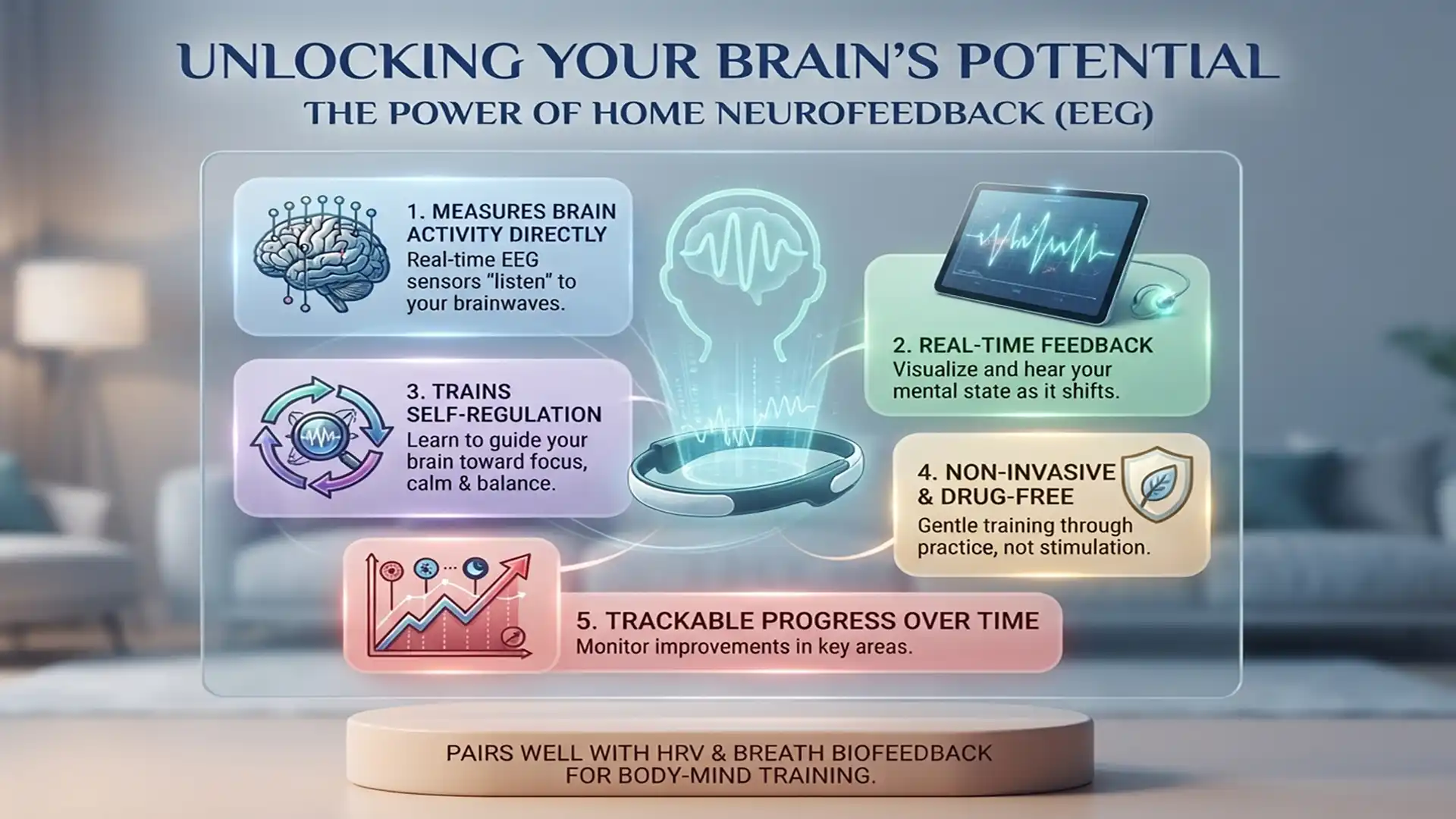
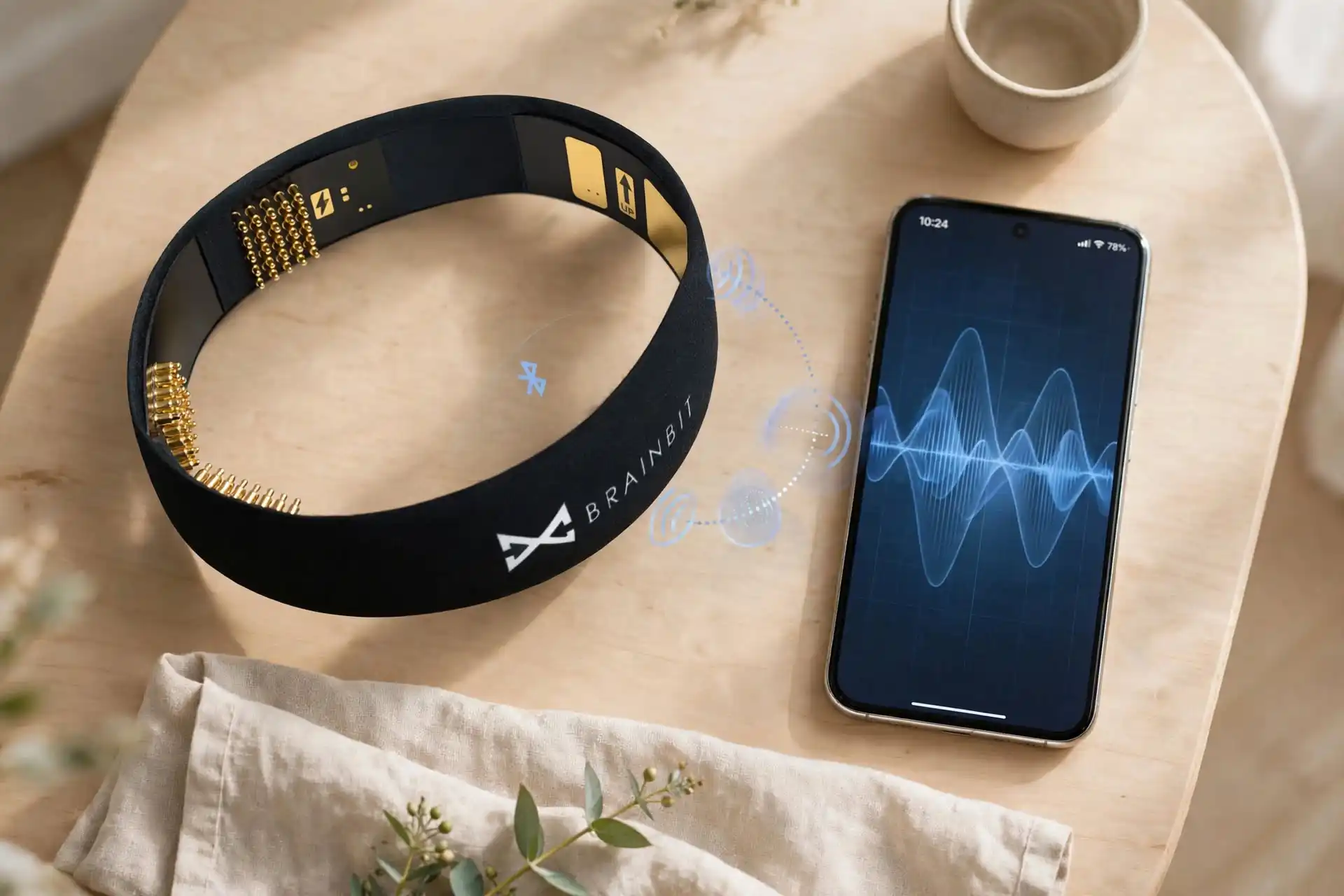
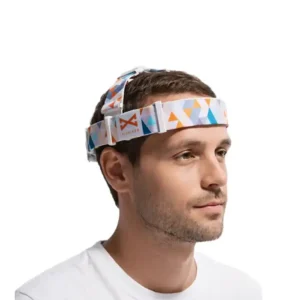
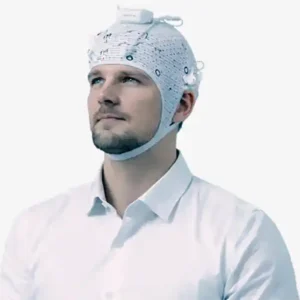
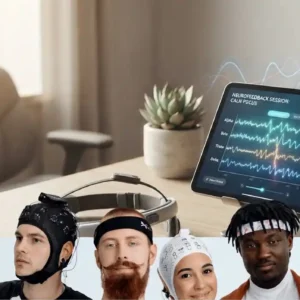
An EEG headset is a wearable device with sensors that sit against your scalp and detect the faint electrical activity your neurons produce. Electroencephalography, the technology behind it, has been used in medicine for decades. A home headset shrinks that idea into a comfortable band and sends the signal to your phone over Bluetooth.
The device does not stimulate your brain. It listens. Your brain generates rhythms at different frequencies, and software maps those rhythms to states like focus, relaxation, or drowsiness.
How EEG Sensors Read Brainwaves in a Wearable Format
EEG sensors pick up voltage changes across the scalp, then amplify and digitize them into readable brainwave data. Clinical systems place electrodes using the international 10-20 system, a standard grid referenced from fixed points on the skull so results stay consistent across sessions and studies (Frontiers in Neuroinformatics, 2020).
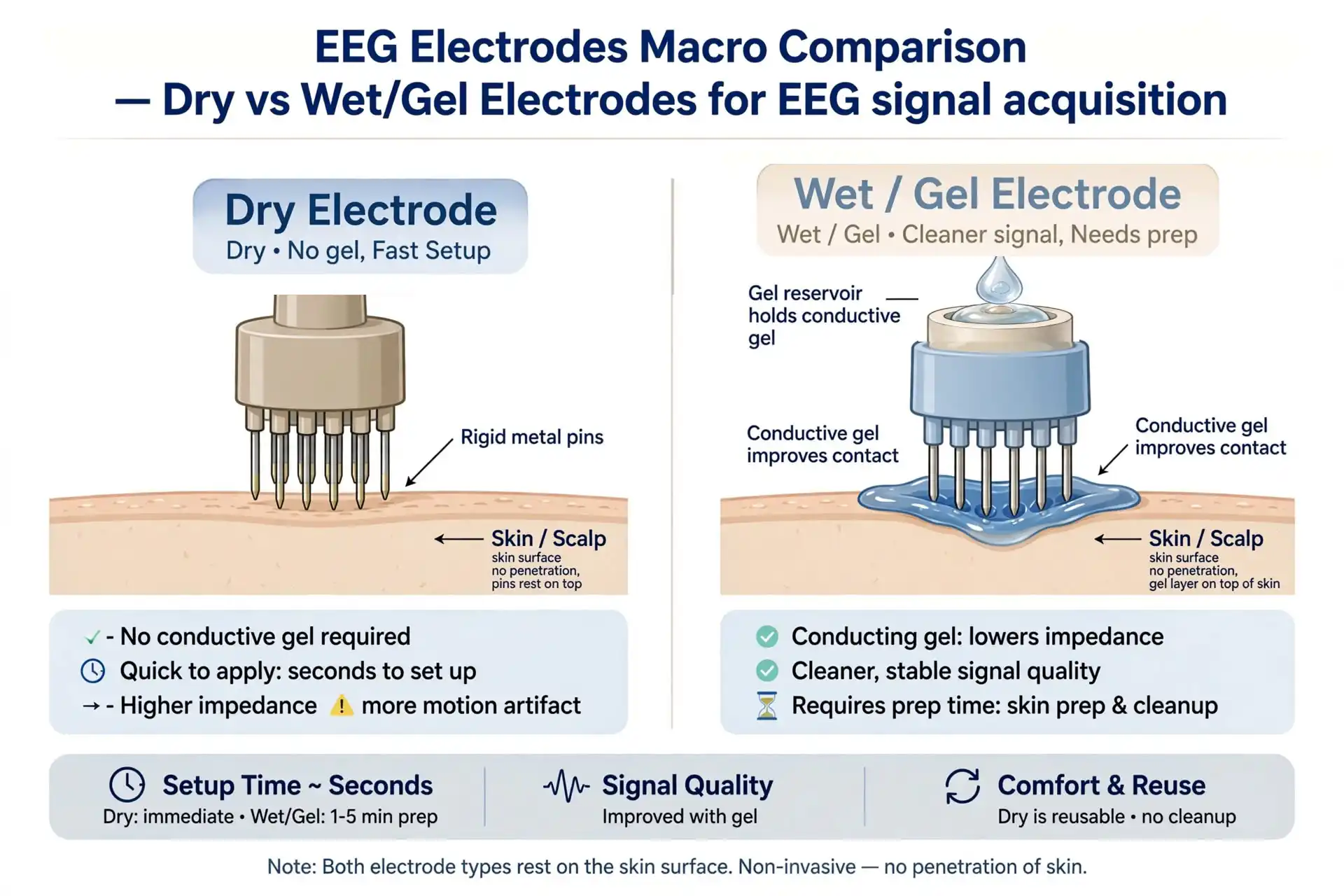
Home headsets use a simplified subset of those positions. Two sensor types dominate:
- Dry electrodes: No gel required. Faster to wear, slightly noisier signal, and standard on consumer devices.
- Wet or gel electrodes: Better contact and cleaner signal, but messy and slower, which is why they stay mostly in research use.
For everyday home training, dry electrodes win on convenience, and that convenience is what keeps people training.
Key Specs to Compare: Sensors, Channels, and Signal Quality
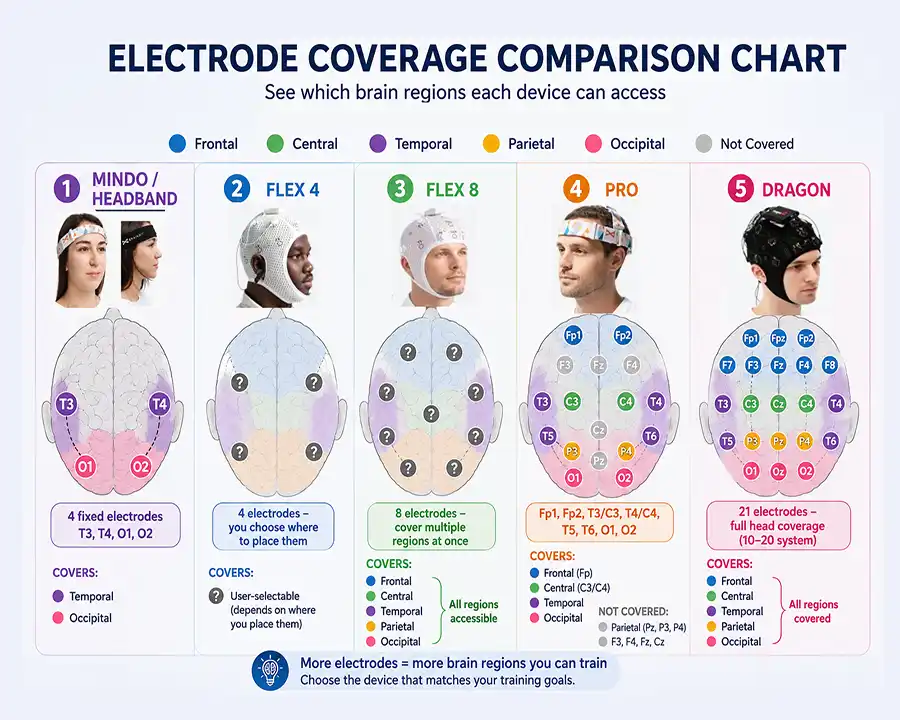
Channel count is the spec that separates home EEG headsets most clearly. Each channel is roughly one sensor site reading one region of the scalp. Consumer headsets range from a single channel up to 16, while a clinically valid EEG typically uses 20 or more electrode sites across all lobes of the brain.
More channels mean finer spatial detail, but they also mean higher cost, longer setup, and more data to interpret. For meditation, focus, and sleep feedback, a few well-placed channels are usually enough.
Signal quality also depends on fit. A sensor that drifts off your skin produces noise, so a snug, stable band often matters more than adding channels. Entry-level single-channel devices can track broad states, while multi-channel devices support more detailed training.
Comfort, Wearability, and Design: What to Look For
Buyers most often underestimate comfort, and it quietly decides whether a headset earns daily use. A device that pinches, slips, or gets hot ends up in a drawer, no matter how accurate it is. For home use, wearability is a core performance feature, not a luxury.
Look for a few concrete things:
- Weight and balance: Lighter bands suit long sessions and overnight sleep tracking.
- Adjustable fit: Sizing options keep dry electrodes in steady contact.
- Material and heat: Breathable, skin-friendly materials matter for anything worn more than a few minutes.
- Setup time: The faster it goes from drawer to session, the more often you will use it.
Match the form factor to when you will train. A slim headband works for meditation and sleep, while a fuller headset frame suits seated focus and performance work.
App Guidance, Training Programs, and Subscription Costs
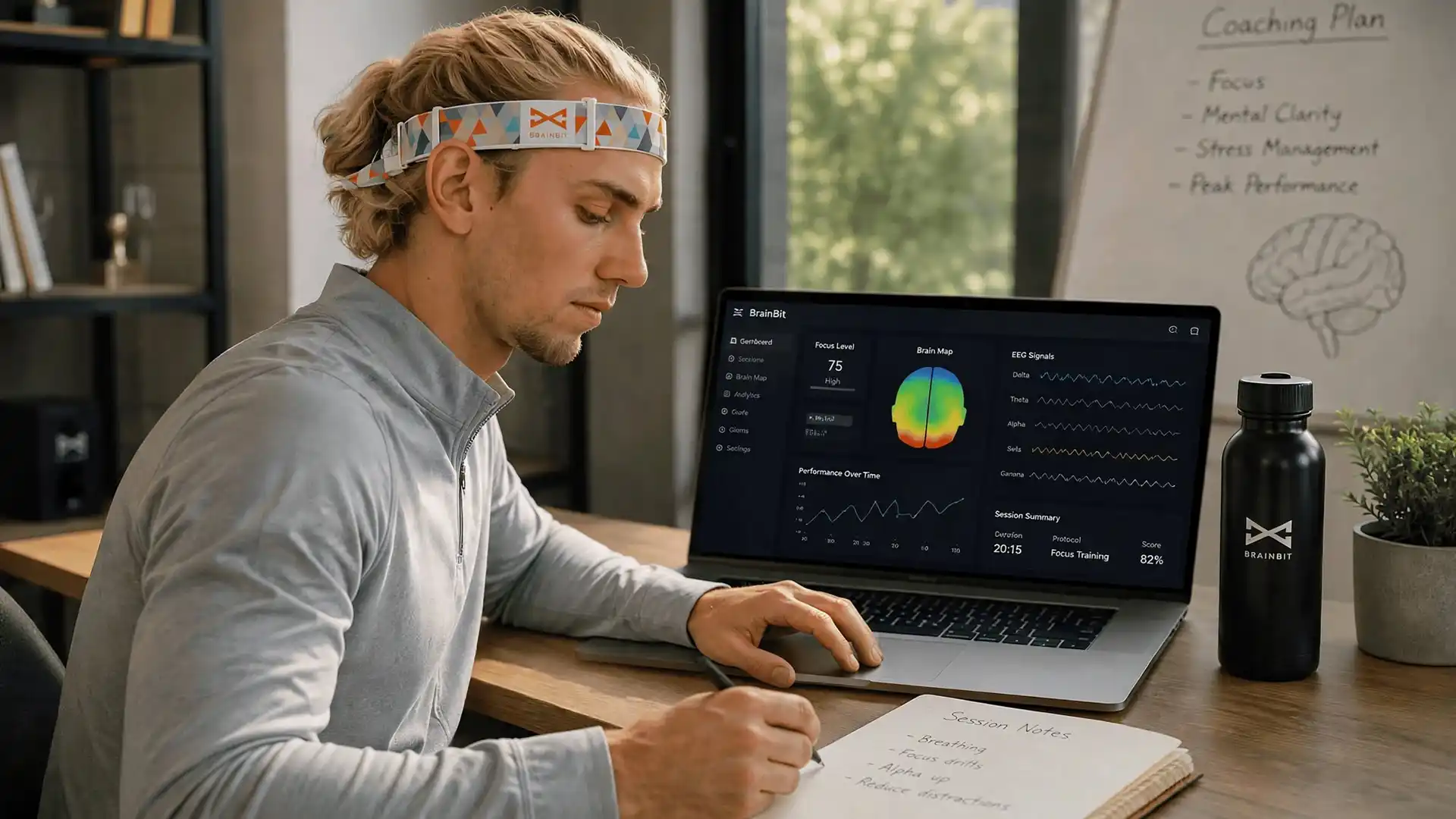
The app is where an EEG headset becomes useful, and the subscription is where the real cost often hides. Most home headsets ship with a companion app that turns raw brainwave data into guided sessions, scores, and progress charts. Many then gate their best programs behind a monthly or annual plan.
Before you buy, separate three things:
- Hardware price: The one-time cost of the headset itself.
- Free app features: What you can actually do without paying more.
- Subscription: The ongoing fee for premium training, guided content, and advanced analytics.
A lower sticker price with an expensive required subscription can cost more over a year than a pricier headset with a generous free tier. Read the plan details, not just the headline number.
The Best EEG Headsets of 2026 Compared: Muse, Emotiv, BrainBit, and More
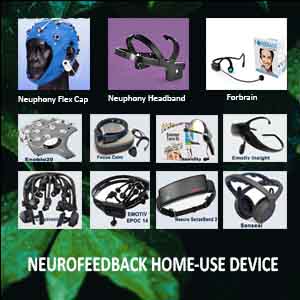
The leading home EEG headsets split cleanly by purpose: wellness headbands for meditation and sleep, prosumer devices for richer data, and research-oriented kits for developers. The table below compares them on the specs that drive a home buying decision.
| Device type | Channels | Best suited for | Electrode type |
|---|---|---|---|
| Wellness headband (e.g. Muse) | 4 sensors | Meditation, calm, sleep | Dry |
| Prosumer (e.g. Emotiv Insight) | 5 | Focus, mixed wellness and data | Dry |
| Research-grade consumer (e.g. Emotiv EPOC X) | 14 | Detailed multi-region training | Semi-dry |
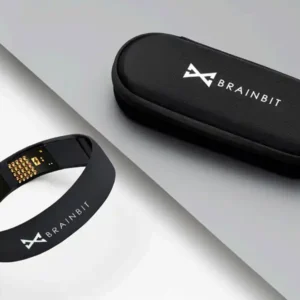
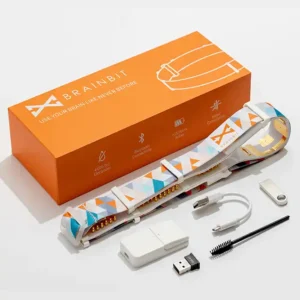
| Specialist wellness (e.g. BrainBit) | 4 | Guided relaxation and focus apps | Dry |
| Entry-level (e.g. NeuroSky MindWave) | 1 | Low-cost first experiment | Dry |
| Open-source kit (e.g. OpenBCI) | 8-16 | Developers, DIY research | Dry or wet |
Channel figures reflect each platform’s standard consumer configuration. The pattern is consistent: wellness-focused headbands keep sensors few and comfort high, while research-oriented devices add channels and setup complexity.
Peer-reviewed evaluations of consumer EEG devices generally find they can track broad brainwave patterns such as alpha activity linked to relaxation, while remaining less precise than clinical systems. Treat any home headset as a training and wellness tool, not a diagnostic instrument.
Which EEG Headset Fits Your Goal? Focus, Sleep, Calm, or Performance
The right EEG headset follows your goal, not the spec sheet. Pick your single most important outcome first, then choose the device built around it. Buying the headset with the most sensors rarely helps if your goal is simply to relax more consistently.
- Calm and stress relief: A comfortable 4-channel headband with strong guided meditation content. Pair it with breathing work from our HRV biofeedback for stress relief guide for a layered routine.
- Sleep: A lightweight band you can tolerate overnight, with wind-down and sleep-tracking programs.
- Focus: A device with focus-specific training and clear session scoring, ideally 4 to 5 channels.
- Performance: A prosumer or research-grade headset with more channels and detailed analytics for structured cognitive training.
One goal, one device, consistent sessions. That sequence produces better results than chasing features.
Price-to-Value Breakdown and a Simple Buying Checklist
The best value is the headset you will wear several times a week for a year, counting both hardware and subscription. A capable wellness headband with a useful free tier often beats a feature-heavy device that demands a costly plan you rarely use. Value is about consistency, not maximum specs.
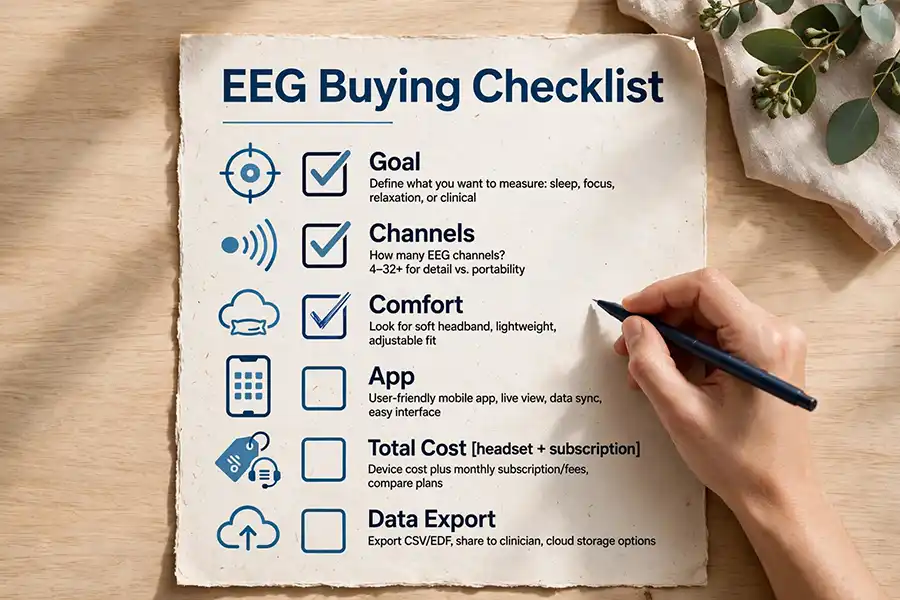
Run through this checklist before you buy:
- Goal: Have you named one primary goal (focus, sleep, calm, or performance)?
- Channels: Does the channel count match that goal without overbuying?
- Comfort: Will you genuinely wear it as often as your plan requires?
- App: Are the programs you want in the free tier or behind a subscription?
- Total first-year cost: Hardware plus any required subscription, added together.
- Data: Can you export or review your sessions over time?
If a device clears all six, it fits your home setup.
We carefully investigate home-use EEG and neurofeedback devices across these goal categories, so you can match a headset to your target outcome rather than guessing from a spec list. Start with your goal, confirm the first-year cost, and choose the device you will actually keep using. Start with your goal, confirm the first-year cost, and choose the device you will actually keep using.
Frequently asked questions
An EEG headset is a wearable device with scalp sensors that measure the small electrical signals your brain produces. It translates those brainwaves into data an app can show you in real time, which is the basis for neurofeedback training at home.
For meditation, focus, and sleep feedback, 4-5 channels are enough for most people. More channels provide finer spatial detail and suit research or advanced training, but they add cost and setup time without much improvement for everyday wellness use.
Consumer headsets are less precise than clinical systems and use fewer electrodes, mostly dry ones. They can reliably track general patterns like alpha activity linked to relaxation, but they are not medical diagnostic tools and should not be treated as one.
Often yes. Many home EEG headsets include a free basic app, then charge a monthly or annual fee for premium training programs, guided content, and advanced analytics. Always check the ongoing cost before you buy.
Headbands designed for comfortable overnight wear suit sleep tracking and wind-down training, while devices with more channels and performance analytics suit focus and cognitive training. Pick based on your single most important goal.
Add a Comment