Key takeaways
- ADHD neurofeedback trains attention-related brainwaves, usually by lowering slow theta activity and raising faster beta or sensorimotor rhythm.
- In 2024, roughly 7 million US children aged 3 to 17, or 11.7 percent, had a current ADHD diagnosis, according to the CDC.
- ADHD neurofeedback is a powerful, drug-free intervention that leverages the brain’s natural neuroplasticity to create long-lasting improvements in focus and self-regulation.
- A typical course of neurofeedback treatment for ADHD runs 30 to 40 sessions of 20 to 30 minutes, two or three times a week, over several months.
- Results are significantly amplified when training is combined with a healthy diet, targeted supplements, physical exercise, and behavioral strategies.
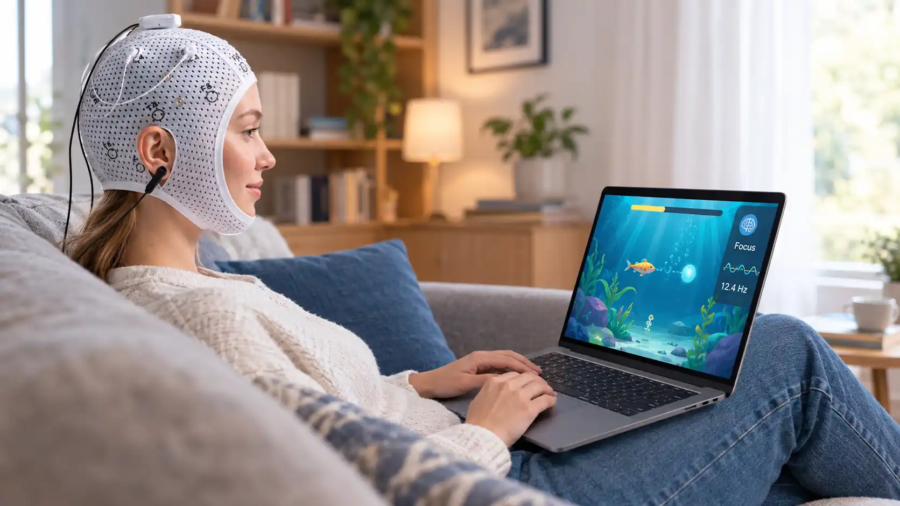
ADHD neurofeedback is a drug-free training method that teaches your brain to produce attention-friendly electrical patterns using real-time feedback from an EEG sensor. You watch or hear a signal that rewards focused brain states, and over many sessions, your brain learns to reach those states more easily. You can do it in a clinic or, increasingly, at home.
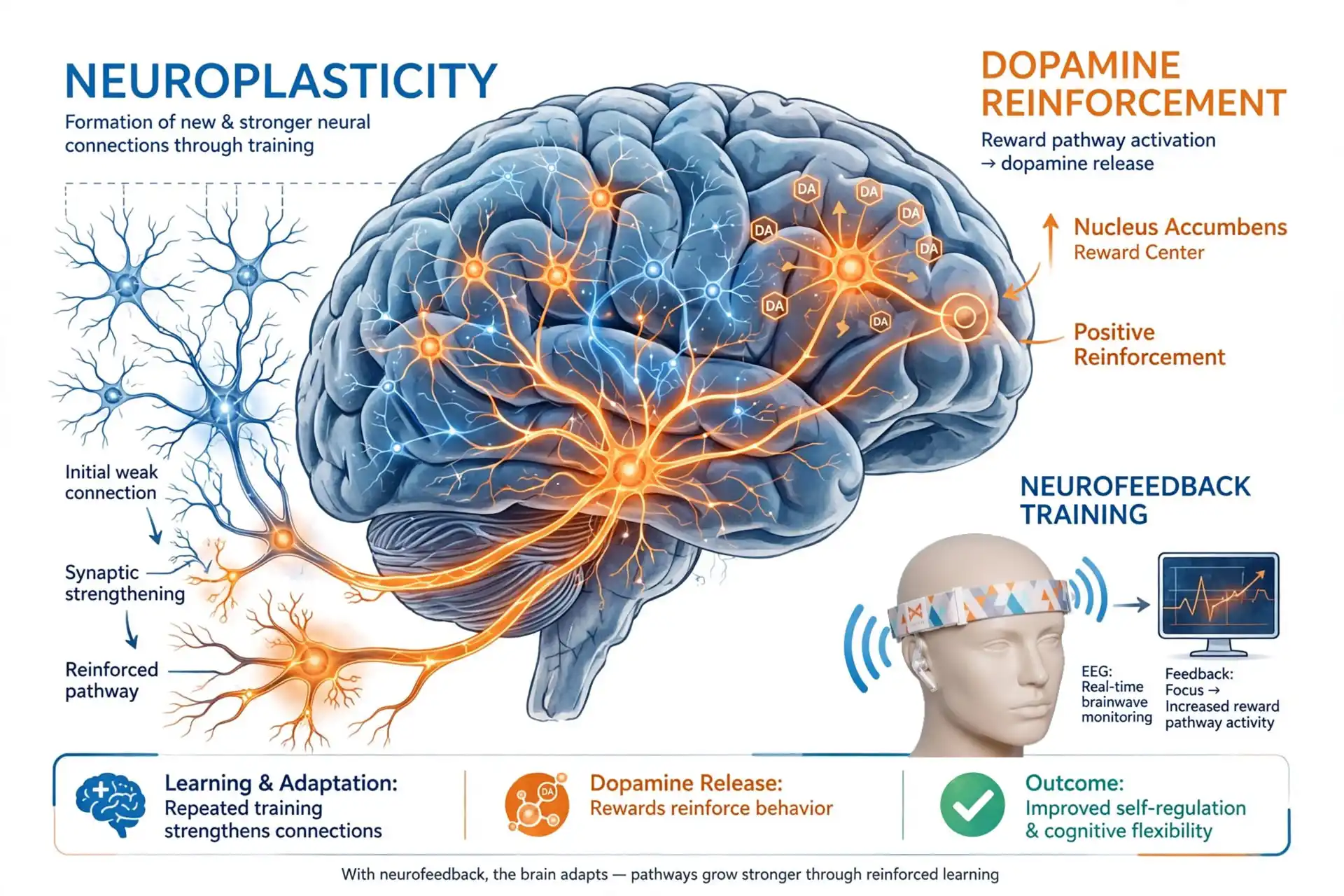
Because it relies on neuroplasticity—the brain’s ability to rewire itself—ADHD neurofeedback addresses the root of attention difficulties rather than just masking symptoms. Unlike medication, which requires ongoing use to maintain its effects, the skills learned through neurofeedback treatment for ADHD can last long after the training ends.
This guide explains how the training works, what neurofeedback treatment for ADHD involves, how it compares to other interventions, and how to set yourself or your child up for success.
How Neurofeedback Targets Attention-Related Brainwaves
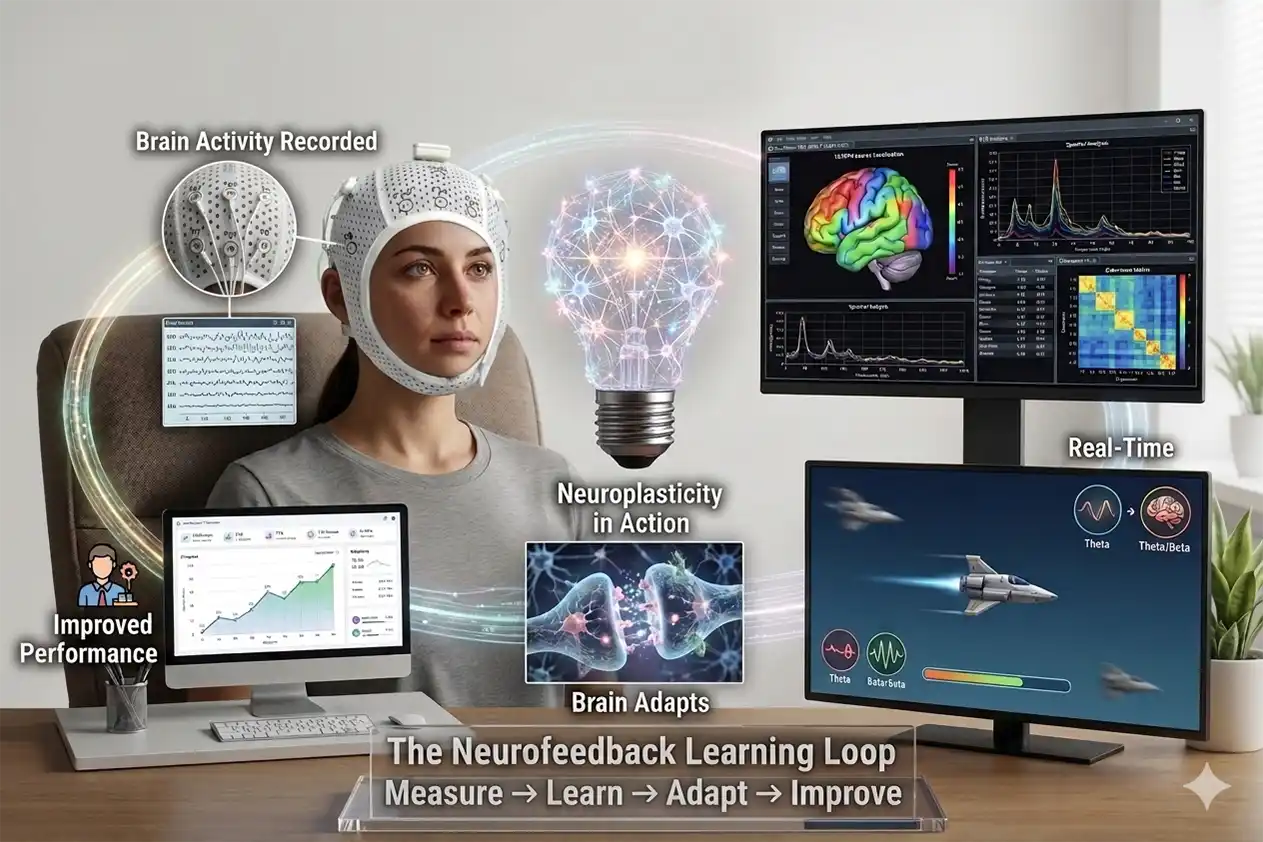
ADHD neurofeedback measures your brain’s electrical rhythms and rewards patterns linked to calm, sustained attention. An EEG sensor reads your brainwaves many times per second. When your brain shifts toward a focused state, the software gives you a reward signal: a game advances, a tone plays, or a video brightens.
Attention training usually centers on a few frequency bands. Many ADHD neurofeedback protocols aim to reduce excess slow theta activity, often measured in the 4 to 7 Hz range, while encouraging faster beta activity or sensorimotor rhythm around 12 to 15 Hz. The idea is that an overly “slow” cortical pattern is linked with distractibility, so nudging the balance can support steadier focus.
The brain learns this the same way it learns any skill: repetition and reward. When the trainee reaches the correct brainwave frequency, they experience success, which activates the brain’s reinforcement system and naturally increases dopamine secretion. Over time, this strengthens the neural pathways for attention. If you want a plain-language primer on the underlying mechanism before going deeper, our explainer on “What neurofeedback is and how brain training really works” covers the fundamentals.
Why ADHD Is Such a Common Target for Brain Training
ADHD is one of the most common childhood conditions, which is part of why ADHD neurofeedback draws so much interest. In 2024, an estimated 7 million US children aged 3 to 17, or 11.7 percent, had a current ADHD diagnosis, according to the CDC. Many of those families want options beyond medication alone.
That demand is reasonable. Stimulant medication helps many people, but some cannot tolerate it, some prefer to avoid it, and some want additional tools. ADHD neurofeedback appeals because it is non-invasive, drug-free, and skill-based. It offers a way to directly train the brain to self-regulate, giving individuals a sense of control over their own focus and behavior.
What the Evidence on ADHD Neurofeedback Actually Shows
The clinical reality of ADHD neurofeedback is highly encouraging. Decades of research and clinical practice have shown that it is a highly effective intervention for ADHD. Multiple studies and meta-analyses report significant improvements in inattention, hyperactivity, and impulsivity, with many individuals maintaining those gains months or even years after training ends.
Because neurofeedback treatment for ADHD directly addresses the brain’s electrical dysregulation (such as the theta/beta imbalance commonly seen in ADHD), it has earned its place as one of the most well-supported non-pharmacological treatments available.
Note: While some tightly controlled academic trials debate the exact size of the effect compared to a placebo, in real-world clinical settings, the results speak for themselves. The combination of neuroplasticity and dopamine reinforcement makes neurofeedback treatment for ADHD a uniquely powerful tool for long-term change.
The Most Effective ADHD Neurofeedback Protocols
To get the most out of neurofeedback treatment for ADHD, the training must target the specific brainwave imbalances associated with the condition. You shouldn’t just rely on a manufacturer’s generic “focus” setting. Clinical ADHD neurofeedback uses targeted protocols, which involve placing electrodes on specific sites on the scalp (measured by the 10-20 system) and training specific frequency bands.
Here are the three most common and effective protocols.
Theta/Beta Ratio Training (For Focus and Inattention)
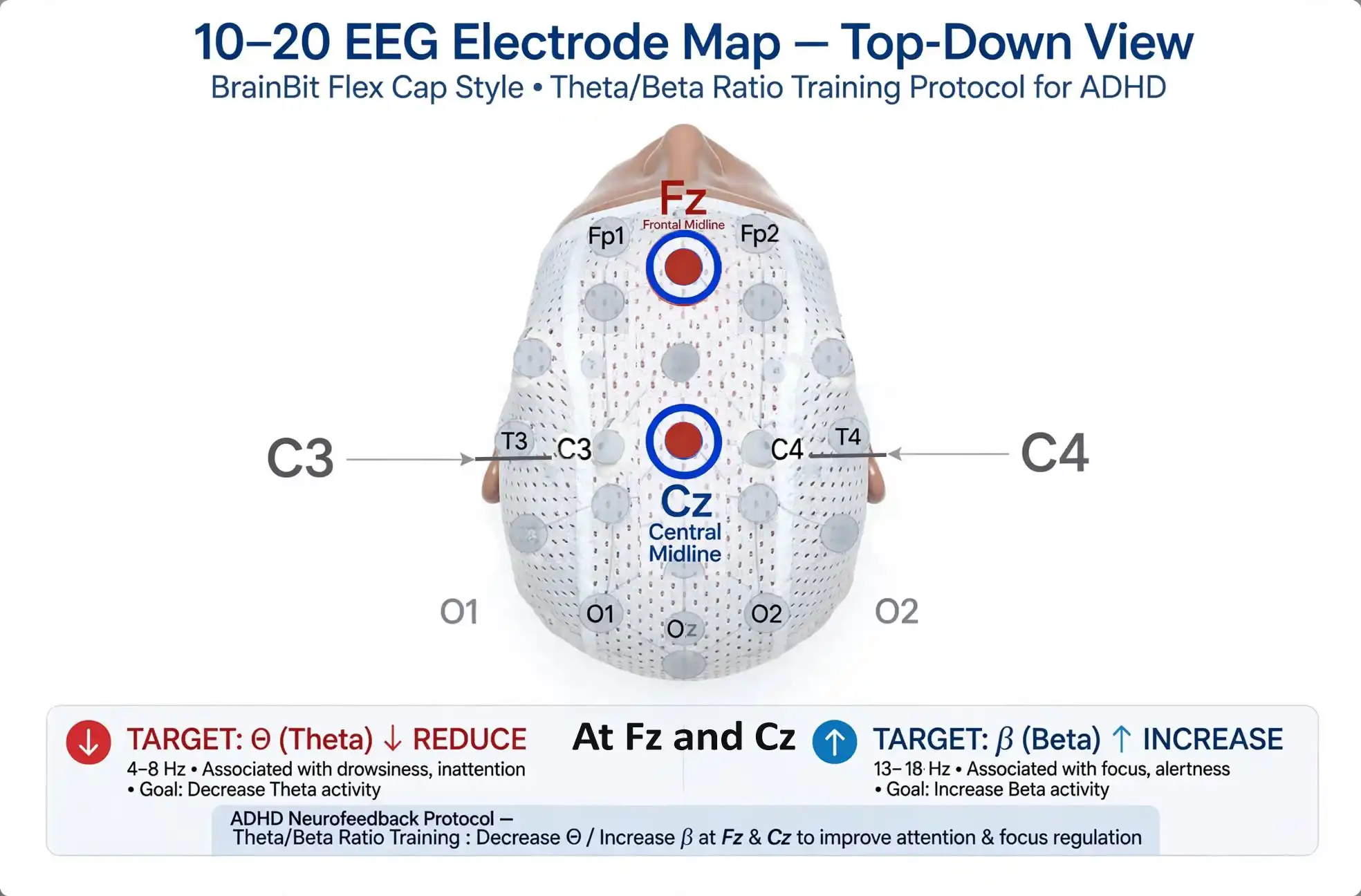
This is the most widely researched protocol for ADHD neurofeedback. The goal is to suppress slow, daydreaming brainwaves (Theta) while increasing fast, alert brainwaves (Beta).
- Target Frequencies: Decrease Theta (4–8 Hz) and increase Beta (15–20 Hz).
- Electrode Locations: Typically placed at Fz (Frontal Midline) and Cz (Central Midline). These areas support high-level functions such as attention, organization, and executive function.
- Best for: Predominantly inattentive ADHD (ADHD-PI).
SMR Training (For Hyperactivity and Impulsivity)
Sensorimotor Rhythm (SMR) training focuses on increasing a specific frequency band that promotes physical calmness and motor inhibition.
- Target Frequency: Increase SMR (12–15 Hz).
- Electrode Locations: Typically placed at C3 (Left Sensorimotor Cortex), C4 (Right Sensorimotor Cortex), or Cz (Central Midline).
- Best for: Hyperactive-impulsive ADHD (ADHD-HI) or combined type.
Alpha/Theta Training (For Relaxation and Stress)
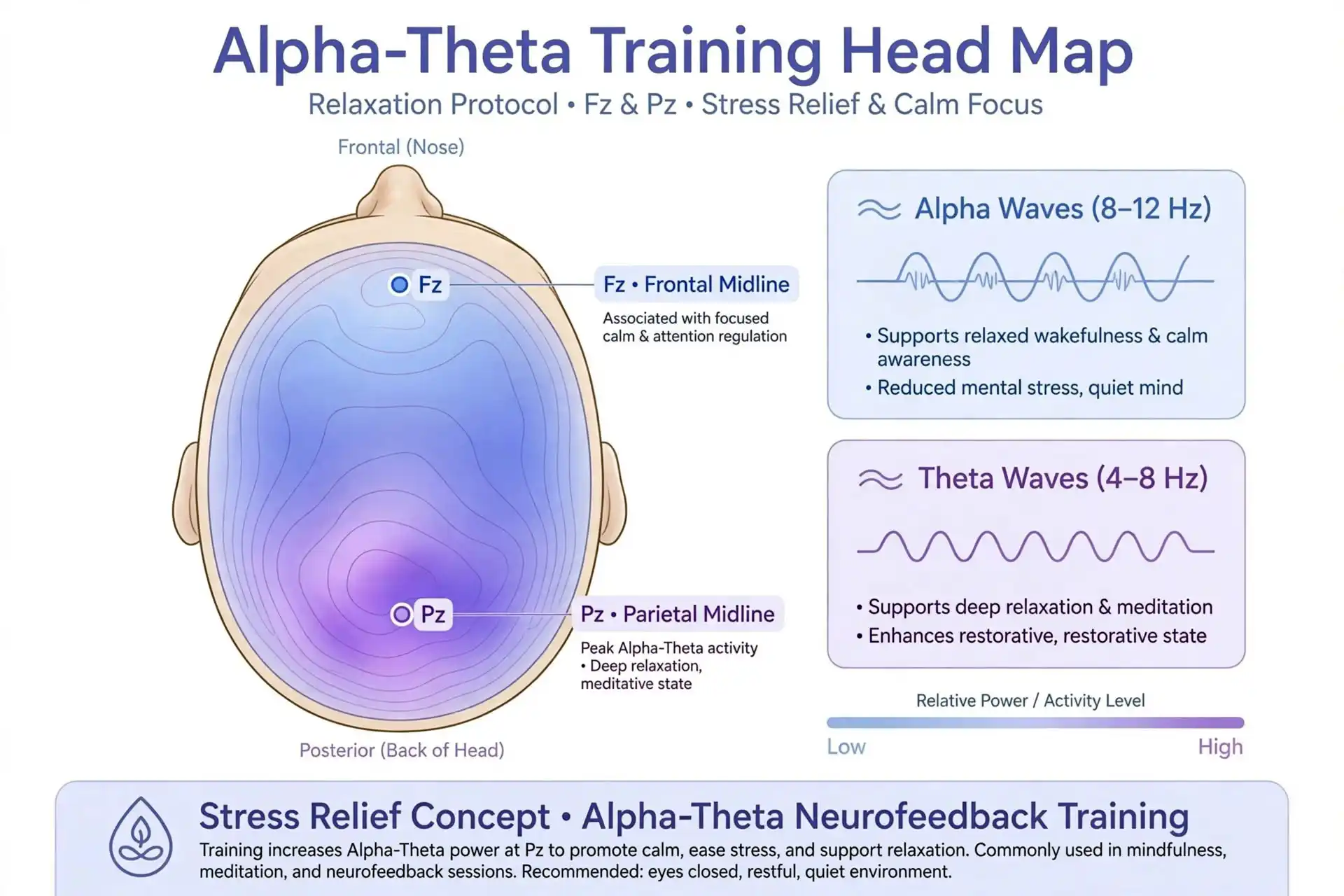
Many individuals with ADHD struggle with emotional regulation and stress, which exacerbates attention issues. This protocol trains the brain to enter a relaxed but alert state.
- Target Frequencies: Increase Alpha (8–12 Hz) and decrease Theta (4–8 Hz).
- Electrode Locations: Often placed at Fz or Pz (Parietal Midline).
- Best for: Reducing anxiety, improving sleep, and managing stress-related ADHD symptoms.
When choosing a home device, the deciding factor should be whether it can accurately target these specific sites and frequencies. Single-channel devices are often limited to one location, while multi-channel devices allow you to train different protocols as your needs change.
Setting Realistic Goals for Adults and Kids
Realistic goals are the difference between a useful tool and a frustrating one. Neurofeedback treatment for ADHD is a gradual process. While some notice improvements in the first few weeks, the most profound changes emerge as the brain reinforces these new pathways over time.
For adults, reasonable targets include longer stretches of focused work, fewer careless lapses, and a calmer baseline. Track something concrete, like minutes of uninterrupted work or number of task switches, so you can see small trends rather than relying on mood.
For children, keep expectations modest and the experience playful. Short sessions work better than long ones. Involve a clinician or teacher who can rate symptoms objectively, since parents living with daily behavior are not the most neutral judges. Coordinate training with school demands so the child isn’t overloaded.
In both cases, give the protocol its full run before deciding. Judging ADHD neurofeedback after five sessions is like judging a fitness plan after two workouts.
Home Devices for ADHD Neurofeedback Training
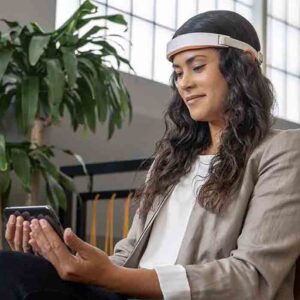
Home neurofeedback has grown because consumer EEG headsets now make at-home training practical and affordable. These systems pair a wearable sensor with an app that guides sessions, delivers feedback, and tracks progress, so you can train on your own schedule instead of booking clinic time.
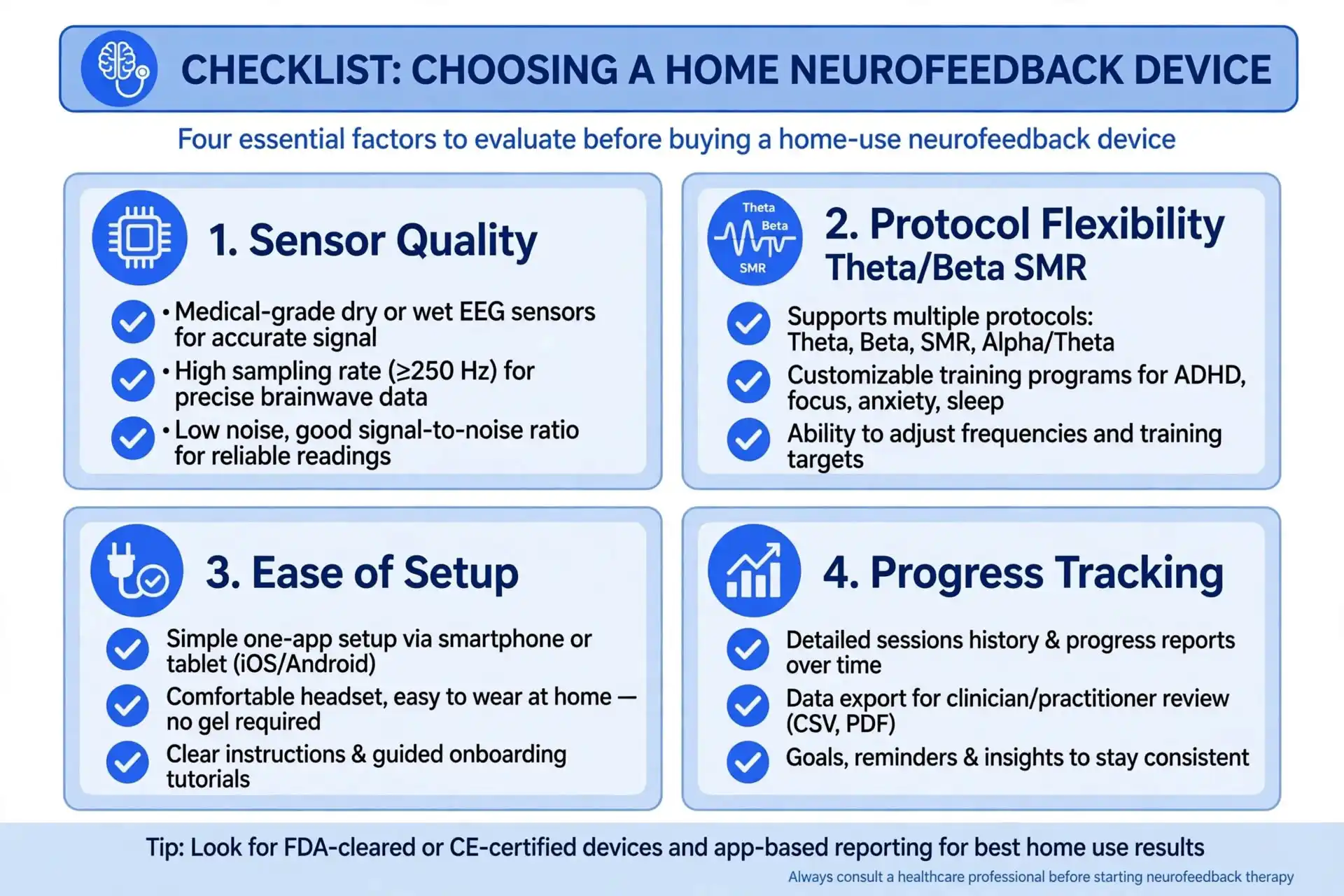
When comparing home options for neurofeedback treatment for ADHD, weigh a few factors based on the protocols we just discussed:
- Sensor Quality: How reliably does it read a clean signal without interference from hair or movement?
- Protocol Flexibility: Does it support the specific frequencies (Theta/Beta or SMR) and electrode sites (Fz, Cz, C3, C4) you need?
- Ease of Setup: A fussy headset kills consistency fast.
- Progress Tracking: Can you see trends over weeks to confirm the training is working?
This is where guided systems earn their place. We carefully research and recommend home-use biofeedback and neurofeedback devices that align with clinical protocols.
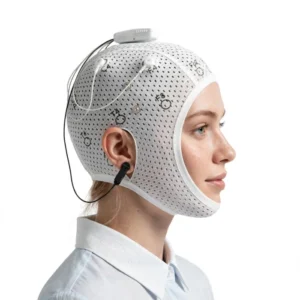
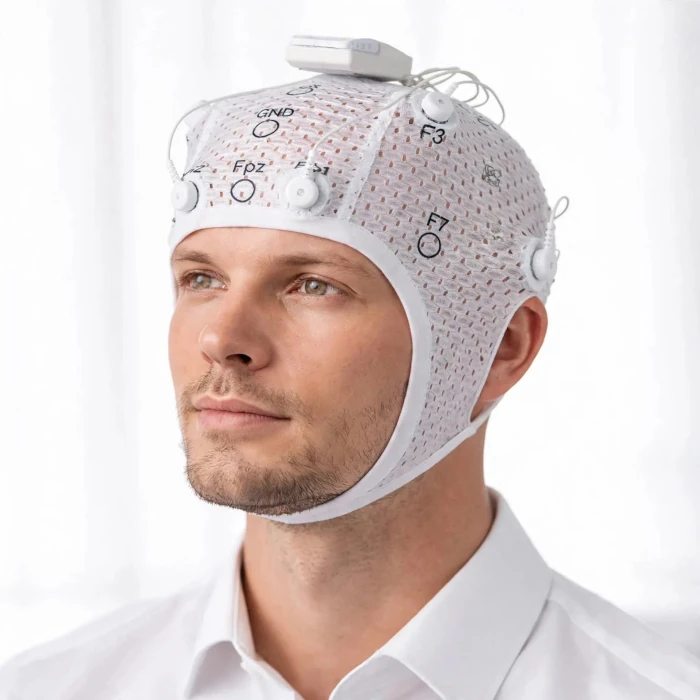
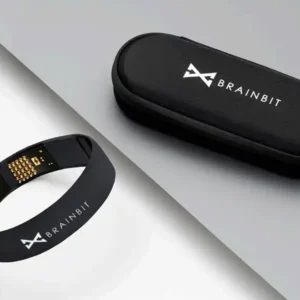
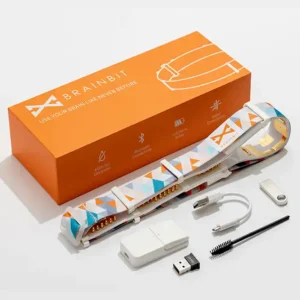
For example, if you are targeting focus and inattention (Theta/Beta training), a multi-channel headset like the BrainBit Flex 4/8 or Headband Pro allows for precise electrode placement at the frontal and central midlines (Fz/Cz). If the primary goal is reducing hyperactivity (SMR training), devices like BrainBit Mindo or Headband effectively target the central and sensorimotor regions.
If you are shopping specifically for a headset, our 2026 buyer’s guide to the best EEG headsets for home use compares current options in detail.
Best Home ADHD Neurofeedback Devices – BrainBit Series

Combining ADHD Neurofeedback With Other Strategies
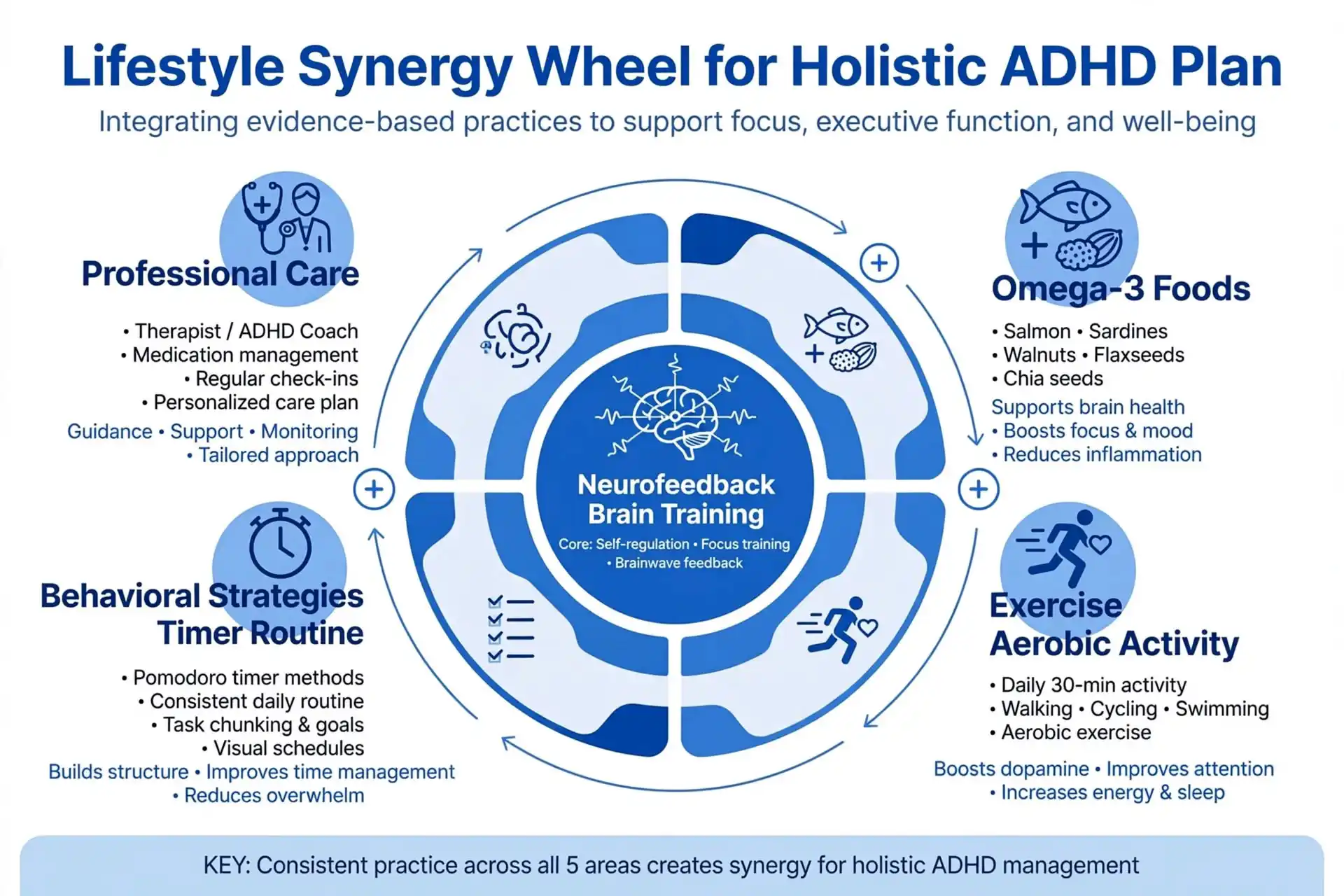
ADHD neurofeedback works best as the foundation of a comprehensive plan. Attention is shaped by sleep, movement, nutrition, environment, and habits. Training your brainwaves while supporting your body creates a synergistic effect, amplifying the results of the neurofeedback treatment for ADHD.
A few combinations tend to reinforce each other:
- Diet & Supplements: Omega-3 fatty acids, zinc, iron, and magnesium play direct roles in dopamine production and neurotransmitter balance. A balanced diet stabilizes blood sugar, preventing the spikes that worsen hyperactivity.
- Exercise: Regular aerobic activity naturally boosts dopamine and BDNF (brain-derived neurotrophic factor), which supports focus and pairs perfectly with self-regulation training.
- Behavioral strategies: Structure, routines, timers, and clear task breakdowns help ADHD brains regardless of neurofeedback.
- Professional care: Keep clinicians involved, especially when medication is part of the picture.
Done together, these create an environment where ADHD neurofeedback has the best chance to thrive. It is a skill-builder, and like any skill, it grows faster when the surrounding conditions support it.
Your next step is simple. Decide whether you want to train at home or start in a clinic, then pick one concrete attention metric to track from day one. Measuring progress from the first session is the single best way to tell, honestly, whether neurofeedback treatment for ADHD is working for you or your child.
Frequently asked questions
ADHD neurofeedback does not “cure” ADHD, but it is a highly effective training method that helps the brain strengthen its attention regulation. It addresses the underlying neurological patterns of ADHD, leading to lasting improvements that work best alongside behavioral support and, where prescribed, medication.
Most protocols for ADHD neurofeedback treatment run 30 to 40 sessions of 20 to 30 minutes each, scheduled two or three times a week. That usually spans two to four months. Home systems let you train more often, but consistency matters more than raw session count.
Yes, many home devices are designed for kids, but children benefit from adult supervision and realistic expectations. For a child, keep sessions short, make them playful, and coordinate with a clinician who can track symptoms over time.
They serve different purposes. Medication provides immediate symptom relief, while ADHD neurofeedback builds long-term self-regulation skills without side effects. Many families use both, or use neurofeedback treatment for ADHD as a drug-free option to build lasting focus.




Add a Comment