
Key takeaways
- A biofeedback device for home use turns an invisible body signal, such as heart rhythm or brain activity, into real-time feedback you can learn to control.
- Sensor type decides what you can train: HRV and EDA for stress, EEG for focus and relaxation, EMG and temperature for muscle and circulation work.
- Consumer devices suit daily stress and focus practice; clinical-grade systems make sense when a clinician is guiding treatment for a specific condition.
- Match the device to one clear goal first, then weigh app quality, sensor comfort, and whether you want guided programs or raw data.
- The home-use segment is the fastest-growing part of the biofeedback market, so expect more choice and faster app updates over the next few years.
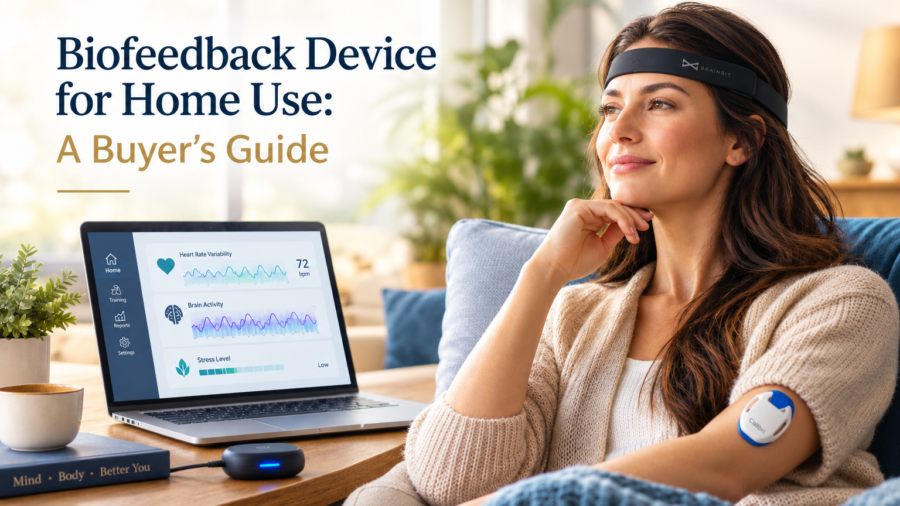
A good biofeedback device for home use measures one signal your body produces, such as heart rhythm, brain activity, or muscle tension, and shows it to you in real time so you can learn to shift it on purpose. The right choice comes down to three things: the sensor type, whether you need consumer or clinical-grade accuracy, and the single goal you most want to train. This guide walks through each decision so you can buy once and practice with confidence.
Interest in these tools is climbing alongside everyday health wearables. According to the Rock Health 2025 Consumer Adoption Survey, nearly 60% of U.S. adults now own at least one wearable or connected health device, with smartwatch or smart-ring ownership reaching 46% in 2025, up from just 13% a decade earlier. Biofeedback devices sit naturally in that same drawer of self-directed health tools.
What a biofeedback device for home use does and who benefits
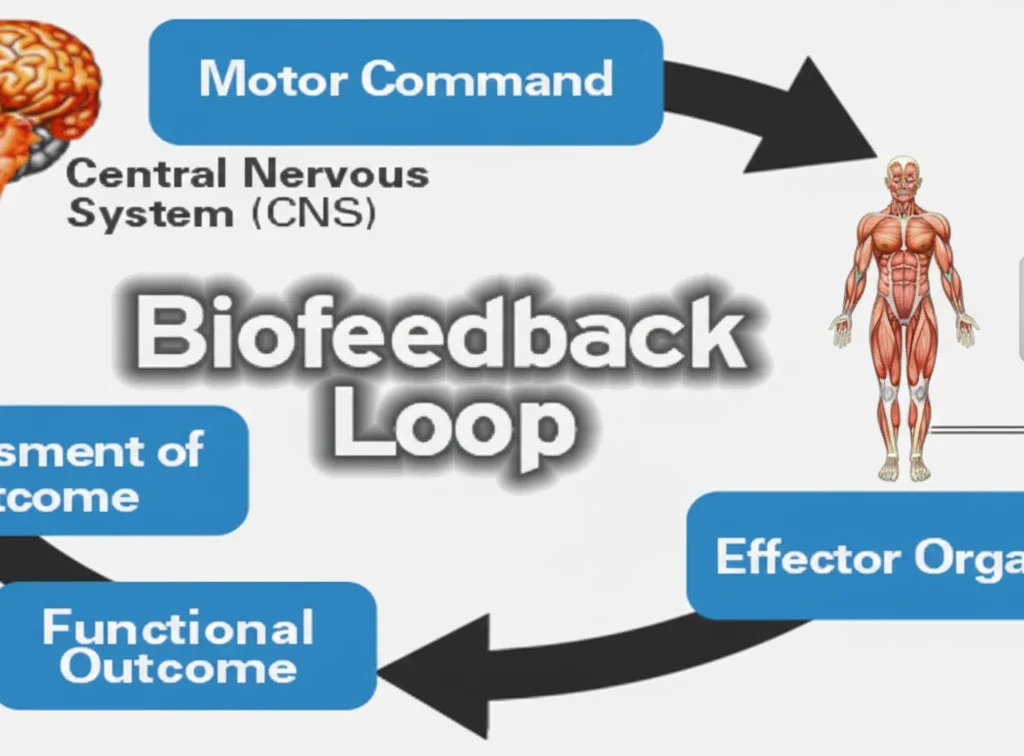
A biofeedback device for home use reads a body signal you cannot normally sense with precision, converts it into sound, light, or an on-screen graph, and lets you watch it change second by second. That feedback loop is the whole point. As Cleveland Clinic describes it, biofeedback teaches you to change the way your body functions, and clinicians apply it to concerns such as anxiety, chronic pain, migraines, and high blood pressure. When you can see your heart rhythm smooth out as you slow your breathing, you learn the internal state that produced it, and you can reproduce it later without the device.
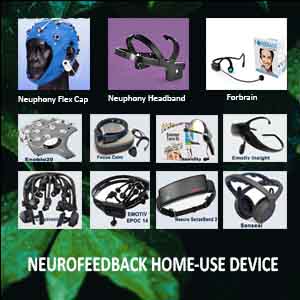
Neurofeedback is the brain-focused branch of this family. It uses EEG sensors to track brainwave activity, then rewards calmer or more focused patterns through games, tones, or visual cues. Biofeedback Neurofeedback Therapy builds its home-use catalog around exactly this split, pairing devices for heart and body signals with neurofeedback headsets for brain training, so a first-time buyer can start with one goal rather than guessing across a dozen product categories.
The people who benefit most tend to fall into three groups:
- Those managing everyday stress, tension, or sleep difficulty who want a drug-free practice they control.
- Performers, students, and professionals chasing sharper focus and faster recovery from mental fatigue.
- People working through a specific issue, often muscle tension, chronic pain, or anxiety, frequently alongside a therapist or clinician.
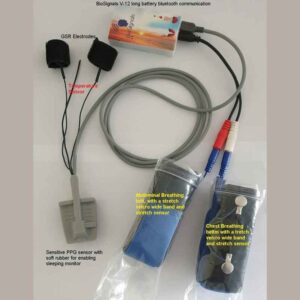
Key sensor types to look for: EEG, EMG, HRV, EDA, temperature
The sensor is the single most important specification because it decides what you can actually train. A device is only as useful as the signal it reads well. Five sensor types cover almost every home-use product on the market.
EEG (brainwaves)
EEG sensors sit against the scalp and measure the brain’s electrical activity. They power neurofeedback for attention, relaxation, and meditation depth. Brainwave devices are the largest slice of the category: the brainwaves segment held 31.6% of the global biofeedback instrument market in 2025, the biggest share of any sensor type.
HRV (heart rate variability)
HRV sensors track the tiny timing differences between heartbeats, a reliable window into your stress and recovery balance. HRV biofeedback, usually paired with slow-paced breathing, is one of the best-studied home techniques for calming the nervous system.
EMG (muscle tension)
EMG sensors read electrical activity in muscles. They are a classic tool for releasing jaw, neck, and shoulder tension, for pelvic-floor training, and for physical rehabilitation when you need to see a muscle relax or activate.

EDA (skin conductance)
EDA, also called galvanic skin response, measures how your skin’s electrical conductance shifts with sweat-gland activity. Because that activity tracks emotional arousal closely, EDA is excellent for stress and anxiety work and for noticing tension before you consciously feel it.
Temperature
Skin-temperature sensors detect the slight warming of hands and fingers as blood vessels relax. Peripheral warming is a simple, low-cost signal often used for relaxation and for managing tension headaches and migraines.
Clinical-grade vs. consumer devices and when each makes sense
Home biofeedback devices fall on a spectrum from simple consumer gadgets to clinical-grade instruments, and the gap between them is real. Consumer devices prioritize comfort, app guidance, and price. Clinical-grade systems prioritize signal accuracy, more sensor channels, and data you or a clinician can analyze in depth.
Consumer devices make sense when your goal is daily stress reduction, meditation, or focus practice. They are quick to set up, forgiving about placement, and designed for solo use. For most first-time buyers, this is the right place to start.
Clinical-grade systems make sense when accuracy drives the outcome: a therapist guiding treatment for a diagnosed condition, rehabilitation after injury, or a protocol that needs precise, repeatable readings. They cost more, demand careful sensor placement, and often assume some training or professional oversight.
One honest caveat belongs in any buyer’s guide. Evidence quality varies by use. Stress and relaxation training with HRV and skin-response feedback is well supported, while claims that home neurofeedback treats specific clinical conditions on its own are weaker and more debated in the research. If you are targeting a medical condition, treat the device as one part of a plan a professional helps you build, and keep expectations grounded.
How to match a device to your goal: stress, focus, or therapy
The fastest way to narrow the field is to pick one primary goal and let it point you to a sensor. Trying to buy a single device that does everything usually leads to a tool that does nothing well.
- Stress and relaxation: choose HRV or EDA. Paced-breathing HRV trainers give immediate, satisfying feedback, and skin-conductance biofeedback devices for home use catch rising tension early.
- Focus, calm, and meditation depth: choose EEG neurofeedback. Brainwave feedback is built for attention training and deepening a meditation practice.
- Muscle tension, pain, and rehabilitation: choose EMG, sometimes paired with temperature. These target the physical signals behind tension headaches, bruxism, and recovery work.
- Mixed or exploratory goals: look at multi-sensor platforms, but accept that each individual sensor may be less specialized than a dedicated device.
We organize our biofeedback device range for home use along these same goal lines, which makes it easier to start with the outcome you want rather than a spec sheet. Decide the goal first, then shortlist devices that read the matching signal well.
Setup, ease of use, and app ecosystem considerations
For a home device you will use alone, setup and software matter as much as the sensor. The best hardware fails if the app is confusing or the sensor is fiddly to place correctly every session. Before you buy, look closely at the full experience, not just the headline feature.
A few practical checks:
- Sensor comfort and placement: dry EEG sensors and chest or finger HRV sensors are far easier to self-apply than gel electrodes.
- App guidance: strong apps include guided sessions, progress tracking, and clear explanations, not just a raw live graph.
- Data access: decide whether you want simple guided programs or exportable raw data you can review over time.
- Platform and connectivity: confirm the app supports your phone or tablet and that Bluetooth pairing is stable.
- Ongoing cost: check whether core features are free or sit behind a subscription, since that changes the real price.
Ease of use is what turns a device into a daily habit. A tool you actually reach for every morning beats a more accurate one that stays in the box.
Our top home-use picks and what sets them apart
Rather than rank by brand, rank by the goal you are buying for, because the best device is the one matched to your signal. These are the home-use categories worth shortlisting, with what distinguishes a strong pick in each.
- Best for stress and breathing: a dedicated HRV trainer with real-time paced-breathing feedback. Look for a comfortable sensor, a clear breathing pacer, and sessions short enough to do daily.
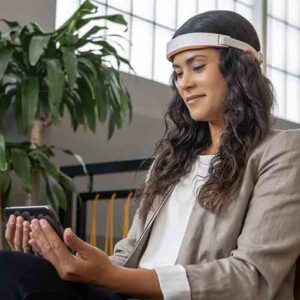
- Best for focus and meditation: an EEG neurofeedback headset with dry sensors and a guided app. Comfort and quick setup matter more than extra channels for home practice.
- Best for muscle tension and rehab: an EMG device with responsive feedback and, ideally, placement guidance built into the app.
- Best all-rounder: a multi-sensor platform that combines HRV with EDA or temperature, for people who want to explore more than one signal.
We fit here as a single source that spans these categories, covering heart, body, and brain-training devices aimed specifically at home users seeking a drug-free, self-directed practice. For a first purchase, that breadth lets you start with one goal and expand later without switching ecosystems.
The momentum behind these tools is worth noting as you buy. The same market research that tracks the brainwaves segment also finds the home-use segment growing faster than any other application. More competition means better apps, more comfortable sensors, and faster updates, which rewards buyers who choose a device with an active ecosystem rather than a dead-end gadget.
Your concrete next step: write down the one goal you most want to train, stress, focus, or a specific physical issue, then shortlist only the devices whose sensor matches it. Buy that one, practice it daily for a few weeks, and let real results guide whether you ever need a second sensor.



Frequently asked questions
For stress and relaxation training, HRV and skin-response biofeedback have solid research support. Results depend on consistent practice, and evidence is stronger for some uses, such as stress reduction, than for others, such as treating specific clinical conditions without supervision.
Neurofeedback is a type of biofeedback that specifically uses brain activity measured by EEG sensors. General biofeedback can track many signals, including heart rate variability, muscle tension, skin conductance, and skin temperature.
Most consumer biofeedback and neurofeedback devices for stress and focus are sold directly to the public without a prescription. Clinical-grade systems intended to treat a diagnosed condition are often supervised by a trained clinician.
Consumer HRV and EEG biofeedback devices for home use typically cost far less than clinical systems. Start with a single-goal consumer device before investing in a multi-sensor or clinical-grade platform, especially if this is your first one.

Add a Comment